A lot of people think eye problems always come with some pretty clear warning signs. Eye issues can catch you off guard super quick. You might not realise something’s off until it’s way too late. The condition of glaucoma can cause you to lose your vision without you being aware of it, as it affects the optic nerve and eventually can lead to total loss of sight if not treated. It is a disease that develops slowly over time, and so glaucoma treatment Varanasi from top eye hospital encourages that a person conducts regular eye exams where an eye doctor will be able to monitor the condition before it worsens and their eyesight is permanently lost. More people are realising this and are keeping to a regular pattern of having their eyes examined every 1 to 2 years.
What Is the Importance of Early Glaucoma Detection?
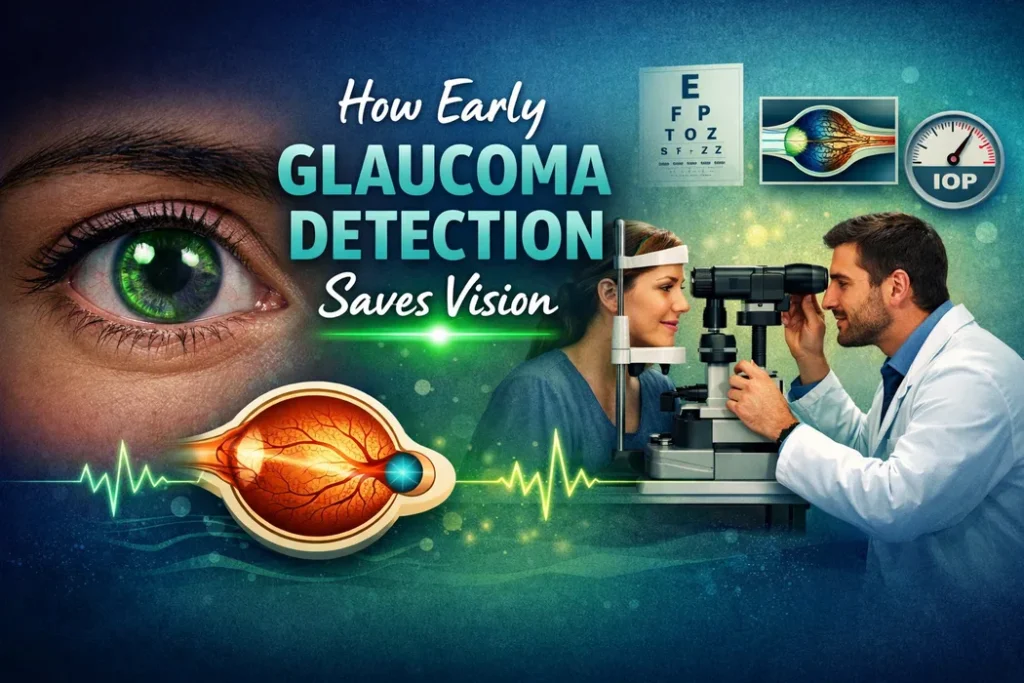
Early glaucoma detection helps prevent permanent vision loss by identifying optic nerve damage before noticeable symptoms appear. Since glaucoma often develops silently, regular eye examinations can detect changes in eye pressure, optic nerve health, and visual fields early, allowing timely treatment and long-term vision preservation.
1. Why Glaucoma Often Goes Unnoticed for Years: It is difficult to detect because it does not change your central vision at all. You will be able to read and accomplish daily activities without difficulty. As time goes on you will start to lose peripheral vision. Your brain will adapt to the changes as they are very gradual; you will eventually not see the changes because you have adapted to them so well. Most people find out they have glaucoma through a complete eye exam, not because they have found anything wrong with their vision.
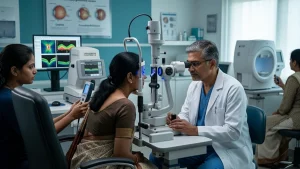
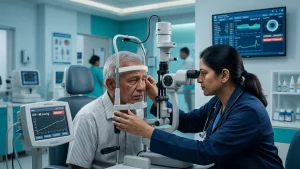
2. The First Signs Are Usually Found During an Eye Examination: Glaucoma is different from many other health conditions, as it doesn’t usually create the same level of pain. In an eye examination, doctors will measure your intraocular pressure, check your optic nerve and assess your vision. This allows the eye specialist to detect very small changes early on, generally before they affect the patient’s daily activities. Early detection of glaucoma helps to monitor the patient and treat it before any damage occurs.
3. Saving Vision Before Daily Life Is Affected: Finding glaucoma early is great since it helps you keep your sight strong. That means no troubles with everyday tasks like reading, moving around in crowded places, or doing activities you love. When eye doctors spot it soon, they can begin treatments while your eyes are still pretty good. As a result, you stay independent and enjoy both work and fun things for longer.
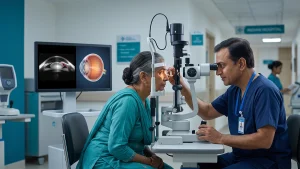
4. The Role of Modern Technology in Finding Glaucoma Early: Modern eye technology lets an eye surgeon notice glaucoma quite well now. Advanced imaging gives a detailed look at the optic nerve and what’s around it. Tests check how you see in different areas, and pressure checks tell doctors more about your eye health too. These tools help them find stuff that could be wrong but isn’t obvious in regular vision checks. So, early diagnosis gets a lot more accurate and helpful because of this.
5. Monitoring Helps Preserve Vision: The early detection of glaucoma is just the beginning of your continuing eye care with your physician. Your physician’s monthly follow-up appointments will give him or her a chance to see if your condition has changed and modify your treatment accordingly if needed. This will also allow you to recognise any future progression of your condition early enough to treat it promptly. A history of your progression will enable both you and the physician to gain a better understanding of how glaucoma generally progresses in people, which in turn allows for more individualised care in preserving your vision through the years.
6. Why Awareness Is One of the Strongest Tools Against Glaucoma: Many individuals schedule eye examination only when there are noticeable changes in vision. However, the approach to glaucoma is to build awareness of the condition. The more awareness, the more public understanding of glaucoma will lead to greater demand for preventive care rather than waiting for problems to develop. Through promoting routine examinations amongst family members, coworkers, and community members, we create a larger demand for regular vision examinations. Since glaucoma is often asymptomatic in the early stages, increasing awareness will also increase the likelihood that people will seek early, necessary, and protective evaluation of their vision.
Benefits of Regular Eye Checkups for Seniors in Varanasi
| Benefit of Regular Eye Checkups | How It Helps Seniors |
|---|---|
| Early Detection of Vision Changes | Identifies issues before they worsen |
| Better Reading Comfort | Ensures accurate vision correction |
| Easier Daily Activities | Supports cooking, cleaning, and medication management |
| Improved Family Interaction | Helps recognize faces and enjoy special moments |
| Supports Active Living | Increases confidence during travel and social activities |
| Ongoing Eye Health Monitoring | Tracks age-related vision changes over time |
In conclusion, glaucoma typically doesn’t show big warning signs at first, making early detection super important for safeguarding eyesight. Simple tests can uncover key info way before any noticeable vision loss. Getting diagnosed early, staying monitored, and getting care on time all help keep your vision sharp and let you stay active. When talking with eye specialist Varanasi in top hospitals like ASG Eye Hospital, they always emphasize the need for regular eye health checks. Making ongoing eye care choices lets you keep good vision for longer and actually enjoy it more.
FAQs
1. What is glaucoma?
Glaucoma is an eye disease that damages the optic nerve, often due to increased eye pressure. If left untreated, it can lead to permanent vision loss.
2. Can glaucoma develop without symptoms?
Yes. In its early stages, glaucoma usually causes no pain or noticeable vision changes, making regular eye examinations essential.
3. How is glaucoma detected?
Eye specialists detect glaucoma through comprehensive eye exams that may include eye pressure measurement, optic nerve evaluation, visual field testing, and advanced imaging scans.
4. Who is at higher risk of glaucoma?
People over 40, individuals with a family history of glaucoma, diabetes patients, and those with high eye pressure are at greater risk.
5. How often should I get screened for glaucoma?
Most adults should have a comprehensive eye examination every 1–2 years, while high-risk individuals may require more frequent screenings.
6. Can vision loss from glaucoma be reversed?
No. Vision loss caused by glaucoma is usually permanent. However, early diagnosis and treatment can prevent further damage.
7. What treatments are available for glaucoma?
Treatment options include prescription eye drops, laser procedures, and surgery, depending on the severity of the condition.
8. Why are regular eye check-ups important for glaucoma?
Regular eye examinations help detect glaucoma before symptoms appear, enabling timely treatment and protecting long-term vision.