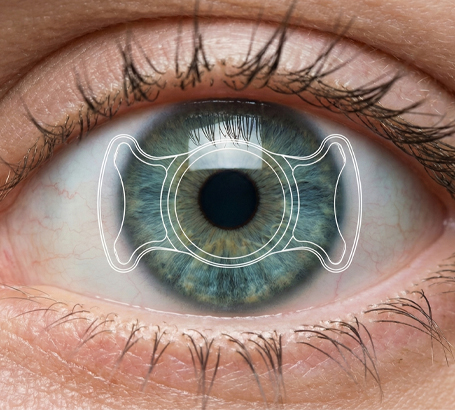
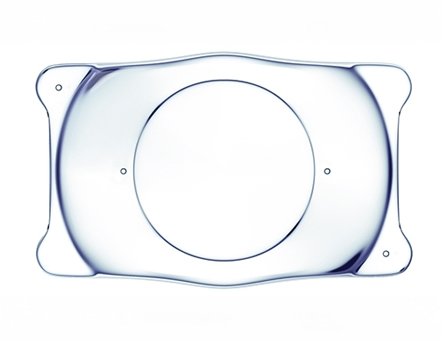
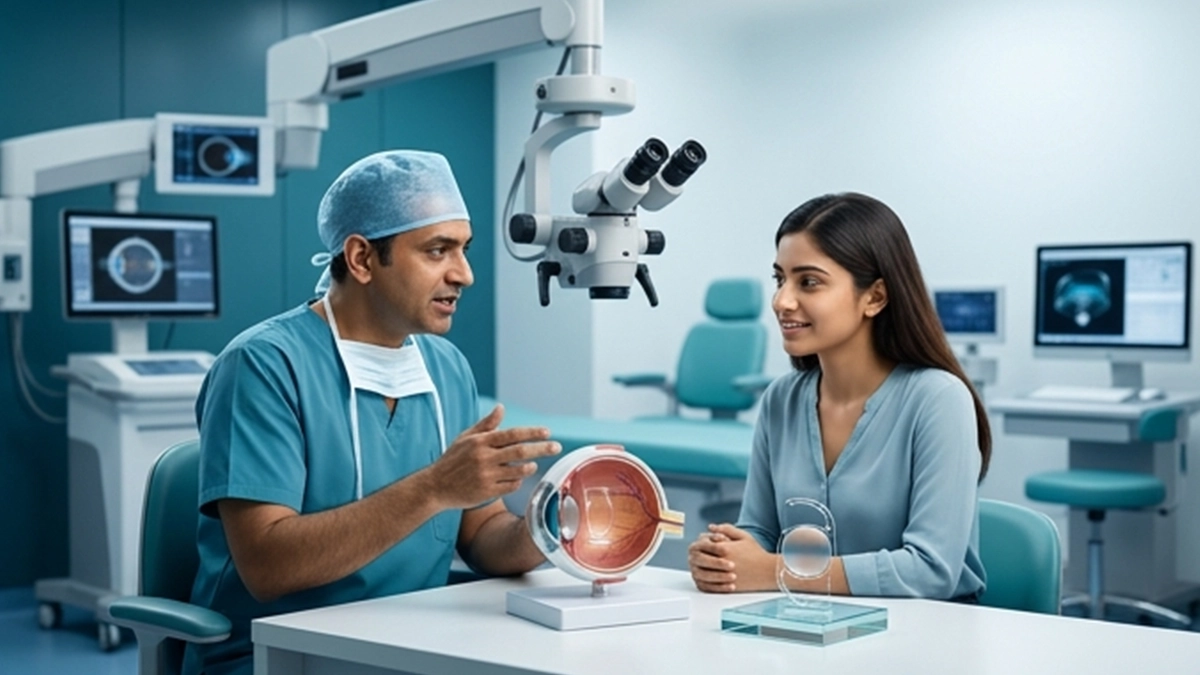
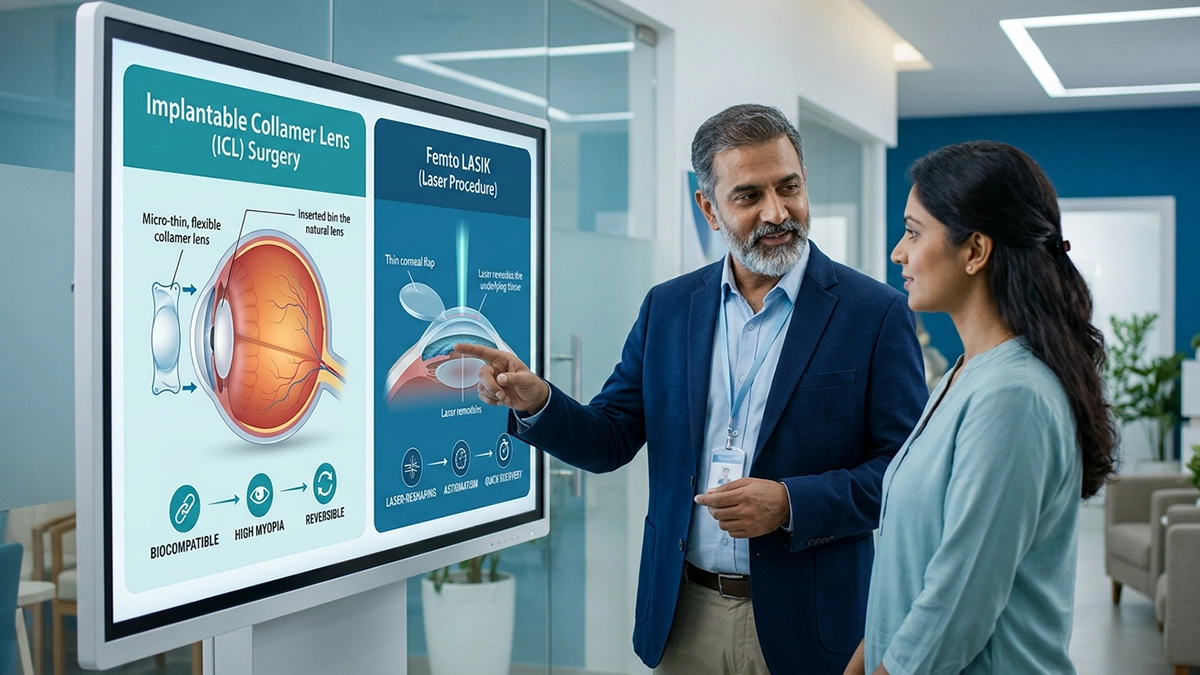
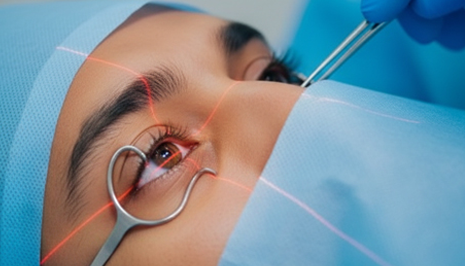
ICL (Implantable Collamer Lens) surgery is an advanced vision correction procedure in which a thin, biocompatible lens is placed inside the eye to correct moderate to severe myopia (short-sightedness), hyperopia (long-sightedness), and astigmatism.
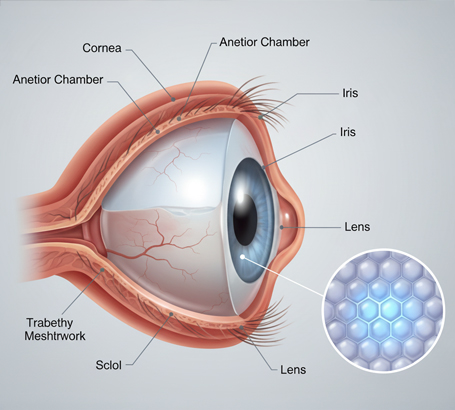
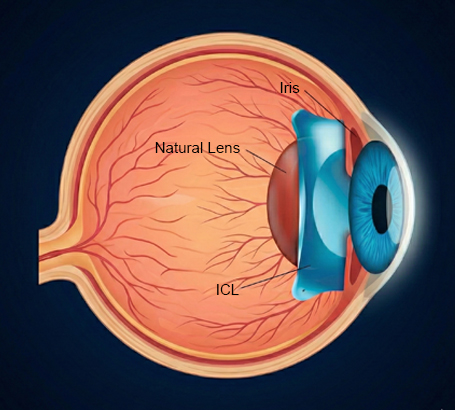
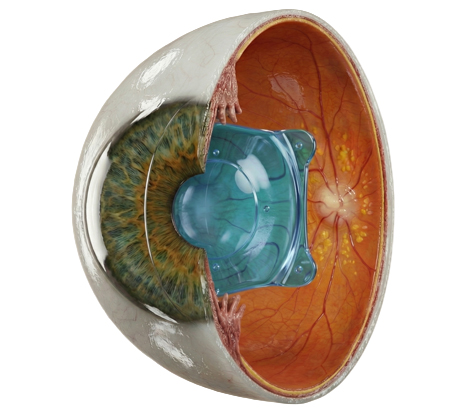
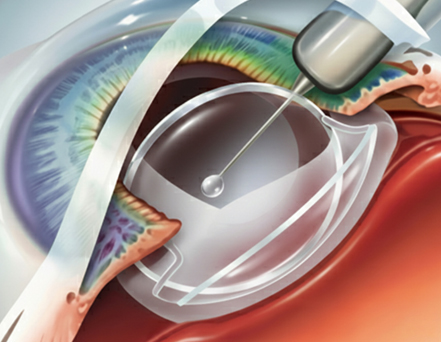
Unlike laser procedures such as LASIK or PRK, ICL does not remove corneal tissue. The lens is positioned behind the iris (the coloured part of the eye) and in front of your natural lens. Your natural lens remains in place.
ICL can be an excellent option for patients who are not suitable for corneal laser surgery, particularly those with thin corneas or very high prescriptions.
Are 21 years or older
Have healthy eyes with no active infection or uncontrolled eye disease
Have moderate to severe myopia, hyperopia, or astigmatism
Have adequate anterior chamber depth and healthy endothelial cell count (assessed during screening)
Have appropriate pupil size to reduce risk of glare or halos in low light
Understand the expected outcomes and limitations of the procedure
Have had a stable prescription for at least one year
Excellent visual outcomes for moderate to high prescriptions
Made of Collamer® (a collagen-based biocompatible material) that is well tolerated within the eye
Reversible — the lens can be removed or exchanged if needed
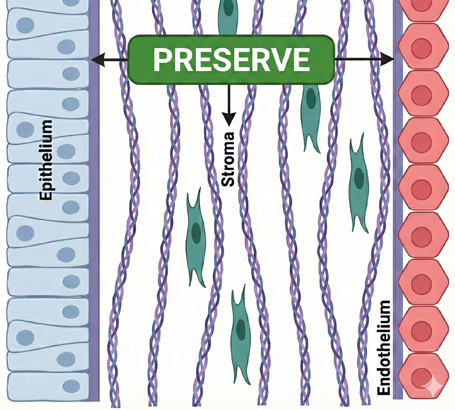
Preserves corneal tissue (ideal for thin corneas or patients unsuitable for LASIK/PRK)
Fast recovery with minimal discomfort
Wide power range allowing precise prescription correction
Often provides sharper night vision compared to glasses or contact lenses
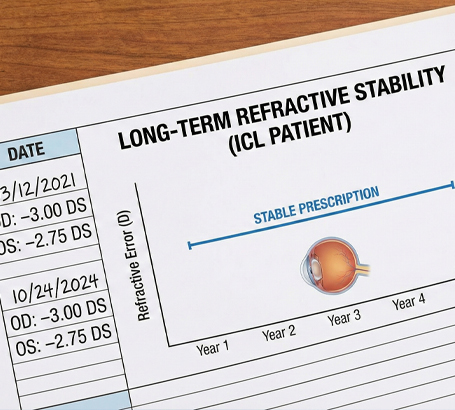
Long-term refractive stability
Suitable for active lifestyles, including sports and swimming
Maintains natural corneal shape
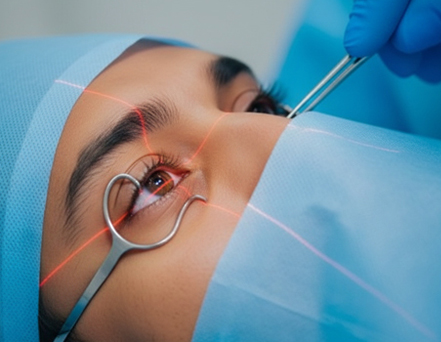
Pre-operative Assessment: Detailed measurements are taken to determine the correct lens size and power.
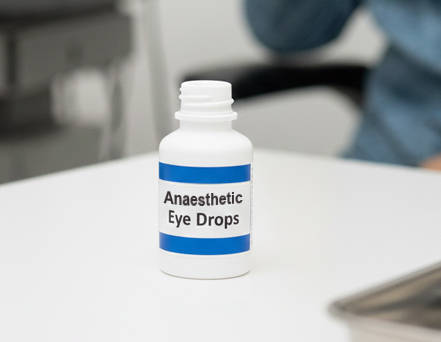
Anaesthesia: Numbing eye drops are applied. The procedure is painless.
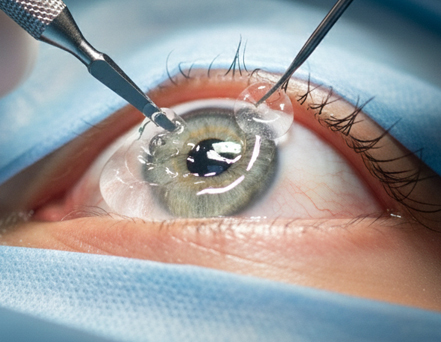
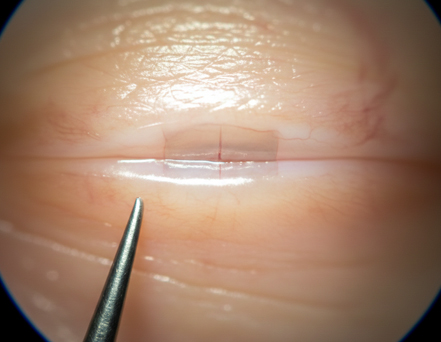
Small corneal incision made; lubricant protects the cornea.
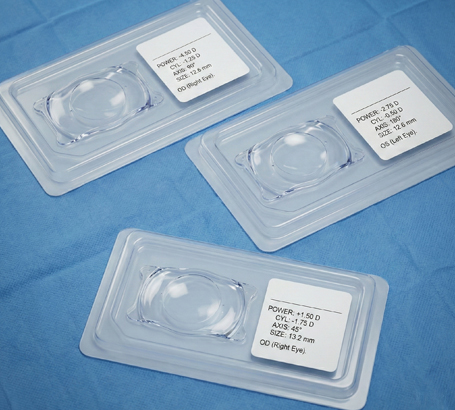
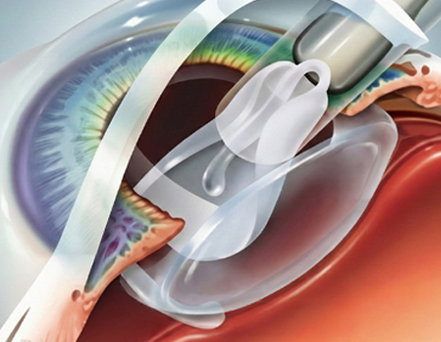
Lens Insertion: A tiny incision (approximately 2.8–3.0 mm) is made at the edge of the cornea. The folded ICL is gently inserted through a specialised injector cartridge.
Positioning: The lens unfolds and is carefully positioned behind the iris and in front of the natural lens. Proper alignment and vault (space between lenses) are confirmed.
Self-Sealing Incision: The small incision typically seals on its own without stitches.
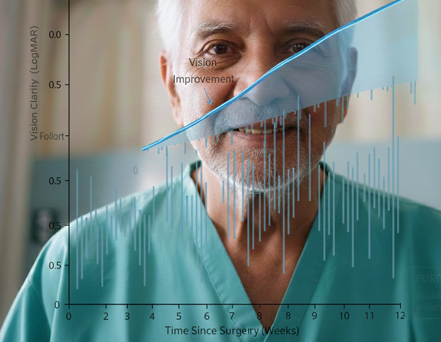
Early vision improves within days; full stabilisation may take a few weeks.
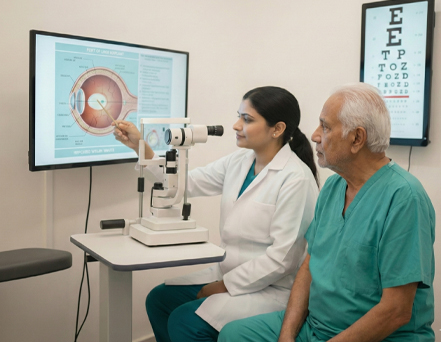
Follow-up visits scheduled to monitor healing and visual outcomes.
The procedure usually takes 15–20 minutes per eye and is performed as a day-case surgery.
Most patients notice improved vision within a few days, although complete visual stabilisation may take several weeks.
At ASG, we combine experienced refractive surgeons with advanced diagnostic imaging and precise surgical techniques to ensure optimal lens sizing and placement.
Our structured pre-operative evaluation and dedicated follow-up protocol prioritise:
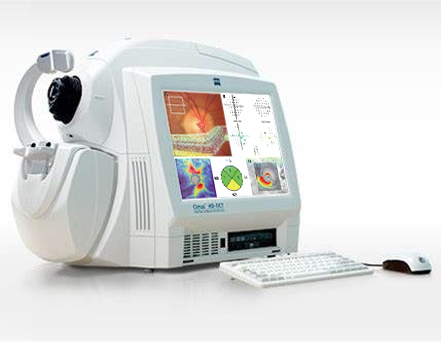
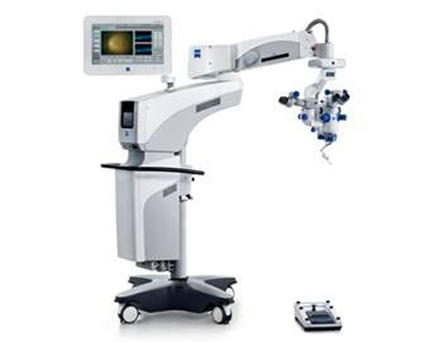
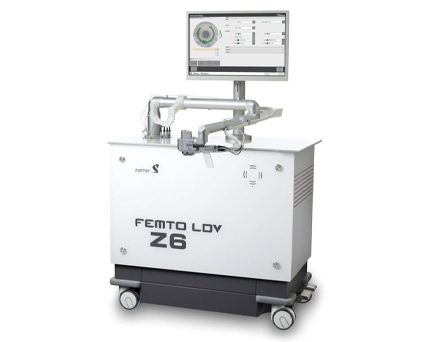
We use state-of-the-art diagnostic and surgical equipment, including:
For accurate sizing and vault prediction.
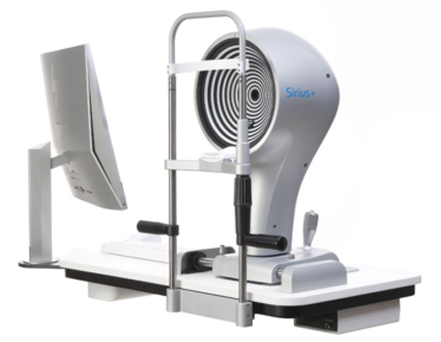
To assess corneal health and rule out contraindications such as keratoconus.
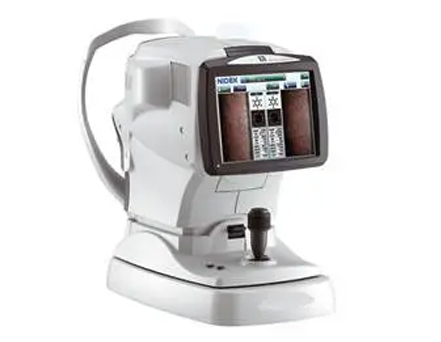
To evaluate endothelial cell count before and after surgery.
For precise placement and optimal visual outcomes.
Structured long-term monitoring with targeted imaging to ensure sustained safety and lens stability.
Performed in selected cases to optimise fluid flow and reduce intraocular pressure risk. (Note: Modern EVO ICL models typically do not require routine iridotomy.)
Mild discomfort or light sensitivity is normal. Vision may be slightly blurred initially….
Read More
Most patients notice significant visual improvement within a few days.
Read Less
Scheduled visits allow us to monitor:Lens position. Vault (clearance from natural lens). Eye…
Read More
Long-term monitoring ensures continued safety and stable visual outcomes.
Read Less
Please wait...
ASG is growing its network with 200 Vision Centres, delivering affordable eye care to over 4 million people.
Or
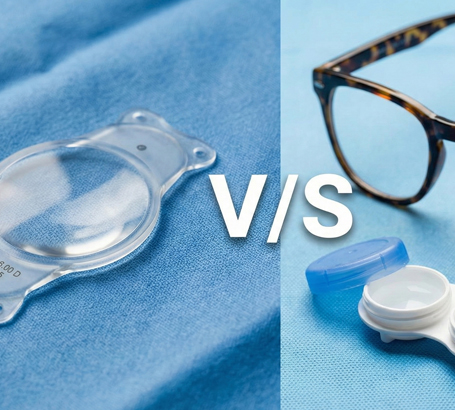
ICL (Implantable Collamer Lens) surgery is a premium vision-correction procedure where a tiny, biocompatible lens is permanently implanted inside the eye. Unlike a contact lens that sits on the surface, the ICL is placed between the iris and your natural lens to provide sharp, high-definition vision.
LASIK and SMILE are “subtractive” procedures that reshape the cornea by removing tissue. ICL is an “additive” procedure—it does not change the shape or thickness of your cornea. This makes it the ideal choice for patients who are not candidates for LASIK due to thin corneas or high refractive errors.
You may be a perfect candidate for ICL if:
You are between 18 and 45 years old.
You have a high power (Myopia up to -18D or Astigmatism up to 6D).
You have been told your cornea is too thin or irregular for LASIK.
You have chronic dry eyes (ICL does not worsen dry eye symptoms).
The procedure is quick and performed as a day-care surgery. Our surgeons make a microscopic incision (no stitches required) and gently insert the foldable Collamer lens. The entire process takes about 15–20 minutes per eye, and the results are almost immediate.
No. We use specialized numbing eye drops so you will not feel any pain during the procedure. You may feel a slight sensation of pressure for a few seconds, but most patients at ASG find the experience very comfortable.
Most patients experience a “Wow!” moment with significantly clearer vision the very next day. You can typically return to your routine activities, such as working on a laptop or watching TV, within 48 hours. Full stabilization occurs within a week.
One of the biggest advantages of ICL is that it is reversible. Unlike LASIK, which permanently changes the eye, the ICL lens can be safely removed or replaced by a surgeon if your prescription changes significantly or if you develop cataracts later in life.
Yes. The EVO ICL used at ASG is US-FDA approved and has been implanted in millions of eyes worldwide. It is made of “Collamer,” a biocompatible material that contains a UV filter to protect your eyes from harmful sun rays and does not cause an immune reaction.
No. The ICL is placed behind the iris (the colored part of your eye), making it completely invisible to you and others. Only an eye specialist using a microscope will be able to see that you have had the procedure.
ICL requires a very high level of surgical precision. At ASG, we use advanced Pentacam and Ultrasound Biomicroscopy (UBM) to take exact measurements of your eye’s internal space. This ensures the lens is sized perfectly for your eye, providing the highest level of safety and visual quality.
What do you understand by Cataract? A cataract is an eye condition characterized by the clouding of the natural lens in the eye, leading to vision
What Do You Understand by Diabetic Retinopathy? Diabetic retinopathy is an eye condition, it is caused by diabetes
Cornea and Associated Diseases The cornea is the transparent front part of the eye that covers the iris, pupil, and anterior parts of an eye.
Glaucoma: A Silent Thief of Sight Glaucoma is an eye condition that directly damages the optic nerve (the bundle of nerve fibers that carries..
What is Neuro-Ophthalmology? Neuro ophthalmology is a combination of super specialty of both neurology and ..
Job Title: Consultant Ophthalmologist
Location: Jaipur, Rajasthan
Job Category: Technical/ IT Support
Work Employment: Full time
What you work:
Mandatory skills:
Preferred Qualifications:
This will close in 0 seconds