Types of Cataract Surgery
ASG Eye Hospital offers advanced cataract eye surgery options based on each patient’s eye condition.
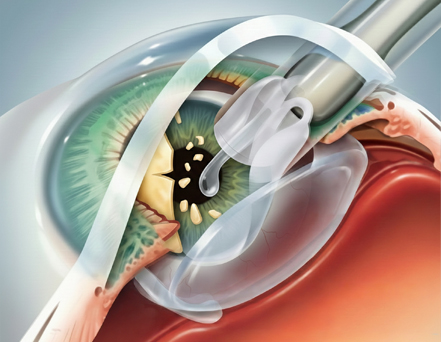
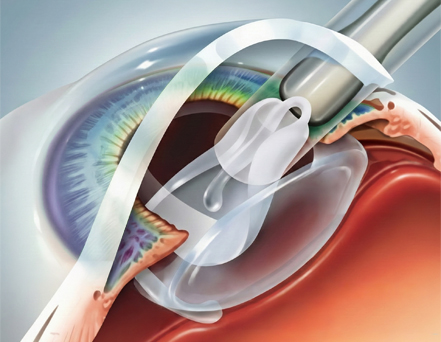
Phacoemulsification (Phaco Surgery)
- Small incision
- Stitch-free procedure
- Quick recovery
- Minimal discomfort
MICS (Micro Incision Cataract Surgery)
- Smaller incision than conventional surgery
- Faster healing
- Reduced inflammation
SICS (Small Incision Cataract Surgery)
- Suitable for advanced or mature cataracts
- Cost-effective
- Excellent success rates
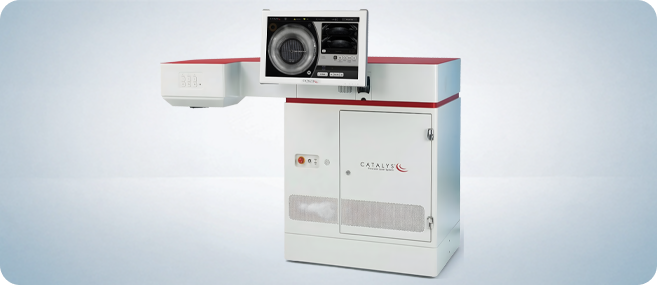
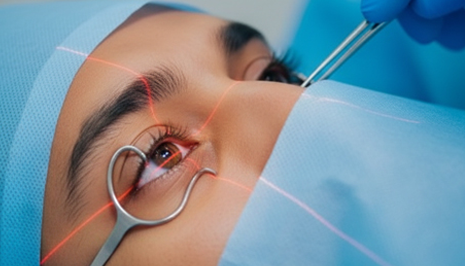
Laser Cataract Surgery
- Bladeless technology
- Highly precise
- Improved surgical accuracy
- Faster visual recovery
Our specialists recommend the most suitable surgical technique after a detailed eye examination.
Eye Cataract Treatment at ASG Eye Hospital
ASG Eye Hospital provides comprehensive eye cataract treatment using advanced diagnostic technology and internationally accepted surgical techniques.
Our treatment process includes:
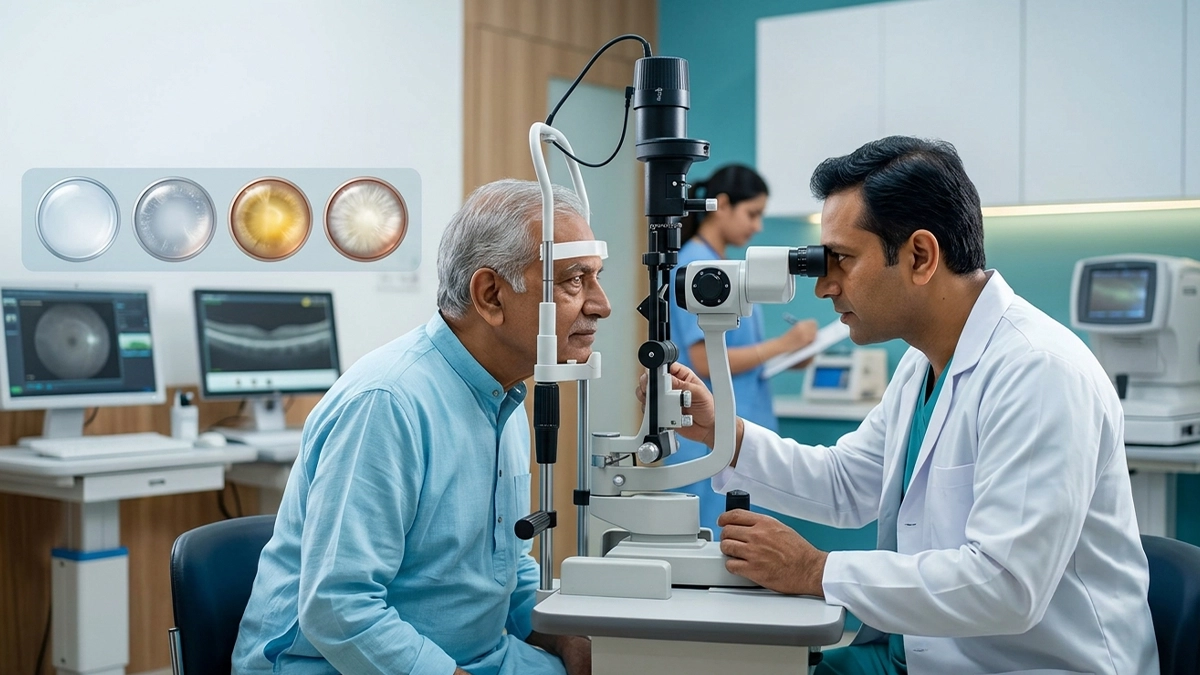
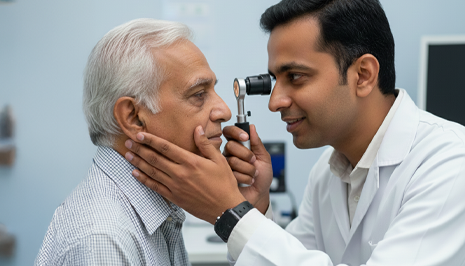
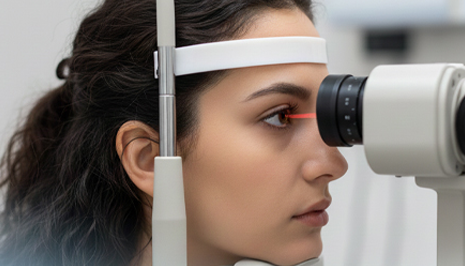
- Complete eye examination
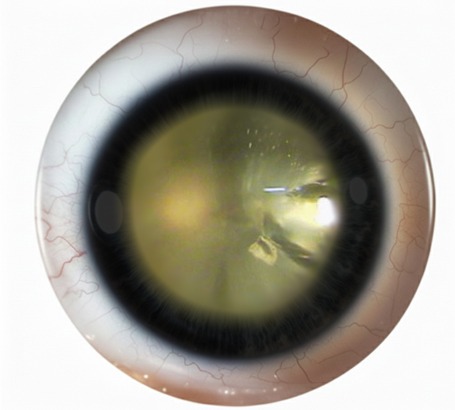
- Cataract evaluation
- Retina assessment
- Biometry for lens calculation
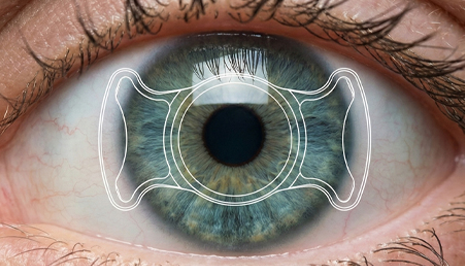
- Customized IOL selection
- Advanced cataract surgery
- Regular follow-up care
Every treatment plan is personalized according to the patient’s age, lifestyle, eye condition, and visual needs.
Choosing the Right Intraocular Lens (IOL)
Selecting the right lens is an important part of successful cataract surgery.
Available options include:
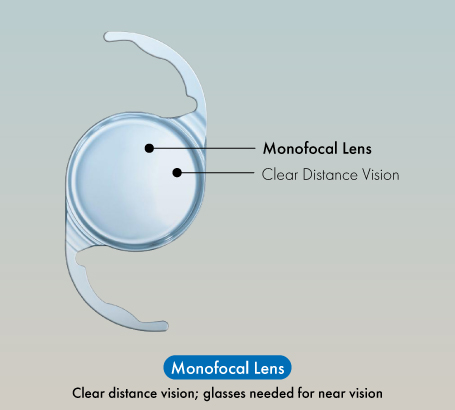
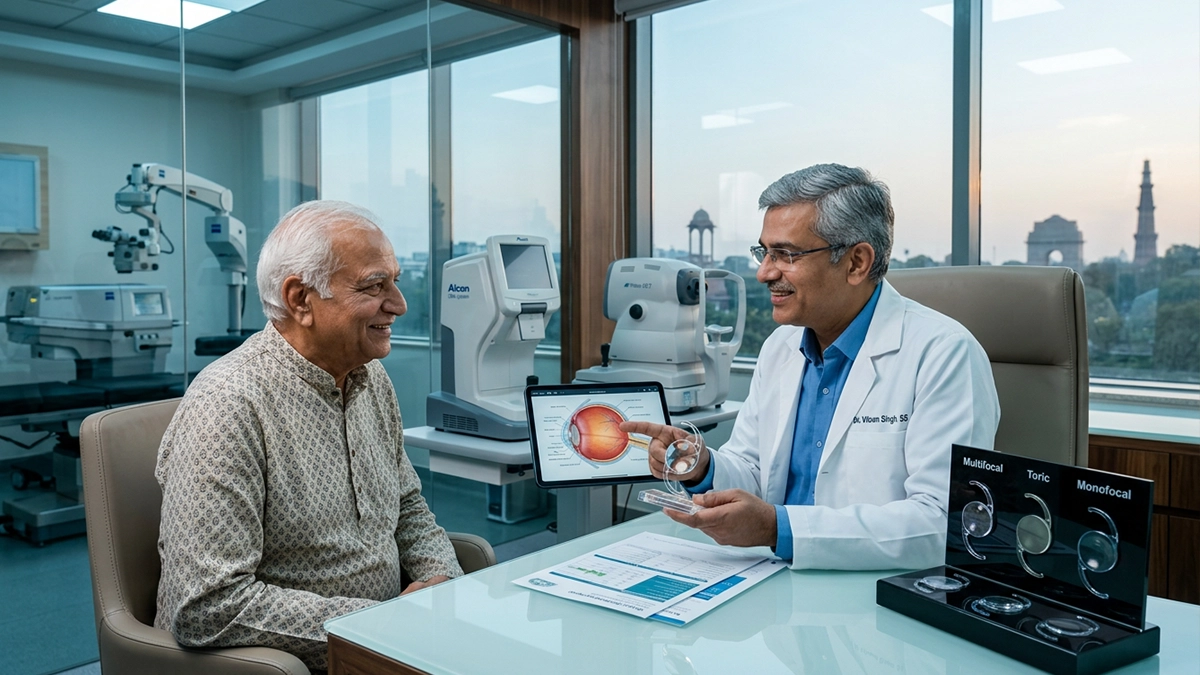
Monofocal Lens
Provides clear vision at one distance.
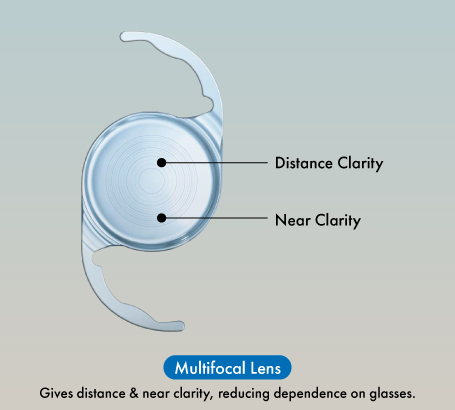
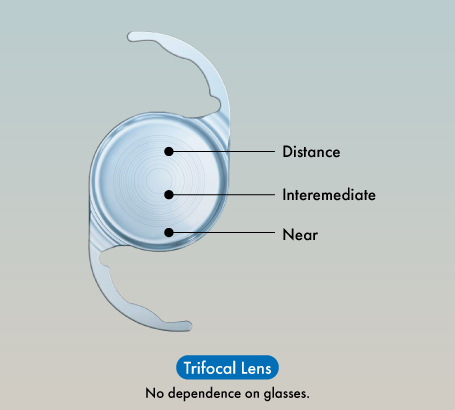
Multifocal Lens
Offers improved vision for near, intermediate, and distance activities.
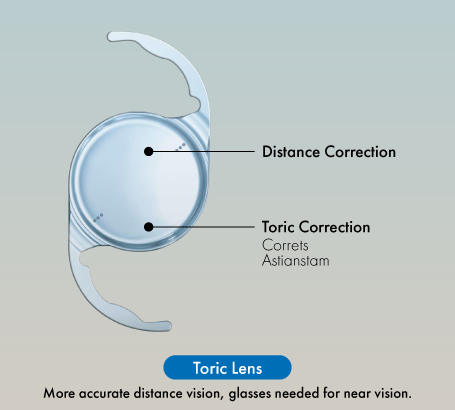
Toric Lens
Corrects astigmatism along with cataracts.
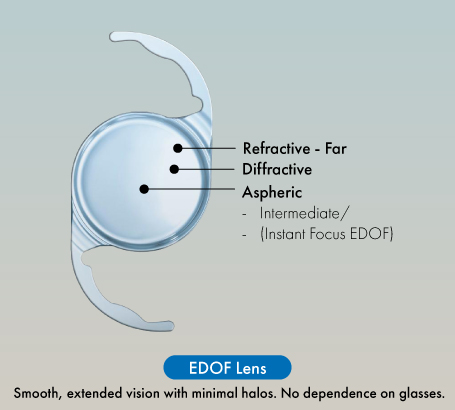
Premium IOLs
Designed to reduce dependence on glasses after surgery.
Our eye specialists help patients choose the most suitable lens based on lifestyle, budget, and visual expectations.
Cataract Surgery Cost in India
The cost of cataract surgery depends on several factors, including:
- Type of surgery
- Intraocular lens (IOL) selected
- Cataract complexity
- Hospital location
- Surgeon expertise
Estimated Cost
- Standard Cataract Surgery: ₹20,000 – ₹40,000
- Advanced / Laser Cataract Surgery: ₹50,000 – ₹1,20,000
At ASG Eye Hospital, we offer transparent pricing with high-quality care across all our centers.
Recovery After Cataract Surgery
Recovery after cataract eye surgery is usually quick.
Before Surgery
- Comprehensive eye examination
- Blood sugar and blood pressure evaluation (if required)
- Lens selection
- Surgical counseling
After Surgery
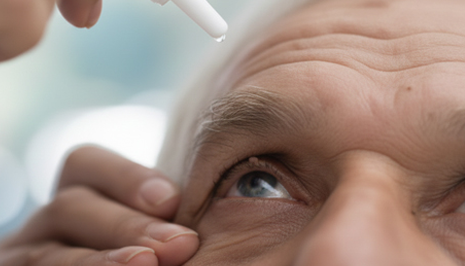
- Use prescribed eye drops regularly
- Avoid rubbing your eyes
- Wear protective glasses
- Avoid swimming for a few weeks
- Attend scheduled follow-up visits
- Avoid heavy lifting during the initial recovery period
Most patients notice significantly clearer vision within a few days.
When Should You Consult an Eye Specialist?
Schedule an eye examination if you experience:
- Blurred vision
- Difficulty driving at night
- Frequent change in spectacles
- Increased glare from lights
- Cloudy vision
- Difficulty reading
- Reduced color brightness
Early diagnosis leads to better treatment outcomes and improved quality of life.
Looking for Cataract Surgery Near You?
If you’re searching for cataract surgery near me, cataract eye surgery, or eye cataract treatment, ASG Eye Hospital offers expert care, advanced technology, and affordable treatment across multiple locations in India.
Book your cataract consultation today and regain clear, comfortable vision with the trusted specialists at ASG Eye Hospital.