Pediatric ophthalmology is a specialized branch of eye care focused on diagnosing and treating eye problems in infants, children, and teenagers.
Children’s eyes are still developing, and early detection of vision problems is extremely important. Timely treatment not only protects eyesight but also supports a child’s learning, confidence, and overall development. Many childhood eye conditions can be successfully treated when identified early.
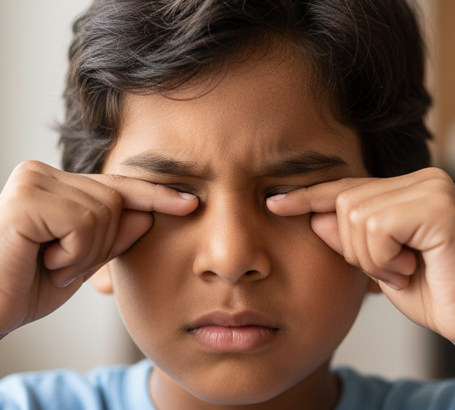
Frequent eye rubbing or excessive blinking
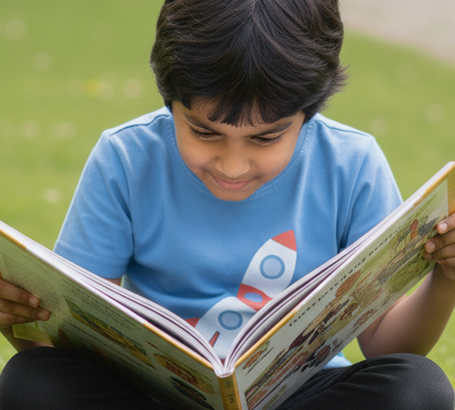
Holding books or digital devices very close
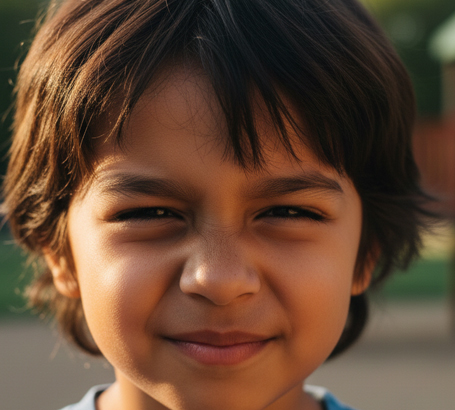
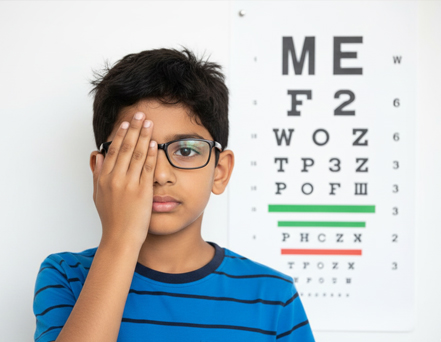
Squinting or covering one eye
Complaints of headaches or eye strain
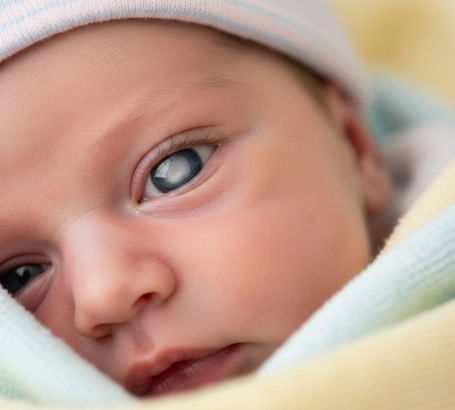
A white or grey reflex in photographs (requires urgent evaluation)
Poor concentration or difficulty reading
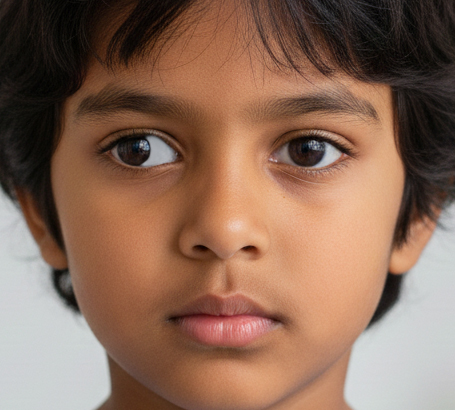
Wandering or misaligned eyes
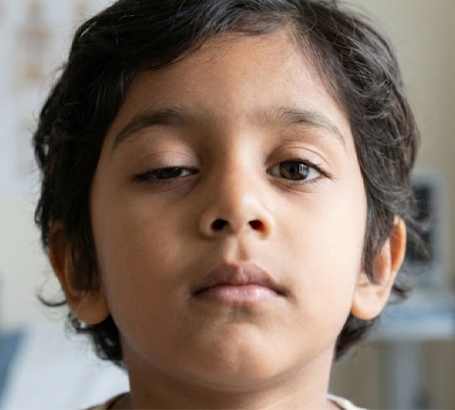
Pediatric Ptosis : Drooping of the eyelid that may block vision and interfere with normal visual development.
Congenital Cataract : Clouding of the natural lens present at birth or early childhood.
Strabismus (Squint) : Misalignment of the eyes, which can affect binocular vision and depth perception.
Refractive Errors (Myopia, Hyperopia, Astigmatism): Caused by the eye not focusing light properly, leading to blurred distance or near vision.
Amblyopia (Lazy Eye) : Reduced vision in one eye because the brain favors the other eye. Early treatment is crucial.
Congenital Nasolacrimal Duct Obstruction (Blocked Tear Ducts): A significant number of newborns… Read More
Treatment depends on the child’s specific condition and age. Options may include:
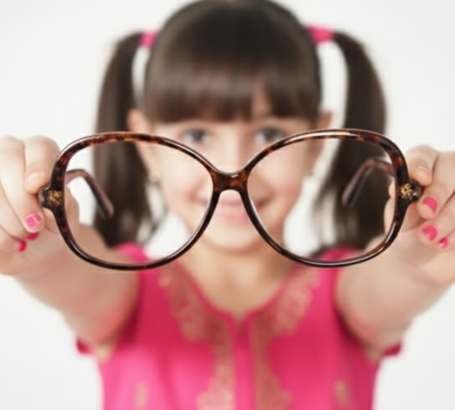
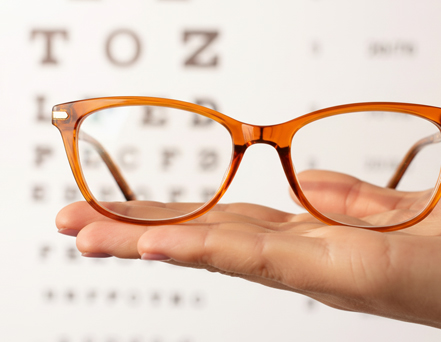
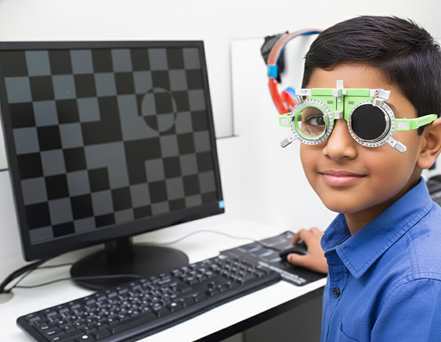
Correct refractive errors and help improve visual development.
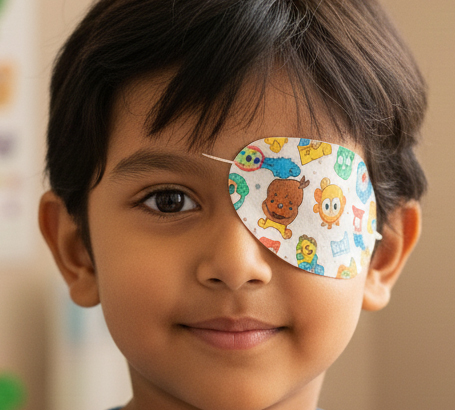
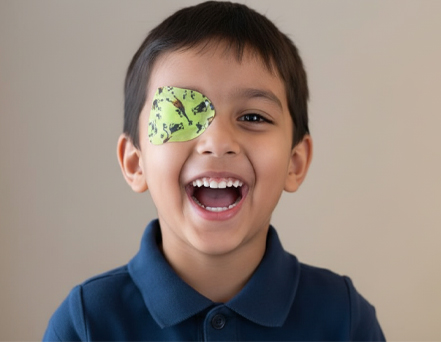
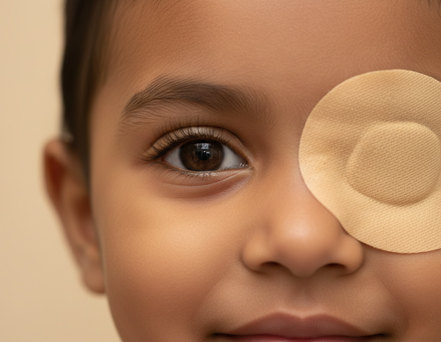
The stronger eye is covered to stimulate and strengthen the weaker eye.
May include glasses, vision therapy, or surgery to restore proper eye alignment and coordinated binocular vision.
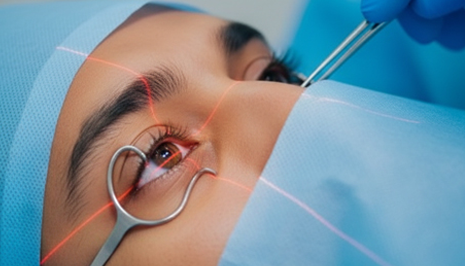
Performed when necessary to ensure proper visual development in infants and children.
Evidence-based treatments to slow progression, including: Specialized myopia-control lenses, Low-dose atropine eye drops, Lifestyle and screen-time guidance
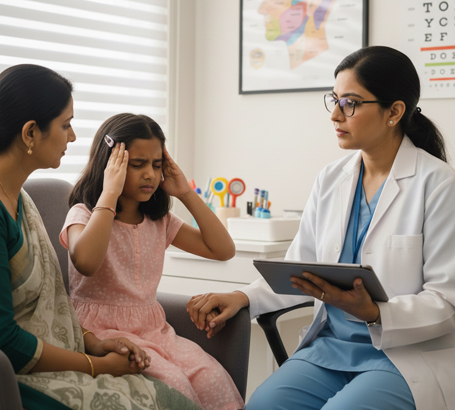
We understand that children may feel anxious about visiting a hospital. Our pediatric eye specialists are trained to make every visit calm, friendly, and reassuring.
At ASG, we provide:
Our goal is to make both children and parents feel comfortable and confident throughout the journey.
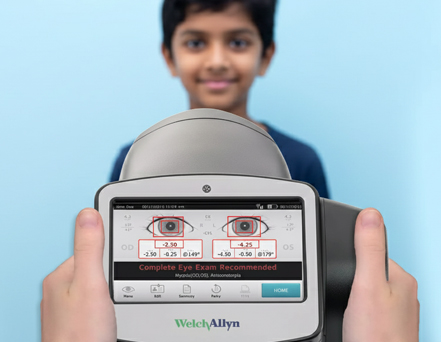
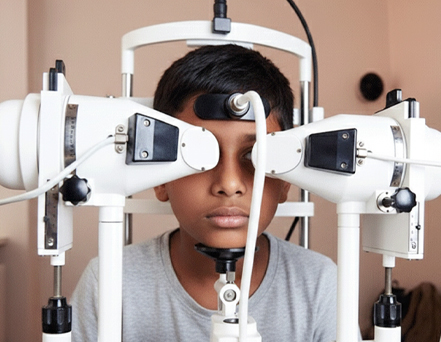
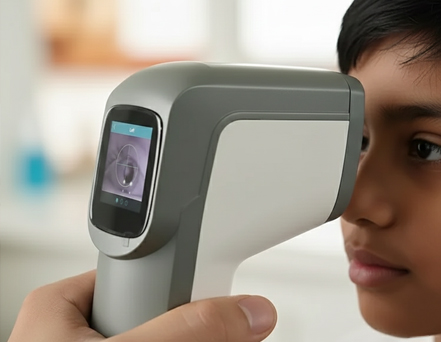
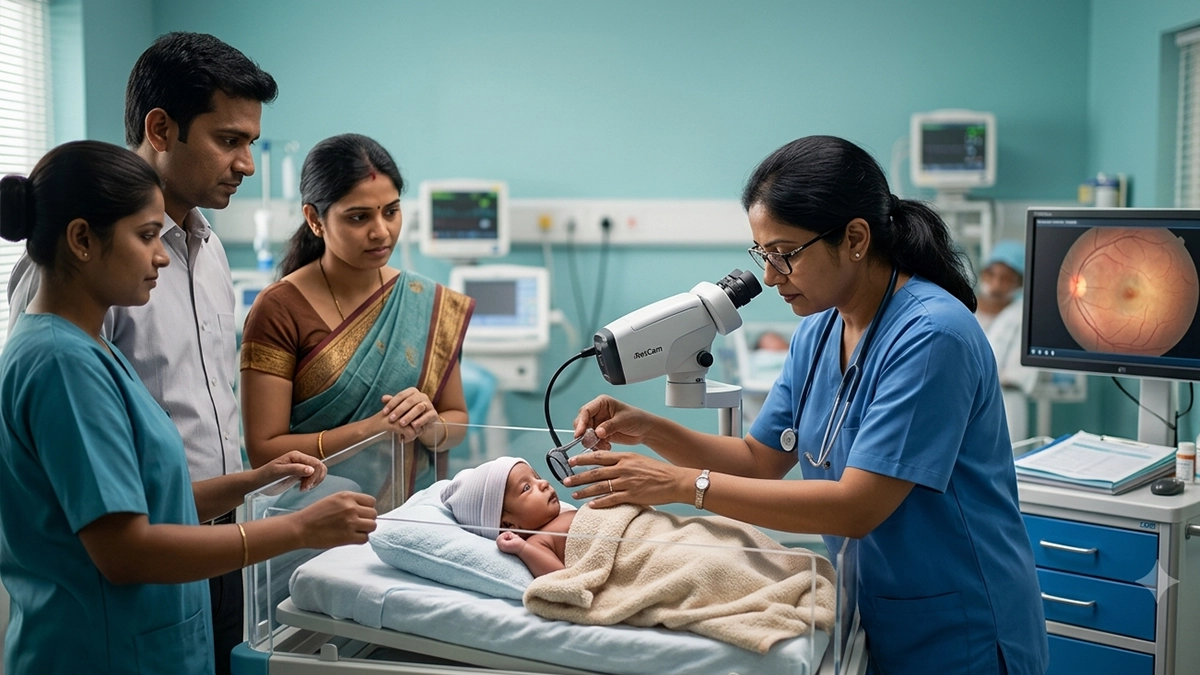
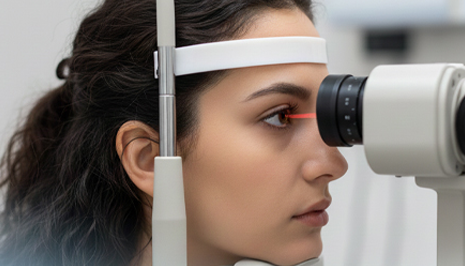
We use modern, child-friendly diagnostic tools to ensure accurate and comfortable evaluation:
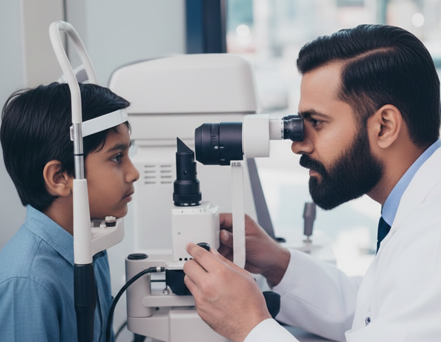
A friendly, child-focused examination to evaluate vision, eye alignment, and overall eye health. Everything is explained clearly to parents.
If any issue is identified — such as myopia, squint, lazy eye, or allergies — we provide a detailed explanation and discuss suitable treatment options.
From prescribing glasses to advanced pediatric procedures, every treatment plan is customized, gentle, and child-friendly.
Regular reviews ensure your child’s eyes develop properly, with timely adjustments as they grow.
A friendly, child-focused eye check-up to assess vision, eye alignment, and overall eye health. Doctors explain everything in simple terms to parents.
If any issue is found—like myopia, squint, lazy eye, or allergies—you get a clear explanation, treatment options, and practical advice for daily care.
From glasses to patching therapy to advanced pediatric procedures, every treatment is designed to be gentle, safe, and child-friendly.
Regular check-ups ensure your child’s eyes grow healthy and strong, with timely adjustments to treatment as they develop.
Please wait...
ASG is growing its network with 200 Vision Centres, delivering affordable eye care to over 4 million people.
Or
Pediatric Ophthalmology is a sub-specialty of eye care that deals with the vision development and eye health of infants, children, and adolescents. Because a child’s visual system is still developing until age 8–10, early intervention by a specialist is crucial to prevent permanent vision loss.
A child should have their first comprehensive eye screening at 6 months of age, followed by another at age 3, and then annually once they start school. However, if you notice your child squinting, rubbing their eyes, or holding books very close, you should schedule an appointment immediately.
A squint is a condition where the eyes do not look in the same direction at the same time. One eye may turn in, out, up, or down while the other eye looks straight ahead. At ASG, we treat squints using specialized exercises, glasses, or advanced muscle-realignment surgery.
Yes. While it is best to treat a squint in early childhood to ensure proper vision development, squint surgery can be performed on adults as well to improve eye alignment and facial appearance.
Amblyopia occurs when the brain favors one eye over the other, leading to poor vision in the “lazy” eye. If not treated during the “critical period” of childhood (usually before age 7 or 8), the vision loss in that eye may become permanent.
Treatment often involves “Patching Therapy,” where the stronger eye is covered with a patch for a few hours a day to force the brain to use the weaker eye. We also offer Vision Therapy and specialized glasses to help strengthen the visual connection.
Watch for these warning signs:
Sitting too close to the TV.
Tilting the head to see better.
Frequent eye rubbing or watering.
Closing one eye to read or look at distant objects.
Complaints of headaches or “tired eyes” after school.
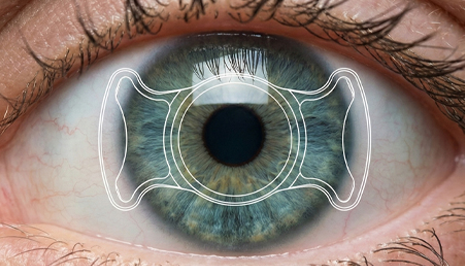
Yes. Some babies are born with cataracts (cloudy lenses). This is a medical priority, as it prevents light from reaching the retina during critical development. Our pediatric surgeons are experts in infant cataract surgery and intraocular lens (IOL) implantation.
Not at all. Our pediatric wings are designed to be child-friendly. We use “no-touch” diagnostic tools and specialized dilating drops to examine the retina. Our doctors are trained to perform exams through play and engagement to keep the child relaxed.
Not necessarily. Many children’s eye shapes change as they grow, and their prescription may decrease. For those with high refractive errors, we monitor them closely and discuss permanent correction options once they reach adulthood.
What do you understand by Cataract? A cataract is an eye condition characterized by the clouding of the natural lens in the eye, leading to vision
What Do You Understand by Diabetic Retinopathy? Diabetic retinopathy is an eye condition, it is caused by diabetes
Cornea and Associated Diseases The cornea is the transparent front part of the eye that covers the iris, pupil, and anterior parts of an eye.
Glaucoma: A Silent Thief of Sight Glaucoma is an eye condition that directly damages the optic nerve (the bundle of nerve fibers that carries..
What is Neuro-Ophthalmology? Neuro ophthalmology is a combination of super specialty of both neurology and ..
Job Title: Consultant Ophthalmologist
Location: Jaipur, Rajasthan
Job Category: Technical/ IT Support
Work Employment: Full time
What you work:
Mandatory skills:
Preferred Qualifications:
This will close in 0 seconds