SLT Laser for Glaucoma: How Does It Work?
Glaucoma also may slowly destroy the optic nerve and cause vision loss. Reducing pressure within the eye helps in this fight. SLT laser glaucoma treatment is a choice for some types of the disease. It uses a low power laser to better the outflow of fluid. Your ophthalmologist is the best to consult on whether this is right for you.
What Is SLT Laser Treatment?
SLT laser glaucoma treatment which also goes by the name of selective laser trabeculoplasty affects the trabecular meshwork. This is a tissue which plays a role in the drainage of fluid from the eye. If drainage does not happen as it should, pressure in the eye may increase and in turn damage the optic nerve.
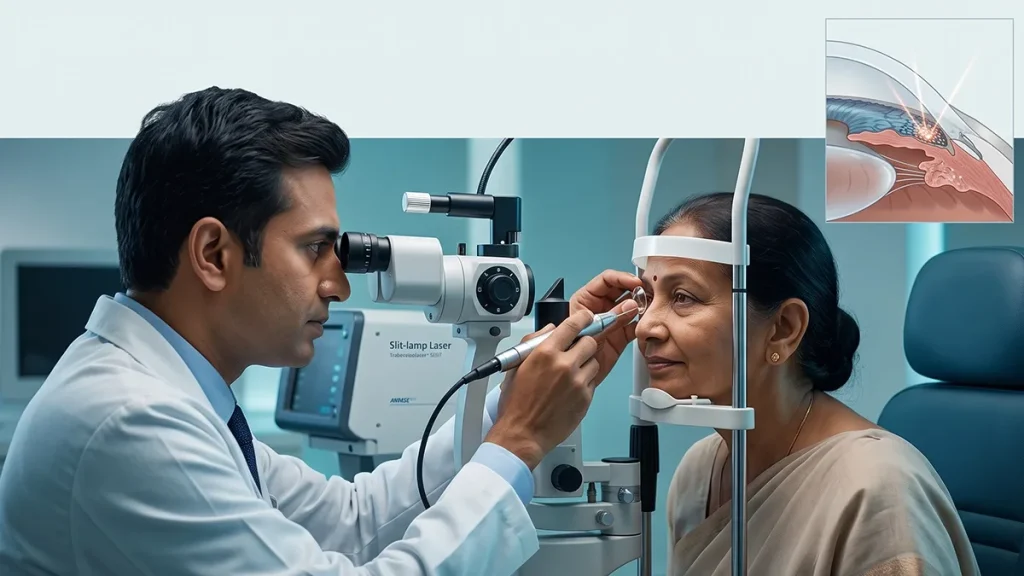
Unlike what we do in traditional surgery this glaucoma laser treatment does not make an incision. The laser goes after certain pigmented cells and sets in motion the eye’s natural processes. This in turn helps fluid to drain better and supports the long term management of glaucoma
How Does SLT Lower Eye Pressure?
The eye is in a constant production of a clear fluid, which is the aqueous humor that nurtures the ocular structures and leaves through the trabecular meshwork, at any time there is a decrease in outflow pressure rises.
During the course of SLT laser glaucoma the specialist uses short laser pulses on this drainage tissue. We see that the treatment brings about biological changes which in turn improve fluid outflow. Better drainage in turn causes a drop in pressure and so reduces the risk of further damage to the optic nerve. It is important to note though that the procedure does not reverse vision loss which has already occurred due to glaucoma.
Who May Benefit From SLT?
In certain cases an ophthalmologist will put forth the use of Selective Laser Trabeculoplasty for patients that have open angle glaucoma or high pressure which puts them at risk for glaucoma. It may be of benefit to those that have issues with daily drops, experience adverse reactions to medication, or require more pressure control.
This early stage glaucoma laser treatment may be used as a first option or in addition to present medication. Also it is true that not all types of glaucoma respond to SLT. A detailed exam is what the specialist uses to determine what is appropriate.
What Happens During the Procedure?
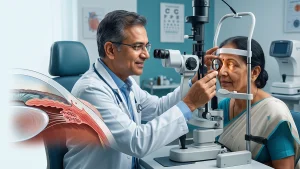
Before treatment an ophthalmologist will check your eyes out and we apply numbing drops. We use a special contact lens which helps to direct the laser at the drainage tissue. You may see some flashes of light but for the most part the process is not very uncomfortable.
The laser procedure is a short while. Your health care provider will check the pressure post procedure and will set up follow up appointments. For safety please arrange a ride home if your vision is still blurred.
| Stage | What to expect |
| Before treatment | Eye examination and pressure measurement |
| During treatment | Numbing drops and controlled laser pulses |
| Immediately afterwards | Possible mild irritation or temporary blurred vision |
| Follow-up | Pressure checks and assessment of treatment response |
Benefits and Possible Side Effects
SLT laser glaucoma may reduce the use of daily eye drops in some patients. It is a non-invasive procedure which at times specialists may repeat if the results diminish. These benefits put it forward as a good option for right patients.
Results are variable. Some do still require medication or a different treatment. There may be temporary inflammation, irritation, blurred vision or a short term pressure rise. Your ophthalmologist will go over the individual risks with you before we proceed.
| Potential benefit | Important consideration |
| May lower pressure | Response varies between patients |
| May reduce reliance on drops | Medication may still be necessary |
| No surgical incision | Specialist assessment remains essential |
| Can sometimes be repeated | The effect may weaken over time |
Recovery and Long-Term Care
After undergoing SLT laser glaucoma many of our patients report to return home and resume normal activities the day of the procedure at their doctor’s discretion. You may notice your vision is fuzzy for a while. Please follow the post op instructions given and attend all follow up appointments.
Do not stop glaucoma prescriptions without your ophthamologist’s say so. We recommend regular eye exams which in turn help to monitor the disease and see that the treatment is still working. If you have severe eye pain or sudden vision changes seek immediate medical care.
Conclusion
SLT laser glaucoma treatment presents a good option for some patients. Selective laser trabeculoplasty which improves fluid outflow and may preserve what is left of the vision but results do tend to vary. Talk to an ophthalmologist to determine your options and to develop an appropriate care plan.
Frequently Asked Questions
1. How long is it before we see results from selective laser trabeculoplasty?
Results develop over time. Your ophthalmologist will do a follow up which may be several weeks post treatment. Some patients require more medication or a second procedure.
2. Can SLT replace glaucoma eye drops?
SLT laser glaucoma can take over or do away with the use of glaucoma eye drops in some patients. In others which medication is a must for optimal pressure control we see you should stick to what your specialist says. Follow your specialist’s instructions.
3.Is there pain in glaucoma laser treatment?
In most cases there is little to no pain as the anesthetic drops are used which numb the area. You may see bright flashes, feel mild irritation or have blurred vision for a short time after the procedure.
4. Does SLT cure glaucoma?
No. SLT is a tool for managing the disease but we have no cure for glaucoma or to reverse lost vision. We ask that you have regular checks to protect what sight you still have
References
1. Explains how laser treatment helps fluid drain from the eye and reduces intraocular pressure in open-angle glaucoma –
https://www.nei.nih.gov/eye-health-information/eye-conditions-and-diseases/glaucoma/treatment
2. Detailed information about SLT, the trabecular meshwork, how laser pulses improve drainage, treatment benefits and follow-up.
https://www.moorfields.nhs.uk/for-patients/information-hub/selective-laser-trabeculoplasty
3. Patient guidance covering how SLT works, why eye pressure needs control, eligibility and alternative treatments.
https://www.cuh.nhs.uk/patient-information/selective-laser-trabeculoplasty/