Sharp pain, watering, redness in the eye or a sensation that there is sand in it is what you may experience. When a fingernail, dust particle, contact lens, paper edge, or plant branch comes into contact with the eye that is when these symptoms may present.In many cases what we have is a corneal abrasion which the patient may report as a scratched cornea. We see that while healing may be quick in these instances also note that similar symptoms may present with an infection, retained debris, or a deeper eye injury.
The cornea which is the clear front part of the eye that focuses light also is what we find to be very densely nerve lined which is why a very small scratch may produce great pain. As for treatment of the corneal abrasion treatment that will depend on what caused it, the size and location of the damage, if the person is a contact lens user, risk of infection and also if vision has changed.
What Is a Corneal Abrasion?
A corneal abrasion is a superficial scrape which affects the outer protective layer of the cornea. As a person blinks the eyelid moves over this affected area which may cause a scratched cornea to remain symptomatic even once the cause is gone. Also the eye may become very watery as a means of protecting the injured tissue and also for lubrication.
A surface scrape is not the same as a corneal laceration, chemical burn, penetrating wound, or serious blunt trauma. The latter may affect deeper eye structures and require urgent evaluation. Pain is a poor indicator of the extent of an eye injury, thus we should not treat reports of reduced vision, bleeding, an irregular pupil, an embedded object, or high speed impact as that of a routine scratch.
Common Symptoms
Symptoms of a corneal abrasion will present right after an injury which is the cause but in some cases discomfort becomes apparent after the eye has been rubbed or upon waking the next morning. As to what a scratched cornea may do it may produce sharp or burning pain, excessive tearing, redness, blurred vision, swollen eyelids, light sensitivity, frequent blinking, headache, and a constant sensation that there is something in the eye.
These signs also present with dry eye, conjunctivitis, keratitis, eye inflammation, or a foreign body which has been left in. For this reason it is not wise to diagnose and treat a corneal abrasion treatment based only on symptoms. An ophthalmologist is able to tell the difference between a simple scratch of the cornea and an infection or other eye injury which may require a different treatment.
| Symptom | What the Patient May Notice | Why It Matters |
| Eye pain | Sharp, burning, stinging, or severe discomfort | Increasing pain can suggest infection, retained material, or deeper damage |
| Foreign-body sensation | Grit, sand, or an eyelash seems trapped | A particle may remain under the eyelid or on the cornea |
| Watering and redness | Continuous tears with a visibly red eye | These are common responses but may also occur with infection |
| Light sensitivity | Bright light becomes painful | Marked sensitivity may require prompt assessment |
| Blurred vision | Temporary haze or loss of clarity | Any meaningful vision change should be examined quickly |
| Eyelid swelling | Puffy or difficult-to-open eyelids | Worsening swelling or discharge needs medical attention |
Common Causes
Acorneal abrasion is a common issue that may present in the middle of routine daily activities. Fingernails are the top agents for this which includes when changing a child’s diaper, putting on make up, taking out contact lenses, or when you rub at an itchy eye. Also paper, towels, hair brushes, plant branches, sand, saw dust, and that which may be a result of home repair work may scratch the surface. A particle that gets caught under the upper eyelid will continue to damage the same area with each blink.
Contact wean of a contact lens calls for special care. Issues like damaged lenses, poor fit, over time wear, in correct insertion or removal, wearing night wear which is not meant for that, or poor hygiene may cause damage to the eye and raise the risk of infection. A report of a contact lens related scratched cornea should see a prompt visit to the eye care professional as at early stages microbe keratitis may present as a simple scratch. Also in treatment of the issue we must take into account the lens wear habits and also rule out the chance of contamination.
In the workplace and at home serious eye injury may occur. We see that metal, wood, glass, chemicals, gardening waste, and high speed particles from the action of drilling, grinding, cutting or hammering out in the field are the cause. Protective eyewear is key here as penetration may not be apparent without a full eye exam.
What to Do Immediately
When foreign matter like dust or sand gets in the eye try to get it out by blinking which may stimulate tear production to flush it out. Also you may rinse the eye with clean water or sterile saline. Do not rub the eye as that may cause corneal abrasion and a scratched cornea.
or make an existing corneal injury worse. Do not use tools like tweezers or cotton buds to remove the material.
When an object appears to be embedded, the incident of metal on metal or a foreign object at high speed into the eye does not attempt to remove it. Do not press on the eye and seek immediate care. These may be penetrating eye injury which in fact are not minor surface issues.
Chem prompt which goes out to 1000 Chemical exposure requires immediate irrigation with large volumes of clean water and prompt medical attention. A chemical burn does not respond to the same corneal abrasion treatment, in fact may appear at first to only cause minor issues.
How the Condition Is Diagnosed
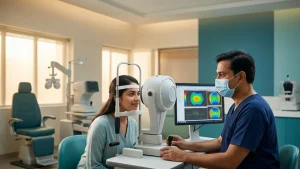
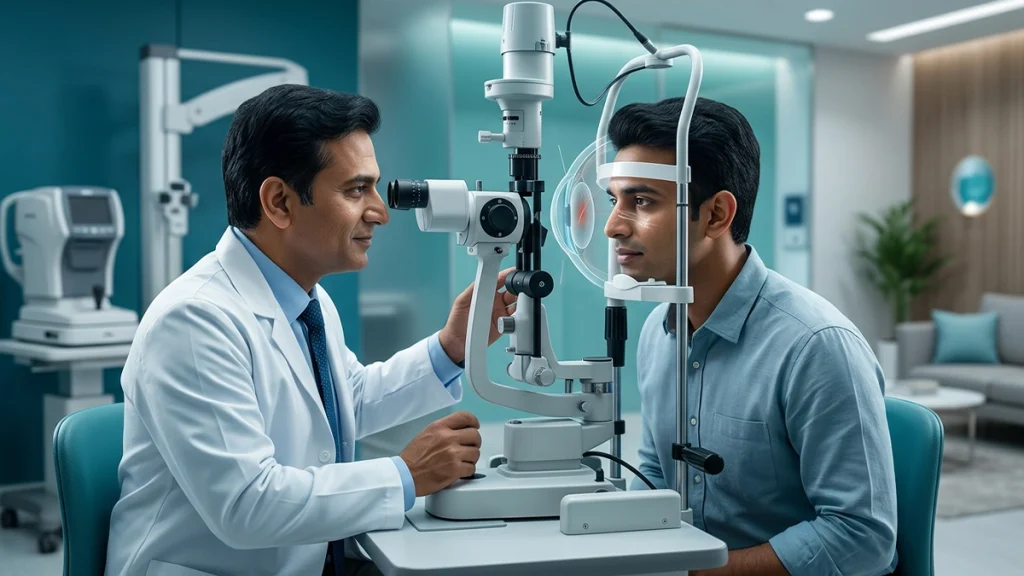
To diagnose a corneal abrasion which is a routine task for ophthalmologists they ask how the injury took place, perform a vision test, examine the eyelids and very closely at the ocular surface. In some cases we may put in fluorescein dye which when exposed to blue light brings out the affected areas. Also we use the slit lamp microscope which helps determine the location, extent, depth and pattern of the scratch.
The upper lid also may be gently retracted to look for embedded grit or other particles. This is an important step which if ignored can cause the same area to be rubbed and delay a scratched cornea to heal. The results of this action will determine the corneal abrasion treatment and also will dictate if follow up is required.
Corneal Abrasion Treatment
The goal of corneal abrasion treatment is to reduce pain, support the healing of the surface, reduce risk of infection when appropriate, and remove the cause. A clinician may remove loose foreign material and prescribe lubricating drops or ointment. Antibiotic medicine may be put forward in some cases. What we put in varies with age, allergies, pregnancy, contact lens use, and the type of eye injury which is hard to ever try another person’s prescription.
A physician may suggest oral pain relief. At the time of the exam anesthetizing drops which are used should not be put in at home by the patient regular use of which may delay the healing process and cause more damage. Also wear of contact lenses should be discontinued till the scratched cornea is healed and an ophthalmologist gives the go ahead to put in the lenses again.
Eye patching does not fit all patients. That decision is based on the type and size of the injury, infection risk, and results of the exam. Personalized care for corneal abrasion treatment is thus better than using left over antibiotics, steroids, redness reducers or anesthetics.
| Care Approach | Purpose | Patient Guidance |
| Gentle irrigation | Washes away loose dust or grit | Use clean water or sterile saline and avoid rubbing |
| Professional foreign-body removal | Stops continued surface damage | Do not remove embedded or difficult-to-reach material yourself |
| Lubricating drops or ointment | Reduces friction and improves comfort | Use a product recommended for the individual |
| Prescription antibiotic medicine | Reduces infection risk in selected cases | Follow the exact dose and duration advised |
| Pain management | Improves comfort during healing | Use only medicines suitable for the patient |
| Contact lens break | Prevents further irritation and contamination | Restart only after healing and professional guidance |
| Follow-up examination | Confirms recovery and checks complications | Return earlier if pain, redness, discharge, or vision worsens |
Recovery Time
A small corneal abrasion usually improves in 24 to 48 hours and many superficial injuries heal within two to three days. Healing time may be longer when the area is large, central, deep, infected, repeatedly touched, or related to contact lenses. Central located scratched cornea may at times see more of a temporary visual effect than a small peripheral scrape
Pain will decrease as healing goes on. As for persistent discomfort, increasing redness, discharge, light sensitivity, or vision loss, that’s when you should come in for a check up. The doctor may have to see if the corneal abrasion treatment is working also if there is an infection, retained material, recurrent erosion, or another eye injury.
Fast Recovery Tips
The best method of support for healing is to follow the given plan and avoid repeat irritation. Before touching the eyelids wash hands, do not rub the eye, do not put on eye make up until symptoms improve and reduce exposure to dust and smoke. Sunglasses may make bright light more bearable. These actions will help a scratched cornea heal without added friction.
Contact lenses must be removed for the duration of the recovery phase, at which time if there is some improvement in the pain it is important to note that a lens may still cause irritation to the healing tissue and also may serve as an environment for microorganisms to grow. At the first sign of the go ahead from your health care provider to do so replace your lenses, storage cases, or solution only as directed. Carefully follow the corneal abrasion treatment and do not put in non-sterile at home remedies.
Rest improves comfort, but for present warning signs eye closure is not a substitute for examination. Screen use does not cause the primary issue but long term viewing may reduce blinking and bring about more notice of irritation. After an eye injury symptoms should improve gradually rather than get worse.
When to Seek Urgent Eye Care
Urgency of assessment in the setting of severe pain, reduced vision, increasing redness, discharge, marked light sensitivity, or failure of symptoms to improve. Also seek immediate care post chemical exposure, sharp trauma, high speed impact, visible bleeding, an abnormal pupil, or an embedded object.
Children may not present symptoms for a corneal abrasion. Persistent crying, refusal to put in a particular eye, frequent rubbing, sudden aversion to light, or excessive tearing after play should be noted. Also in the case of contact lens wearers, people with only one functional eye, reduced immune systems, or past corneal surgery extra care is advised. In those cases what may be a simple scratched cornea may require closer follow up.
At ASG Eye Care we have put in place a system for patients which if they present with sudden eye pain or have eye trauma they may book in for an ophthalmology consult for assessment and proper corneal abrasion treatment Also we do an early evaluation which is key to tell the difference between a simple scratch and an infection or some other type of eye injury that may require emergency care.
Possible Complications
Most of what we see with regard to superficial corneal scratches is that they heal up with out any permanent damage, but we do see development of infection when microorganisms get into the broken surface. That may be more of a risk after a contaminated trauma or contact lens use. Also we see that deeper damage does leave a scar and scarring which is in the center of the cornea may affect visual clarity. Also some people go on to develop recurrent corneal erosion which is a breaking down of the surface again which often happens upon waking.
Repetitive symptoms of pain, watering, redness, or light sensitivity in a previously injured eye call for an ophthalmic evaluation as there may be a need for more in depth care of recurrent erosion.
Prevention
Protective glasses should at all times be worn while drilling, grinding, cutting, hammering, in the garden, with chemical products or while playing sports which include fast moving objects. Common spectacles may not offer that which is required for side protection.
At all times protective glasses should be worn while drilling, grinding, cutting, hammering, in the garden, with chemical products or during sports which include fast moving objects. Ordinary spectacles do not provide what is required for side protection.
Conclusion
A corneal abrasion is a frequent issue which does heal well usually, but at the same time may present like an infection, or an issue with a foreign body within the eye or a more serious injury. Dust may be removed by gentle rinsing but rubbing, removal of caught in substances, and use of non-prescribed eye drops will make it worse. Timely evaluation and very careful care at home will support a full recovery.
Book into a time slot at ASG Eye Hospital if you are experiencing pain, watering, redness, light sensitivity, blurred vision, or a foreign body sensation which follows an eye injury. We stress that early evaluation is very important for contact lens users, children, chemical exposure, high speed trauma, or when symptoms are not improving.
Frequently Asked Questions
1. Is this condition an emergency?
A small surface scrape may not always require a visit to the emergency department, but we do recommend that you seek evaluation promptly if there is pain, vision changes, involvement of contact lenses, or the cause is not clear. As for embedded objects, chemicals, sharp trauma, and high speed particles immediate care is required.
2. Can I sleep after scratching my eye?
Rest is fine, but sleep is no substitute for diagnosis. I will use only that which is prescribed by the doctor and will report back if pain has increased upon waking or if symptoms are not improving.
3. Can I use regular eye drops?
Lubricating drops may relieve some symptoms in patients, but it is not safe for patients to choose which of the antibiotic, steroid, redness relief, and numbing drops to use. What is the best medicine in each case depends on the results of the exam and the level of infection.
4. Should I cover the affected eye?
Do not apply a tight bandage or pressure dressing without professional advice. Whether an eye pad is used is to be determined by the case at hand.
5. Can the scratch heal overnight?
A minor scrape may improve within a day, but full recovery may take longer. Over the next 24 to 72 hours improvement should be seen. If pain or vision worsen see a health professional.
6. When can contact lenses be used again?
Wait until the wound has healed, the symptoms gone out, and the eye doctor reports that it is ok to put in the lens.