ASG Eye Hospital

When the Cornea Loses Sensation: Understanding Neurotrophic Keratitis

The cornea which is what protects the eye and also plays a role in the focus of light. Also present are sensitive nerves which alert the body to issues. With loss of Corneal numbness feeling this warning system breaks down which means an injury may happen without the usual pain or irritation. This is also a sign of neurotrophic keratitis a condition which interferes with the healing process and which may in fact put vision at risk if left untreated.

What Is Corneal Numbness?

Corneal numbness anesthesia which is the loss of some or full range of normal sensation happens when the cornea’s nerves are affected. Healthier nerves play a role in maintaining the health of the corneal surface, producing tears and alerting us to injury. In case of nerve damage even minor surface issues may heal slowly.

In neurotrophic keratitis there is diminished sensation which in turn interferes with the healing process. The surface may develop defects which may be persistent or progress into a non-healing corneal ulcer. A non-healing corneal ulcer will progress without care. Severe cases may cause perforation. The National Eye Institute reports on corneal conditions and the importance of timely care.

What Causes Corneal Nerve Damage?

Herpes simplex, shingles, diabetes, eye surgery, trauma, chemical burns and also certain eye drop preservatives may cause corneal nerve damage.

When corneal nerve damage occurs it causes a decrease in sensation in the eye, which in turn may not detect irritants and fails to heal properly. Also with Corneal nerve damage the tear reflex is reduced. Corneal nerve damage which may follow an infection or injury, is a cause of this. Symptoms present as blurred vision, redness, dryness or watering which may be little at that. Absence of pain does not equate to health in the eye.

Symptoms and Warning Signs

Corneal numbness is a hard thing to recognize without an exam. Symptoms present with different types of nerve injury and surface damage. Some may notice irritation, in some cases we see the development of wounds which come out of the blue. 

Possible signWhat it may indicate
Reduced sensationCorneal nerves may not respond normally
Blurred visionThe corneal surface may be irregular or damaged
Redness or wateringSurface irritation or inflammation may be present
Persistent surface woundA non-healing corneal ulcer may need treatment
Little pain despite damageReduced sensation may hide the severity

Only ophthalmologists can diagnose and assess sensitivity. Corneal wounds which are persistent require prompt attention even when there is only mild discomfort.

Diagnosis and Treatment

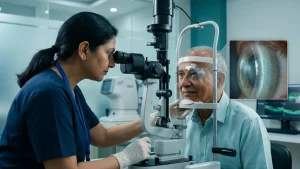
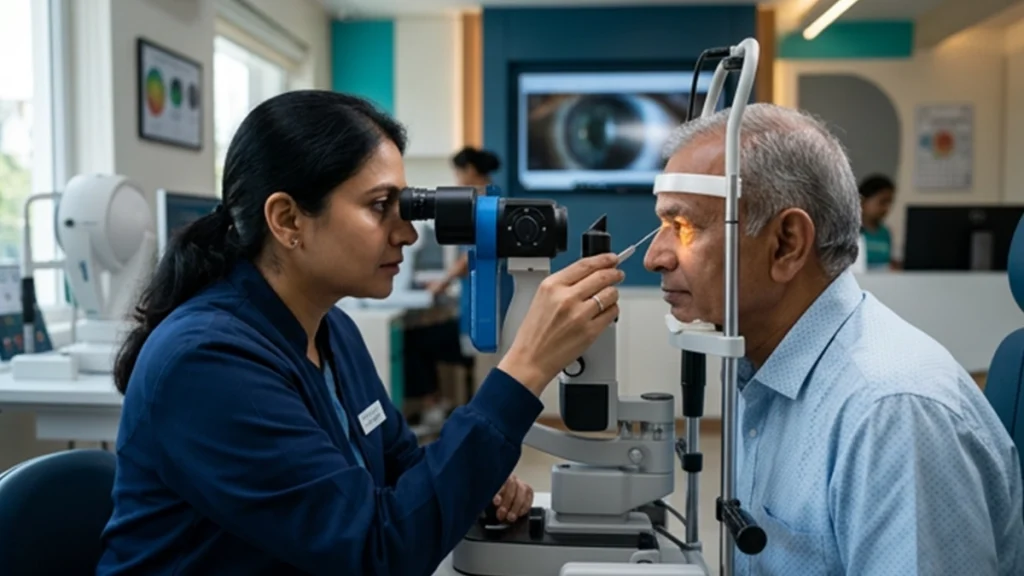
An eye care professional goes over medical history, past infections, diabetes, injuries and surgery. A slit lamp exam is used to look at the cornea. We also use special dye which brings out surface defects and in addition we do a sensitivity test of the nerves.

Recognizing signs of corneal numbness early will help determine the cause and which care is required. The doctor will look for neurotrophic keratitis, infection or any other surface issue. Also assessment of tear production and eyelid closure may be done.

Treatment will depend on the stage of the disease, defect size and risk of complications. We may suggest preservative free tears, change medicines, or use a therapeutic contact lens. In some cases we will try treatments which support healing.

Treatment approachMain purpose
Preservative-free lubricating dropsKeep the surface moist and reduce friction
Therapeutic contact lensProtect selected defects under medical supervision
Nerve-growth-factor treatmentSupport healing in eligible patients
Amniotic membrane or eyelid-closing procedureProtect the surface in severe cases

Advanced stages may require procedures which protect the cornea. At follow up we see healing. A non-healing corneal ulcer requires specialist care as deeper damage may put sight at risk.

If you suspect corneal numbness do not rub the eye or use non prescribed drops. At no time should you use anaesthetic drops at home, their misuse may cause severe damage. Go to urgent care if your vision worses, redness increases, discharge appears or you have a suspected corneal injury.

Conclusion

Corneal numbness should not be dismissed just because the eye is not in pain. What may present as a loss of feeling is in fact covering up for damage which requires immediate attention. Early evaluation and appropriate treatment can protect the cornea, promote healing and also reduce the risk of complications.

ASG Eye Care urges patients which have had issues to get in for a check up. An ophthalmologist will determine the cause and track recovery.

Frequently Asked Questions

1. Can corneal numbness occur without pain?

Yes. Reduc ated sensitivity also causes the eye to not produce pain as it usually does. It is important to have an exam when redness, blurred vision or a persistent surface defect appears.

2. Is neurotrophic keratitis serious?

It may. In some advanced cases we see ulcers, thinning or perforation. We see early diagnosis and regular follow up as a way to reduce the risk of vision threatening complications.

3. Can a non-healing corneal ulcer heal?

Many of the corneal issues do in fact heal with proper treatment which we have at our disposal, that said results may vary based on the cause and the degree of the defect. For a non healing corneal ulcer we require specialist care as in some cases it may point to more in depth damage which in turn may put sight at risk.

4. When should I see an eye specialist?

Arrange an eye exam if you notice reduced sensation, ongoing redness, or blurred vision. Seek emergency care for worsening vision, an eye injury, or a corneal ulcer.

References Links

National Eye Institute: Corneal Conditions –
https://www.nei.nih.gov/eye-health-information/eye-conditions-and-diseases/corneal-conditions 

American Academy of Ophthalmology EyeWiki: Neurotrophic Keratitis –
https://eyewiki.aao.org/Neurotrophic_Keratitis 
Overview

Job Title: Consultant Ophthalmologist

Location: Pan India
Job Category: Medical Healthcare

Work Employment:  Full time

What you work:

  • Diagnose and treat patients with a focus on Ophthalmologist.
  • Collaborate with senior doctors and multidisciplinary teams.
  • Ensure patient-centric care and follow clinical protocols.
  • Contribute to research, training, or hospital initiatives (if applicable).

Mandatory skills:

  • Relevant medical degree / certification.
  • Strong knowledge of ophthalmology practices / healthcare protocols.
  • Excellent communication and patient-handling skills.
  • Ability to work in fast-paced healthcare environments.

Preferred Qualifications:

  • Experience: 3 to 6 years of experience
  • Prior experience in eye care / multi-speciality hospitals.
  • Fellowship or advanced training in Ophthalmologist.
  • Familiarity with advanced diagnostic tools and surgical techniques.
  • Passion for innovation, patient care, and continuous learning.

Apply For This Positions

This will close in 0 seconds

Overview

Job Title: Optometrist

Location: Amritsar, Punjab 

Job Category: Optometry

Work Employment:  Full time

What you work:

  • Conduct comprehensive eye examinations and vision assessments for patients of all ages.
  • Prescribe and fit spectacles, contact lenses, and low-vision aids.
  • Perform diagnostic tests including refraction, tonometry, perimetry, and OCT imaging.
  • Support consultant ophthalmologists in pre-operative and post-operative patient workups.
  • Counsel patients on eye care, lens hygiene, and follow-up schedules.
  • Maintain accurate clinical records and adhere to hospital protocols.

Mandatory skills:

  • Bachelor’s or Master’s degree in Optometry (B.Optom / M.Optom) from a recognised institution.
  • Valid registration with the relevant state or national optometry council.
  • Proficiency in refraction, slit-lamp examination, and contact lens fitting.
  • Working knowledge of autorefractors, tonometers, fundus cameras, and OCT equipment.
  • Strong communication skills in English, Hindi, and Punjabi.
  • Ability to manage high patient volumes in a fast-paced clinical setting.

Preferred Qualifications:

  • Experience: 1 to 5 years of clinical optometry experience.
  • Prior experience in an eye care or multi-speciality hospital in Punjab.
  • Exposure to paediatric optometry, binocular vision, or low-vision rehabilitation.
  • Familiarity with advanced diagnostic imaging and dry-eye management.
  • Passion for patient care, community eye-health camps, and continuous learning.

Apply For This Positions

This will close in 0 seconds

Overview

Job Title: Optical In-charge 

Location: Panjim, Goa / Mumbai-Worli (Lower Parel) 

Job Category: Optical

Work Employment:  Full time

What you work:

  • Manage day-to-day operations of the optical outlet, including sales, dispensing, and inventory.
  • Guide customers on frame selection, lens options, and coatings based on their prescription and lifestyle.
  • Take accurate frame measurements and ensure precise fitting, adjustments, and after-sales service.
  • Drive optical sales targets and monitor daily, weekly, and monthly business performance.
  • Maintain optimum stock levels, coordinate with vendors, and control shrinkage through periodic audits.
  • Supervise and train optical staff on product knowledge, dispensing standards, and customer service.
  • Coordinate with optometrists and consultants to ensure smooth prescription-to-delivery flow.
  • Ensure visual merchandising, display hygiene, and adherence to brand and hospital standards.

Mandatory skills:

  • Diploma or Bachelor’s degree in Optometry (D.Optom / B.Optom) or equivalent optical dispensing qualification.
  • Minimum 3 years of experience in optical supervisory or in-charge role.
  • Sound knowledge of lens types, coatings, frame materials, and dispensing principles.
  • Hands-on experience with edging, fitting, and basic optical workshop equipment.
  • Proven ability to achieve sales targets and manage inventory and billing systems.
  • Strong communication and interpersonal skills in English, Hindi, and Konkani or Marathi.
  • Working knowledge of POS / retail software and MS Office.

Preferred Qualifications:

  • Experience: 3 to 7 years in optical retail or an eye care hospital optical division.
  • Prior experience managing an optical outlet in Goa or the western region.
  • Exposure to premium and progressive lens brands and specialty eyewear.
  • Familiarity with contact lens dispensing and after-care support.
  • Team leadership, customer relationship management, and continuous learning mindset.

Apply For This Positions

This will close in 0 seconds

Overview

Job Title: Optometrist

Location: Pan India 


Job Category: Optometry

Work Employment:  Full time

What you work:

  • Conduct comprehensive eye examinations and vision assessments for patients of all ages.
  • Prescribe and fit spectacles, contact lenses, and low-vision aids.
  • Perform diagnostic tests including refraction, tonometry, perimetry, and OCT imaging.
  • Support consultant ophthalmologists in pre-operative and post-operative patient workups.
  • Counsel patients on eye care, lens hygiene, and follow-up schedules.
  • Maintain accurate clinical records and adhere to hospital protocols.

Mandatory skills:

  • Diploma / Bachelor’s or Master’s degree in Optometry (D.Optom / B.Optom / M.Optom) from a recognised institution.
  • Valid registration with the relevant state or national optometry council.
  • Proficiency in refraction, slit-lamp examination, and contact lens fitting.
  • Working knowledge of autorefractors, tonometers, fundus cameras, and OCT equipment.
  • Ability to manage high patient volumes in a fast-paced clinical setting.

Preferred Qualifications:

  • Experience: 1 to 5 years of clinical optometry experience.
  • Exposure to paediatric optometry, binocular vision, or low-vision rehabilitation.
  • Passion for patient care, community eye-health camps, and continuous learning.

Apply For This Positions

This will close in 20 seconds