He also has eye care which is put on the backburner till vision becomes blurred or glasses cause discomfort. A preventive measure of getting a regular eye exam which in turn checks not only how well you see but also that the elements within and around the eyes are in good health.
Several eye diseases can begin without pain or obvious warning. Glaucoma, diabetic retinopathy and age-related macular degeneration may progress before a person notices a meaningful change in sight. The National Eye Institute and the Centers for Disease Control and Prevention explain that a dilated examination can help find common eye diseases early, when treatment may have a better chance of protecting vision. ye exam** is therefore useful even when your eyesight seems normal. It supports informed care for children, adults, contact-lens users, seniors and people with medical or family risk factors.
What Is a Regular Eye Exam?
A regular eye exam is conducted by an eye care professional. It goes over symptoms report, present glasses or contacts wear, past eye issues, what medications are in use, general health status, and also family history of eye problems. The health care provider then does certain tests that pertain to the patient’s age and degree of risk of eye health issues.
A vision test we use for a look at how clearly each eye can identify letters and at what distance. Also included in the assessment is a check of refraction which in turn will tell us if glasses are needed or that which is present has changed. Also note that performing well on the eye chart does not always mean the retina, optic nerve and eye pressure are in normal health.
That is when we do a comprehensive eye checkup which goes beyond visual acuity. We may look at the cornea, lens, pupils, eye movement, eye pressure, retina and the optic nerve. Dye may be put in the eye to expand the pupils which in turn allows the doctor to see inside the eye. The National Eye Institute reports that dilating the pupils which in turn allows us to see into the eye better for issues like diabetic retinopathy, glaucoma and age related macular degeneration.
Also we have screening which is a different thing. It is a primary level assessment which we use to identify which individuals may require a more in depth exam. We see this play out in schools, at work, and in community programs which is great for early detection but it also has the fact that not everything may be caught, some eye conditions may go by unnoticed.
Why Clear Eyesight Is Not Enough
People put off a regular eye exam because they are still able to read, work and drive. The brain will adapt to change which is gradual and also one eye may take over for the other. Also small losses in side vision, contrast or sharpness may go by unnoted.
Glaucoma is a case in point. It may very well silently go after the optic nerve and usually doesn’t show symptoms at first. According to the CDC, many people which have glaucoma are not aware of it which is what makes screening and risk based follow up so important. The disease also may progress without us realizing we are losing visual field. For a person living with diabetes a comprehensive eye checkup can identify issues in the retina and report on what needs to be monitored or treated.
Those with diabetes or high blood pressure should put in to their doctor what is the right frequency for a dilated exam. Refractive errors which may go unreported. A child may not report that they are avoiding reading or having trouble seeing the class room board. An adult may put up with headaches and tired eyes as a normal part of computer work. A timely vision test may find that better quality and more comfortable vision is possible.
What Can an Eye Examination Detect?
During a regular eye exam myopia, hyperopia, astigmatism or presbyopia may be identified. Also based on the exam we may find out that you have cataract, dry-eye disease, corneal issues, an eye muscle imbalance, a glaucoma risk, retinal changes or another issue which will require more in depth investigation.
The CDC reports that which present for eye exams may in fact present changes related to diabetes or high blood pressure. We see such results which may in turn cause a medical referral but do not replace a physician’s diagnosis or routine care. Also we create a baseline. In the future we may compare results with past records to identify changes in prescription, eye pressure, optic-nerve appearance or retinal health.
| Part of the examination | What it assesses | Why it matters |
| Vision test and refraction | Distance and near clarity, refractive error and spectacle power | Shows whether vision correction is needed or has changed |
| Slit-lamp examination | Cornea, conjunctiva, iris and lens | May identify dry eye, inflammation, corneal disease or cataract |
| Eye-pressure measurement | Pressure inside the eye | Supports glaucoma assessment when interpreted with other findings |
| Dilated retinal examination | Retina, macula, blood vessels and optic nerve | Helps detect internal disease that may not cause early symptoms |
| Eye movement assessment | Alignment and coordination of both eyes | May identify squint or binocular-vision concerns |
Eye Screening, Vision Testing and Full Examination
An eye screening is quick, it is done in the which we use as a primary tool to detect an issue. That will go over the person whose system doesn\’t find an issue we will send them in for a full examination. Also passing that screen out does not mean the absolute that the person is in the clear.
A vision test which assesses visual acuity and fits for spectacle correction is a key element but in itself does not provide a full picture of retinal health, optic-nerve health or causes of visual discomfort.
A comprehensive eye checkup includes health history, visual assessment and clinical evaluation. As per the patient’s case it may include dilation, pressure test, color assessment, retinal imaging, corneal mapping or visual field testing.
| Assessment | Typical scope | Important limitation |
| Initial vision assessment | Brief check to identify possible vision concerns | A normal result may not exclude silent eye disease |
| Visual acuity test | Measures visual sharpness and spectacle correction | Does not fully examine all internal eye structures |
| Comprehensive eye checkup | Detailed history, visual assessment and examination of the eyes | Tests vary according to symptoms and clinical risk |
| Dilated examination | Provides a wider view of the retina and optic nerve | Temporary near blur and light sensitivity may occur |
Benefits at Every Stage of Life
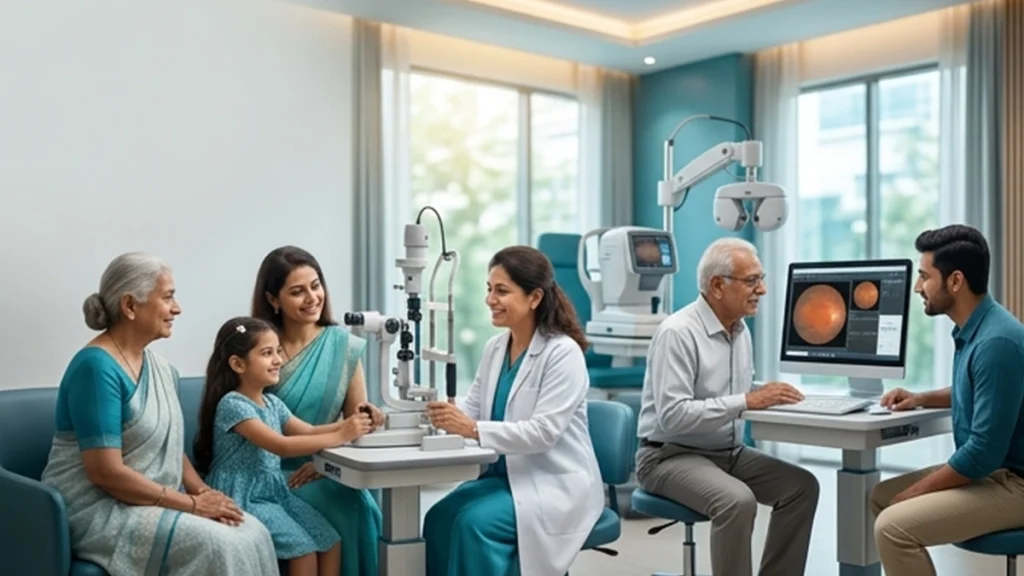
For kids a regular eye exam will identify refractive error, strabismus, amblyopia or any other issue which may affect visual development and learning. Kids may not know that their vision is different from others’. A school eye screening may serve as an early warning but issues should be followed up with a full professional exam.
For working professionals we find that regular eye exam are a great way to check into your glasses and contacts as well as your overall eye health. Also it is a great opportunity to identify the early signs of issues related to diabetes, high blood pressure, injury or genetic tendency.
After the age of 40, near focus tends to present more difficulty due to presbyopia. Also at this time age related eye issues become more of an issue. A full exam is what is required to tell the difference between a routine prescription change and a condition which requires close watch.
For seniors cataracts, glaucoma and macular issues do present more often. The NHS reports that an annual eye exam is recommended for most patients with more frequent tests when your doc advises. The NEI and CDC also note that the interval should play into personal risk factors. Should You Get an Eye Exam?
There is not a set regular eye exam for all patients. We do a basic regular eye exam and then follow the interval that the doctor recommends. A healthy adult with no symptoms may have a different schedule than a person with diabetes, high myopia, prior eye surgery or a history of glaucoma in the family.
For instance we may see your regular eye exam put forward to occur sooner and also have a more in depth eye care evaluation more often for people that wear contacts, take drugs which affect the eyes, or which already have an eye condition. Also it is also seen that in children we may put forward for an earlier assessment after a poor performance in an eye screening, at detection of a turn in the eye, or when a parent or teacher has reported visual behavior issues.
Do not put off your next appointment if you see sudden symptoms. Vision loss, eye pain, double vision, flashes, a sudden increase in floaters, persistent redness or halos around lights are reasons to get in touch with a professional right away. The CDC says to see an eye care professional for symptoms of decreased vision, pain, double vision, floaters and flashes. At the Appointment?
Before regular eye exam, bring your current glasses and contact lens information, past health reports and what medications you are on. Also report on any medical, surgical and family health issues.
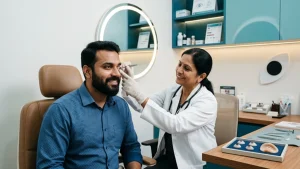
At the start of an appointment a vision test of each eye is performed. Also the doctor may check refraction, pupils, eye movements, the front of the eye and eye pressure. In a comprehensive eye checkup the doctor may recommend dilation which in turn allows a better look at the retina and the optic nerve. As the drop use may cause light sensitivity and nearsightedness for a time we recommend to bring along your sunglasses and to arrange for a ride home.
Bring with you any eye screening which you have had at a school, office or community camp. It may detail why referral was done but in full the doctor’s exam will determine what treatment or follow up is required.
How Regular Examinations Protect Vision Over Time
The best benefit of a regular eye exam is that it provides a health history. A single visit gives a picture at that time, but repeating the exams builds a health record. We see better with each previous exam to go back to for comparison. Subtle changes in prescription, pressure, visual fields, retinal appearance or the optic nerve are more noticeable when we have the earlier results to which to compare.
An in-depth clinical evaluation also does our guess work. Instead of going for ready made glasses without an evaluation or using eye drops which a friend may have prescribed, patients are given advice which is based on their symptoms and what we find in the exam.
India’s National Program for Control of Blindness and Visual Impairment reports that we have a large role to play in terms of cataract, refractive error which includes presbyopia, glaucoma, diabetic retinopathy, childhood blindness and other causes of visual impairment. We take a proactive approach which sees us out in the field for early diagnosis and treatment where it is needed thus supporting our overarching goal of reducing avoidable vision loss.
When Should You Visit ASG Eye Care?
Book in for a regular eye exam when your vision changes, spectacles become uncomfortable, you have headaches during visual work or you experience continuous dryness, redness or night time vision issues. Also assessment is important when you have diabetes, high blood pressure, long term contact lens use, previous eye surgery or a family history of eye disease.
At ASG Eye Care we tailor your regular eye exam to your age, health and medical history. A visual acuity test will be done first which is followed by dilation, imaging or specialized assessment as the condition requires. In the case of sudden vision loss, severe pain, injury, flashes, many new floaters or marked redness you should seek urgent care instead of waiting for your routine appointment. Also see below for our Frequently Asked Questions.
Conclusion
Healthy vision should not be ignored just because you still get through your daily routine easily. A regular eye exam does include visual assessment as well as that of the structures which enable sight. If used comprehensive eye checkup, an eye screening process and a professional vision test can support early detection, personalized advice and in turn better vision throughout your life.
Book in to see an ASG Eye Care ophthalmologist to determine how often you should have an eye exam. While we can’t prevent all eye diseases, getting an early diagnosis and proper treatment may help preserve your vision.
Frequently Asked Questions
1. Is a regular eye exam needed when my sight is clear?
Yes. A regular eye exam is still of value because clear central vision doesn’t mean that you don’t have a retinal or optic-nerve issue. The doctor will recommend a interval based on your age, health and family history.
2. What is included in a comprehensive eye checkup?
A comprehensive eye checkup includes health and eye history, distance and near vision, refraction which is sometimes required, front of the eye and pupil response evaluation, eye pressure assessment. Dilation of the pupils and more tests may be recommended.
3. Is eye screening the same as a complete examination?
No. Eye screening is a quick assessment which we use to identify issues. It may result in a referral but it does not evaluate all eye structures or rule out all silent diseases.
4. How is a vision test performed?
A vision test also has the patient identify letters or symbols which get smaller at the same time that each eye is tested separately. Also included may be an assessment of near vision and spectacle power.
5. Can an eye examination reveal diabetes or high blood pressure?
The doctor may report on retinal or vessel changes which are a result of these conditions. Also we see that such results may cause a medical referral but it is important to note that they do not in and of themselves diagnose or treat which is the role of the physician. In regard to children, do we have routine exams?
Children should see a professional at the first sign of visual difficulty which is reported by parents, teachers or health care providers. We should also do a full evaluation if we see an abnormal result in an eye screening.
6. Do contact-lens users need routine appointments?
Yes. Contact wearers will have a regular eye exam which is to cover prescription, lens fit, corneal health and hygiene. Signs of pain, redness, discharge, light sensitivity, and sudden vision change are to be reported in a timely manner.
7. Can an online test replace an appointment?
No. An online vision test is a limited tool which does not assess the retina, lens, cornea, optic nerve or eye pressure. It is not a substitute for a comprehensive eye checkup.