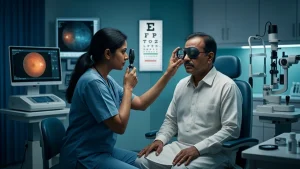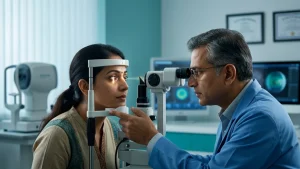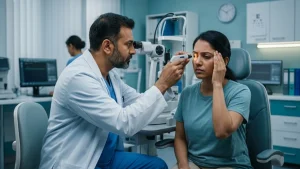

Vitamin D plays a role in calcium absorption, bone health, muscle function and also is a subject of research regarding the eye’s surface. This is what makes Vitamin D for Eye Health relevant to people with irritation, fluctuating vision or recurrent discomfort. It is not a cure all and it is important that supplements do not take the place of an eye exam.
Interest in Vitamin D for Eye Health has increased as a result of research which reports that low levels are associated with many ophthalmic conditions which include Dry Eyes. While these associations are present they do not prove cause and effect. A responsible approach includes Eye Nutrition, proper testing and professional care.
Vitamin D for Eye Health is included in the category of Eye Health and Vision Support which it is related to. Also for Protection of Eye Health we see regular eye exams, healthy daily routines and a balanced Eye Nutrition.
What Does Vitamin D Do in the Body?
Vitamin D is a fat soluble nutrient which is present in some foods, fortified products, supplements and also is produced in the skin by UVB. In the body it goes to the liver and then mainly the kidneys which is when it becomes active.It supports calcium and phosphorus balance, bone mineralization, muscle function and immune regulation. The NIH also reports roles in inflammation and cellular processes.
These researches which are into Vitamin D for Eye Health present our present knowledge. The cornea, conjunctiva, eyelids, tear glands and immune cells must play together to maintain ocular surface health. A nutrient which is a player in immune and inflammatory response may be a variable in this play out system but the clinical results do in fact depend on the person, the base health issue and also that a true Vitamin D Deficiency is present.
This in depth look at Vitamin D for Eye Health we present in a practical way for Eye Nutrition which also doesn’t over play any single nutrient in relation to the full clinical picture.
Vitamin D for Eye Health is in fact a possible field of Vision Support but it should be looked at in terms of the quality of the evidence and the patient’s individual risks.
Vitamin D and Dry Eye Symptoms
The National Eye Institute reports that dry eye is a result of the eyes not producing enough tears or the tears which are produced not working right. Symptoms include burning, scratchiness, redness, light sensitivity and blurred vision. Diagnosis may include tear production and stability evaluation as well as assessment of the lid structure.
Research reports that in general people with Dry Eyes have lower vitamin D levels as compared to healthy groups. A meta analysis which reported lower serum vitamin D and more severe symptoms in people with dry eye did also note that there is great variation between studies which in turn called for more prospective research. Also a review which put forth an association between deficiency, worse symptoms and reduced tear production put out that we need better intervention studies.
For this issue, we see that we present Vitamin D for Eye Health as a topic of discussion for the patient that has chronic Dry Eyes issues in particular when they have other indicators of low vitamin D. It is not accurate to say that all cases are a result of Vitamin D Deficiency. Screen use, aging, contact lens wear, eyelid gland issues, auto immune disease, thyroid problems, medicine use and environmental exposure also play a role.
In 2026 a report of a systematic review which looked at the use of oral vitamins for dry eye reported that we still don’t have much to go on because the studies which did take place were mostly small scale, short term, had variable doses of the vitamin or weren’t well enough controlled. Also for the most part what we can say about Vitamin D for Eye Health is that it may play a role in a full scale assessment but is not in and of itself a stand alone treatment for Dry Eyes.
Possible Benefits for the Ocular Surface
Adequate vitamin D is put forward to support normal immune function and inflammatory balance. In terms of Ocular surface discomfort which is a feature of Dry Eyes we see that correction of proven Vitamin D Deficiency may help in some patients. Clinical reports note of improved symptoms with supplementation but at this stage recommendations should be tailored to the individual.
Practically what we are saying is that Vitamin D for Eye Health plays a key role in a total care approach. A patient may still require use of lubricating drops, eyelid hygiene, warm compresses, changes in computer habits or prescription treatment. While nutrition may Vision Support, it shouldn’t delay in diagnosis of an infection, corneal disease, allergy or inflammation.
Signs That May Suggest Vitamin D Deficiency
Many people present with no signs of vitamin D deficiency. When symptoms do present they may include bone pain, muscle weakness or fatigue. MedlinePlus reports that Vitamin D Deficiency may result from low dietary intake, reduced sun exposure, poor absorption, kidney or liver issues, or certain medicines which affect vitamin D metabolism.
Eye irritation by itself is not a diagnosis of Vitamin D Deficiency. A person who has Dry Eyes, blurry vision or light sensitivity requires an eye assessment as these are symptoms which also present in many other conditions. When the medical history points to deficiency a clinician may order a serum 25-hydroxyvitamin D test which is the primary lab indicator used to determine vitamin D status. The NIH reports that thresholds require careful thought and that routine testing is not recommended for all health patients.
| Situation | What It May Mean | Appropriate Next Step |
| Persistent burning, grittiness or fluctuating blur | May indicate tear-film instability, eyelid-gland dysfunction or another ocular-surface problem | Arrange an eye examination instead of relying only on supplements |
| Low vitamin D on a blood test | May reflect limited intake, absorption problems, low sun exposure or another medical factor | Discuss a safe correction plan with a clinician |
| Fatigue, muscle weakness or bone discomfort | Can occur for many reasons and is not specific to vitamin D | Seek medical assessment and appropriate testing |
| Sudden vision loss, severe pain, marked redness or new flashes and floaters | May indicate an urgent condition unrelated to vitamin D | Obtain prompt ophthalmic care |
Who May Be at Risk?
Risk is greater in case of little sun exposure, dark skin, advanced age, malabsorption, kidney or liver issues, obesity, restrictive diets or certain medicines that affect vitamin D levels. In which case Vitamin D for Eye Health may prompt a broader discussion around testing. For high risk groups Vitamin D for Eye Health should be used in conjunction with Eye Nutrition and clinical follow up.
People which suffer from chronic Dry Eyes may see reports online which will push them into large scale supplement use. This is not recommended. Eye Health will improve most reliably when a patient’s symptoms have been properly identified and the root issues are treated. A supplement is not a solution for decreased blink rate during long term screen use, also in case of lid inflammation or an autoimmune disorder.
Vitamin D Sources and Eye-Friendly Nutrition
Few food items are great sources of vitamin D. Fatty fish like salmon, trout, tuna and mackerel are at the top of the list. Also in the mix are egg yolk, cheese and liver which have lower levels of the vitamin. And in a few cases mushrooms which have been exposed to ultraviolet light may also be a source of D2. As for milk, plant based beverages and cereals they may contribute also which will vary by the product.
A healthy Eye Nutrition plan should not be put together around just vitamin D. Dark leafy veggies, colorful produce, adequate protein and foods which contain omega 3 fats play a role in health. The National Eye Institute reports a balanced diet which includes leafy greens and fish to be eye healthy. This wide scale approach gives better Vision Support than does a single “miracle” nutrient. In practice Eye Nutrition, Vitamin D for Eye Health to a wide range of foods which Vision Support instead of relying on it as the sole element
| Source | Contribution | Practical Consideration |
| Fatty fish such as salmon or trout | Naturally provides vitamin D and omega-3 fats | Choose preparation methods suited to individual dietary needs |
| Egg yolk | Provides a smaller amount of vitamin D | Include as part of a varied diet where suitable |
| UV-exposed mushrooms | Can provide vitamin D2 | Check packaging because levels vary |
| Fortified milk or plant beverages | May provide added vitamin D | Read the label because fortification differs between brands |
| Supplements | Can help correct low levels | Use only the dose and duration advised by a clinician |
Good Eye Nutrition also supports healthy weight, blood sugar and cardiovascular health which in turn affects the eyes. We also see to it that we put forward the message that forVitamin D for Eye Health, rather you must pay attention to the whole of your diet.
Sunlight, Vitamin D and UV Protection
The skin produces vitamin D out of UVB exposure which in turn is variable by season, time of day, cloud cover, pigmentation, age, what one is wearing and other factors. The NIH reports that these variables make a one size fits all sunlight recommendation hard and also puts forth the idea to limit UV exposure because ultraviolet radiation is a cause of cancer.
For Eye Health, it is always unsafe to look toward the sun and it does not improve vitamin D production. The National Eye Institute reports that you should wear sunglasses which block 99% to 100% of UVA and UVB radiation. ResponsibleVision Support includes protection for the eyes and skin as well as meeting nutritional needs through food and clinician directed supplements when needed.Vitamin D for Eye Health does not require unsafe sun exposure; what does is dependent on avoidance of preventable UV injury.
Testing and Supplementation
The standard test is for serum 25-hydroxyvitamin D. NIH reports that which levels go below 12 ng/mL are at risk of deficiency, 12 to 20 ng/mL may be inadequate for many people, and 20 ng/mL or more is what we see in mostly healthy individuals for bone and overall health. This is not to say these are ocular health targets.
For most people between the ages of 19 to 70 the NIH reports a recommended dietary allowance of 600 IU of vitamin D daily which increases to 800 IU after age 70. Vitamin D Deficiency treatments may vary and should not be self prescribed.
Excessive intake of vitamin D may increase blood calcium levels which in turn cause a series of health problems also it may lead to interaction between vitamin D and some medications or may not be suited for certain health conditions. Also for Vitamin D for Eye Health should be included as an indication of high dose non monitored use. More is not always better for Eye Health. We put forth a customized plan for Vitamin D which in turn protects Eye Health, improves Vision Support and keeps Eye Nutrition within safe medical limits.
When Should You See an Eye Doctor?
Arrangement of an exam for when Dry Eye issues are persistent, report frequent or that which interferes with reading, driving, computer work or contact lens use. In some present conditions prompt care is a must for severe pain, sudden vision loss, light sensitivity, injury, discharge, redness, new floaters or a sudden increase in their number. Note that these require a diagnosis and not just over the counter treatment.
At ASG Eye Care we find out what causes your symptoms which may be due to tear-film issues, eyelid gland problems, allergy, infection, inflammation, corneal disease or another condition. We then may suggest that you also get tested for Vitamin D Deficiency. This team approach gives better Vision Support then just going by an online symptom checker.
Conclusion
Vitamin D for Eye Health is a promising area of study which is still in its early stages. We see that there is a large body of research which reports a connection between low levels of vitamin D and dry eye symptoms but that is not to say that supplementation is a fix for all. The best approach is to identify when a person may have a Vitamin D Deficiency, test when appropriate, correct it under medical supervision and also to present best practice in eye care.
For good Eye Health that lasts put into practice proper Eye Nutrition, regular eye exams, wear protection from the UV rays and the management of your general health issues. This Eye Health approach we put forth for Vision Support does not over state what one vitamin can do.
Also Read :
10 Best Juices for Eye Health, Best Diet Plan for Healthy Eyes and Vision, Vitamin A for Eye Health,
Top Eye-Healthy Foods Every Child Needs, Vitamin B12 Deficiency and Blurred Vision, Vitamin C for Eye Health
Frequently Asked Questions
1. Is vitamin D good for the eyes?
Adequate levels of vitamin D are important for health in general and also there is research which reports a connection with ocular surface inflammation. For Vitamin D for Eye Health we may see benefits in selected patients which in particular include those with low levels of the vitamin, but it is not to say that it is a universal treatment for eye disease.
2. Can low vitamin D cause dry eyes?
Studies report that while low vitamin D has a role in Dry Eyes, some groups see more severe symptoms. That which association means is not that which causation is present, also there are many other causes of dry eye. A full examination is recommended before jumping to the conclusion that we are dealing with Vitamin D Deficiency.
3. Will vitamin D supplements cure dry eye disease?
No supplement will fix all cases. As it stands, we see that while correction ofVitamin D Deficiency may help some patients, what we have in terms of intervention evidence is still very limited. Also a person may have to use drops, practice eyelid care or go on a prescribed therapy. Vitamin D for Eye Health should play a role in a personalized care plan.
4. Which foods provide vitamin D?
Fatty fish, egg yolks, UV exposed mushrooms and fortified foods are sources of vitamin D. Build Eye Nutrition into a varied diet which in turn will support broader Vision Support.
5. Can I get vitamin D by looking at the sun?
No. Looking out at the sun does not help in vitamin D production instead it may cause damage to the retina. What causes vitamin D are from UVB which the skin is exposed to but of course overexposure is harmful. And of all, sun glasses are still very important for Eye Health.
6. How much vitamin D should I take for eye benefits?
There is a lack of defined eye specific dose. As for general intake it goes by age, and treatment by blood levels and medical history. A health care professional should guide you on supplementation for Vitamin D for Eye Health or Dry Eyes.