
Eye herpes may also present again after the first episode of the disease has passed. The herpes simplex virus remains in the body in a dormant state and at a later time may become active again. What we call recurrent herpes keratitis which affects the cornea, the clear front of the eye is this issue.
Recurrent infections of the cornea may cause damage and impaired vision. We see that prompt identification, antiviral therapy, and routine follow ups do which in turn do better for patients living with recurrent herpes keratitis and also reduce the risk of serious complications.
What Is Recurrent Herpes Keratitis?
Recurrent herpes keratitis is a disease of the eye which is brought about by the reactivation of herpes simplex virus which usually is of type 1. The virus may go into a dormant state in nerve cells post first attack. When the virus does reactivate it causes HSV keratitis which in turn causes inflammation and discomfort. Also some patients will see a development of a dendritic ulcer which is a branching wound on the corneal surface.
Repetitive attacks also cause corneal scarring which in turn leads to loss of vision clarity. Although we may not completely prevent recurrence of herpes keratitis at all times, seeking prompt medical care does help in preserving corneal health.
Why Does Herpes Keratitis Keep Returning?
The human body is home to the herpes simplex virus for a lifetime. That which reactivates it is some factors which in turn cause recurrent herpes keratitis. Triggers may be emotional stress, fever, illness, extensive sun exposure, eye injury, and weakened immune system. Also many attacks happen without any known trigger. In some that had an initial episode of HSV keratitis they may get it again months or even years later. We may from this knowledge better manage recurrent herpes keratitis but at present we can not avoid triggers to fully prevent the disease.
Symptoms of Recurrent Herpes Keratitis
Symptoms of recurrent herpes keratitis present like other corneal infections. We see redness, watering, discomfort, blurred vision, and light sensitivity in affected patients. Dendritic ulcer may produce a burning or scratchy feeling. Also some patients report reduced corneal sensitivity which in turn makes repeat infections hard to identify.
| Symptom | What Patients May Experience |
| Eye redness | Persistent redness, usually in one eye |
| Eye discomfort | Pain, irritation, or foreign-body sensation |
| Blurred vision | Reduced clarity caused by corneal inflammation |
| Light sensitivity | Discomfort in bright surroundings |
| Excessive tearing | Frequent watering and irritation |
Anyone experiencing these symptoms should seek prompt ophthalmic evaluation, especially with a history of recurrent herpes keratitis.
How Can Recurrent Herpes Keratitis Damage Vision?
Repeated occurrence of herpes keratitis may affect deeper corneal layers. Inflammation from this which in turn damages healthy tissue may cause scarring of the cornea. These scars interfere with light which enters the eye. Severe cases of HSV keratitis also may cause corneal thinning and long term visual impairment. If left untreated, recurrent herpes keratitis may increase the risk of permanent corneal damage.
How Is Recurrent Herpes Keratitis Diagnosed?
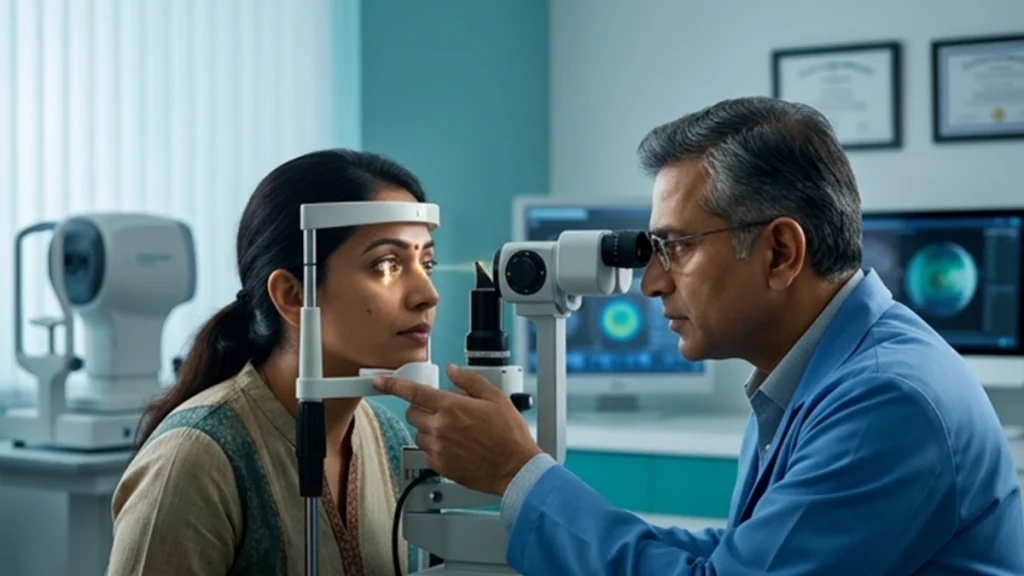
Ophthalmologists determine which of the cases of recurrent herpes keratitis is at hand through the means of patient history and in depth eye exam. A slit lamp exam is used to identify corneal inflammation. Fluorescein staining we use to bring to light surface damage which includes a dendritic ulcer. Also we may turn to the use of laboratory tests when the diagnosis is in question. Accurate diagnosis is what helps to tell Herpetic simplex virus keratitis apart from other infections which require different treatments.
Treatment Options for Recurrent Herpes Keratitis
Treatment of recurrent herpes keratitis is based on the degree of infection and which layers of the cornea are affected. Also we see that anti viral medications are prescribed by ophthalmologists to suppress the virus. In case of frequent episodes of recurrent herpes keratitis patients may require continuous oral antiviral therapy.
| Treatment | Purpose |
| Antiviral eye gel or ointment | Controls active surface infection |
| Oral antiviral medicines | Treats infection and may reduce recurrence |
| Specialist-prescribed steroid drops | Controls selected deeper corneal inflammation alongside antiviral treatment |
| Corneal transplantation | May restore vision in selected cases with severe scarring |
Steroid eye drops need to be used under specialists’ supervision as they may worsen active epithelial infection. In a study done by the US National Eye Institute it was reported that which took place over a 12 month period, preventive use of acyclovir in oral form reduced by 41% the recurrence of ocular herpes.
How Can Patients Prevent Repeated Eye Herpes?
Managing recurrent herpes keratitis is a chronic issue that requires a very regular approach. Patients should complete the full dose of their prescription, avoid eye rubbing, and improve hand hygiene. Protective sunglasses can also be worn in which very bright sunlight is present.Those with a past history of HSV keratitis should not self treat with steroid drops. Regular eye exams help to identify early inflammation which in turn reduces complications like that of corneal scarring.
Conclusion
Recurrent herpes keratitis is a condition that requires early diagnosis, proper antiviral treatment, and continuous eye care. Though the virus may reappear, with medical management we may reduce the frequency of breakouts and in turn protect vision.
At ASG Eye Hospital we have ophthalmologists that assess corneal health and put forth the best treatment option for each patient. Early attention to symptoms is key in minimizing complications and in preserving long term eye health.
Frequently Asked Questions
1. Can recurrent herpes keratitis be cured permanently?
The virus persists in the body which causes recurrent herpes keratitis to come back. Antiviral drugs may control the infection and also minimize the incident of future attacks.
2. Is recurrent herpes keratitis contagious?
The herpes simplex virus transmits through skin to skin contact of affected areas. As for recurrent herpes keratitis it does not usually spread through casual contact.
3. Can a dendritic ulcer heal completely?
A dendritic ulcer will heal with proper antiviral treatment. If treatment is delayed or repeated then the risk of complications may be increased.
4. Can recurrent herpes keratitis cause blindness?
Severe recurrences of herpetic keratitis may cause vision loss from corneal scarring or more serious damage to the cornea. Early intervention reduces that risk.
5. How often should patients with HSV keratitis visit an ophthalmologist?
Patients of HSV keratitis must have a very individualized care plan. At any sign of new pain, redness, or blurred vision prompt care is required.
References links
1. National Eye Institute (NEI), USA treatment.https://www.nei.nih.gov/eye-health-information/eye-conditions-and-diseases/corneal-conditions/other-types-corneal-disease?
2. National Health Service (NHS), UK https://www.nhs.uk/conditions/herpes-simplex-eye-infections/?