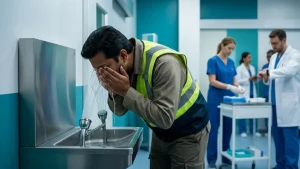
Watery eyes though may present as a minor issue, but frequent tearing is a sign of a problem with either tear production or drainage. Normal lacrimation which is the eye’s way of keeping its surface moist, smooth and comfortable is performed by tears. Also when there is over production of tears or they do not drain properly they may pool in the eyes and spill out on to the cheeks. This should be looked at when it is a persistent issue or is affecting daily activities.
What Is Lacrimation?
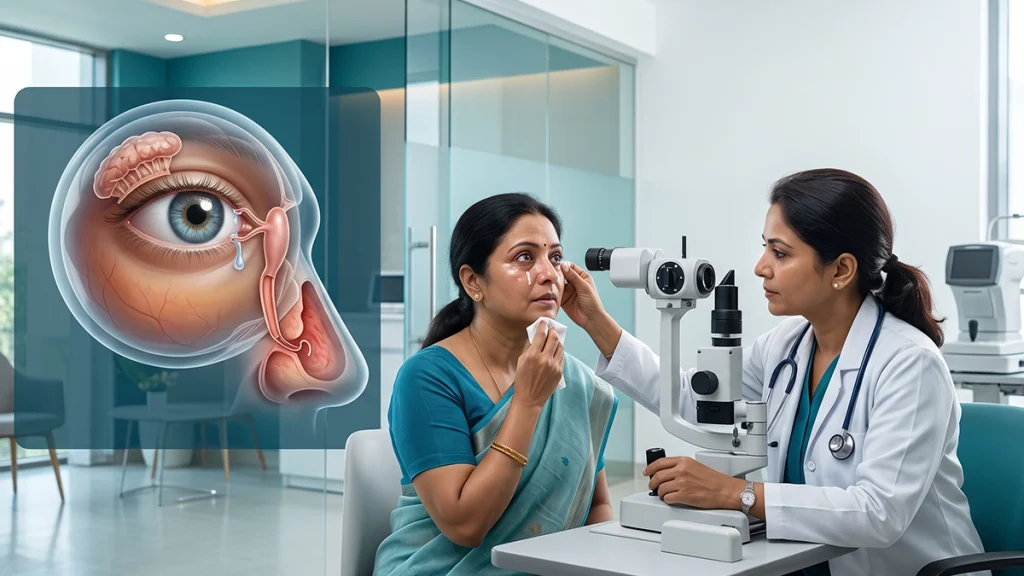
If you are looking up for the lacrimation meaning it is the production and secretion of tears. The lacrimal glands which are located above the eyes produce the watery component of tears. We blink which causes these tears to spread across the eye surface. They in turn pass through small drainage canals and at last make their way toward the nose.
This normal eye lacrimation process lubricates the eye and also removes dust and other irritants. Tears also support clear vision and protect the ocular surface. According to the National Eye Institute we blink which causes tears to spread across the cornea and then to drain through the tear ducts.
Some people searching for lacrimation meaning in Tamil may come across terms describing, which broadly refers to tear secretion. Regardless of language, persistent lacrimation needs evaluation when it occurs without an obvious emotional trigger.
What Causes Excessive Lacrimation?
Excessive lacrimation can develop either because the eye produces too many tears and that in which the drainage of these tears is poor. Irritation by dust, smoke, wind, allergies, conjunctivitis or a foreign body may be the cause of reflex lacrimation. Also, a surprisingly dry eye can lead to more tears. Unstable tear film which irritates the eye surface may in fact cause the eye to produce extra tears.
Problems with the tear drainage system also cause chronic lacrimation. Blocked or narrow tear ducts which do not allow proper drainage may result in tears overflowing. Issues with the lids, inflammation, infection and age related changes may play a role in this.
| Cause | How It Can Affect Lacrimation |
| Dry eye | Irritation may trigger reflex lacrimation |
| Allergy or infection | Inflammation can increase tear production |
| Blocked tear duct | Prevents normal drainage and causes overflow |
| Eyelid abnormality | Interferes with effective tear drainage |
| Dust, smoke or foreign body | Stimulates protective excessive lacrimation |
Lacrimation and Epiphora: Are They the Same?
Lacrimation is the secretion of tears, and epiphora usually comes into play when production of tears outpaces drainage or drainage is impeded.
In some people hyperlacrimation causes an over production of tears which is different from epiphora that may present in a person with normal tear production if there is a block in the tear drainage pathway. This distinction is what an ophthalmologist uses to determine the cause of persistent eye lacrimation.
What Is Chromolacryorrhea?
Chromolacryorrhea is a term for colored tears atypical of the norm. This is an uncommon condition which also does not fit into the normal range of lacrimation. Colored tears may present for a number of reasons which is why they should not be diagnosed by the individual. Should you notice that this is a recurring issue see an ophthalmologist for a proper evaluation.
How Are Lacrimal Disorders Diagnosed?
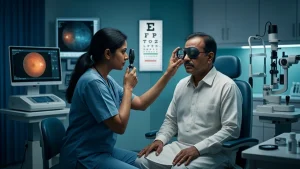
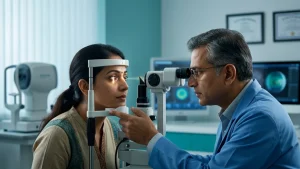
An ophthalmologist will first ask which eye the problem in lacrimation began in, if it is in one or both eyes, and what other symptoms are present like itching, pain, redness or discharge. The doctor may also do an examination of the eyelids, tear film, puncta and drainage system.
Tests can identify if hyperlacrimation is from over production of tears, eye surface irritation or poor drainage. In some cases the doctor will see how the fluid drains through the tear outflow system.
Treatment for Excessive Lacrimation
Treatment is based on the cause which is identified and not on the degree of tearing. For irritation or dry eye we may put in a recommendation for appropriate lubricating lacrimal eye drops or other remedies. It is advised that patients avoid over the counter medicated drops without professional advice.
Allergies and infections should be managed specifically. A blocked or narrowed tear duct may require more procedures for drainage. Correction of an eyelid abnormality also improves lacrimation and epiphora which in turn is a result of poor eyelid position which interferes with tear flow.
| Problem | Possible Treatment Approach |
| Dry or irritated eyes | Lubricating lacrimal eye drops when appropriate |
| Allergy | Allergy management advised by an eye doctor |
| Eye infection | Treatment based on the type of infection |
| Tear duct obstruction | Procedures to improve tear drainage |
| Eyelid abnormality | Medical or surgical correction when required |
Persistent excessive lacrimation should not be put to eye drops which are out of the blue. At ASG Eye Hospital we do an in depth evaluation which will tell us if the issue is related to tear production, ocular surface or the lacrimal drainage system.
Frequently Asked Questions
1. What is the simple lacrimation meaning?
The lacrimation meaning is the production of tears by the eyes. Normally lacrimation is what keeps the eye’s surface lubricated and protected.
2. What causes excessive lacrimation?
Excessive lacrimation may be a result of allergies, irritation, dry eye, infection, foreign bodies, eyelid issues or blocked tear drainage.
3. Is hyperlacrimation dangerous?
Hyperlacrimation is a symptom which in itself does not constitute a single disease. If hyperlacrimation is persistent it should be evaluated for what may be an underlying eye or drainage issue.
4. What is the difference between lacrimation and epiphora?
In the discussion of lacrimation and epiphora, which is a term for the production of tears and the other a term for troublesome excess of tears usually related to over production of or poor drainage of tears.
5. Can lacrimal eye drops stop watery eyes?
Lacrimal eye drops do so for dry eye and ocular surface irritation which in turn may cause watery eyes. They don’t, however, fix all causes of watery eyes which include a blocked drainage pathway.
6. Should chromolacryorrhea be checked by a doctor?
Yes. Chromolacryorrhea, or unusually coloured tears, is uncommon. An ophthalmologist should assess recurrent changes in tear colour.
Conclusion
Occasional eye lacrimation is a normal protective function. But persistent lacrimation may be a sign of irritation, dry eye, infection, change in the lid or a blocked tear duct. Also as both over production of tears and poor drainage may present the same symptoms, diagnosis is key. If the excessive lacrimation is accompanied by pain, redness, swelling, discharge or change in vision see an eye specialist at ASG Eye Hospital for proper diagnosis and treatment.
Medical Reference Links
National Eye Institute – How Tears Work: https://www.nei.nih.gov/eye-health-information/healthy-vision/how-eyes-work/how-tears-work
National Eye Institute – Dry Eye: https://www.nei.nih.gov/eye-health-information/eye-conditions-and-diseases/dry-eye