Your eyes are a window to your total health which may be more than you think. Diseases like diabetes, Hypertension, and high cholesterol which affect the blood vessels in the body also do so in the tiny vessels within the eyes. In fact, some Diseases That Affect Eyes very slowly without a person noticing any change in their vision.
The retina is very sensitive to blood flow changes. Poor blood sugar, pressure, or cholesterol control over time will affect Retina Health. By understanding these relationships you may protect your eyesight and health.
Why Your Overall Health Matters to Your Eyes
The retina which is the light sensitive tissue at the back of the eye. It requires a health network of small blood vessels. When those vessels become damaged vision can suffer.
Diabetes, Hypertension, and high cholesterol are issues which affect the whole body including the eyes. When you have two or more of these conditions at the same time Retina Health may see a greater risk.
| Health Condition | Possible Effect on the Eyes |
| Diabetes | Diabetic retinopathy, macular swelling, cataract and increased glaucoma risk |
| Hypertension | Damage to retinal blood vessels and possible retinal changes |
| High cholesterol | May contribute to vascular problems affecting the retina |
How Diabetes Can Damage Your Eyes
Diabetes is a large group of Diseases That Affect Eyes. What happens is that persistent high blood sugar damages the small retinal blood vessels. This damage in turn leads to Diabetic Retinopathy which is a type of Diabetes Eye Disease.
At first stages of Diabetes Eye Disease you may not notice any symptoms. As it progresses damaged blood vessels may leak out blood or fluid. Some people develop blurry vision, floaters, dark spots or reduced vision.
The National Eye Institute reports that diabetic retinopathy is a cause of vision loss and blindness. Also they note that high blood pressure and high cholesterol play a role in that.
Managing blood pressure is key to Retina Health. For people with diabetes it is not a time to put off an eye exam until symptoms present.
How High Blood Pressure Affects the Retina
Hypertension puts strain on blood vessel walls all over the body. In the delicate retinal vessels we also see damage.
Over time, uncontrolled Hypertension may also cause retinal blood vessels to atrophy or even to die. A term used is hypertensive retinopathy. While in the early stages it may not cause change in vision symptoms, routine eye tests to check these issues are important.
Among the many Diseases That Affect Eyes, blood pressure related retinal changes are of note as they may present without symptoms. To protect Retina Health we must also manage blood pressure in addition to treating any present eye condition.
The National Eye Institute tells those who have diabetes or high blood pressure to put in that they see their doctor what the frequency of the dilated exam should be. Also for most it is at least once a year.
What Does High Cholesterol Have to Do With Your Eyes?
High blood cholesterol can also lead to fat buildup and arterial disease. In that process there is a change which in turn affects blood flow through the body ‘s arteries and in what is related to Retina Health.
High cholesterol is of most concern when it is also present with diabetes or Hypertension. The CDC reports high blood sugar, blood pressure, and cholesterol as risk factors for diabetic retinopathy.
For a person that has Diabetes Eye Disease, to begin with, we see that control of cholesterol is an element of overall health care. This is to say that we should not always look at eye care in isolation from cardiac and vascular and metabolic health.
| What to Monitor | Why It Matters for Eye Health |
| Blood sugar | Helps reduce the risk or progression of Diabetes Eye Disease |
| Blood pressure | Helps protect delicate retinal blood vessels |
| Cholesterol | Supports healthier circulation and vascular health |
| Regular eye examinations | Can identify Diseases That Affect Eyes before major vision changes occur |
Protecting Your Vision When You Have Diabetes, Hypertension or High Cholesterol
Good eye care also includes control of the base health issue. We see that which diabetes is managed within the range the doctor has prescribed we are able to reduce the risk of Diabetes Eye Disease. Also report your blood pressure and cholesterol levels to be in check for long term Retina Health.
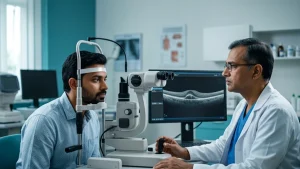
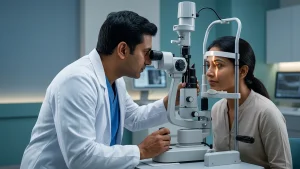
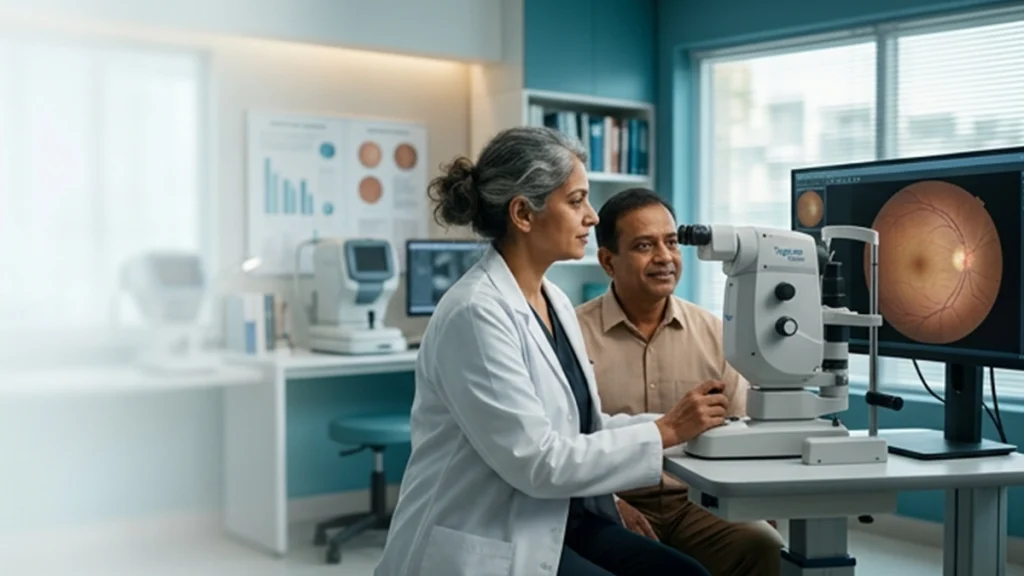
Regular in depth eye exams also do so because many Diseases That Affect Eyes present no symptoms in their early stages. An ophthalmologist is able to see the retina and note changes which may go unnoticed by you.
Sudden onset of blurry vision, flashes, new floaters, dark spots or acute vision loss should not be dismissed. Early assessment is key to determine if what is present is Diabetes Eye Disease Retinopathy or some other retinal issue that may require treatment.
Conclusion
Diabetes, Hypertension, and high cholesterol impact not only general health but also the small blood vessels which in turn affect healthy vision. Many Diseases That Affect Eyes present with no pain or clear warning signs which is why prevention and early detection is so important.
Controlling your blood sugar, blood pressure, and cholesterol will support Retina Health and also reduce the risk of Diabetes Eye Disease. At ASG Eye Hospital we also recommend regular comprehensive eye exams which may help to identify issues at an early stage and in turn allow for prompt treatment as required.
Frequently Asked Questions
1. Can diabetes damage the eyes even if my vision seems normal?
Yes. Diabetes Eye Disease may present with no early signs. Get in the habit of having dilated eye exams which can identify retinal changes before you see large scale vision issues.
2. Does Hypertension cause vision problems?
Yes. Over time Hypertension pressure can harm retinal blood vessels. In severe or uncontrolled cases blood pressure may raise the risk of serious eye complications.
3. Does high cholesterol affect Retina Health?
High cholesterol is a risk factor for vascular issues. In association with diabetes or Hypertension it may raise issues related to Retina Health and diabetic retinopathy.
4. Which Diseases That Affect Eyes are linked with diabetes?
Important in the field of ophthalmic complications of diabetes are diabetic retinopathy, diabetic macular edema, cataract and glaucoma. Diabetes related eye diseases also require regular monitoring as some of these conditions may present without early signs.
5. How often should people with diabetes get their eyes checked?
The National Eye Institute reports that diabetics should have a comprehensive dilated eye exam on an annual basis which is to say some may require more frequent follow up.
Government & Authoritative Reference Links
National Eye Institute (NIH) – Diabetic Retinopathy:
https://www.nei.nih.gov/eye-health-information/eye-conditions-and-diseases/diabetic-retinopathy