Many people try eye exercises hoping to reduce eye strain, sharpen their sight, or avoid glasses. Social media also promotes routines that claim to improve eyesight naturally. But can moving, focusing, or relaxing your eyes actually change how clearly you see?
The answer depends on what you want to improve. Certain eye exercises can support specific problems involving eye coordination and focusing. However, they cannot usually correct refractive errors such as myopia, hyperopia, or astigmatism. Understanding this difference can help you set realistic expectations and protect your eye health.
What Are Eye Exercises?
Eye exercises are structured activities designed to make the eyes work together more effectively. They may involve shifting focus between near and distant objects, following a moving target, or practising controlled convergence.
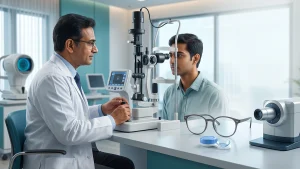
These activities are sometimes included in professional vision therapy. A specialist may recommend them when a person has a diagnosed problem with binocular vision or eye coordination.
People also use simple eye exercises as part of an eye fitness routine. These activities may feel relaxing after prolonged reading or screen use. However, feeling more comfortable does not necessarily mean your prescription or visual acuity has changed.
Can Eye Exercises Improve Eyesight?
Whether eye exercises can improve eyesight depends on the underlying problem. Nearsightedness, farsightedness, and astigmatism usually occur because of the eye’s shape or optical focusing characteristics. Exercises cannot reshape the eyeball or reliably remove these refractive errors.
However, targeted eye exercises may help certain binocular vision problems. One important example is convergence insufficiency. In this condition, the eyes have difficulty working together while looking at nearby objects.
The U.S. National Eye Institute explains that convergence insufficiency can cause blurred or double vision during close work. Treatment may include vision therapy and convergence exercises.
| Vision concern | Can eye exercises help? | Usual approach |
| Myopia | Generally no | Glasses, contact lenses or other doctor-recommended correction |
| Hyperopia | Generally no | Appropriate vision correction |
| Astigmatism | Generally no | Glasses, contact lenses or other suitable treatment |
| Convergence insufficiency | They may help | Supervised vision therapy |
| Screen-related eye fatigue | May provide comfort | Breaks, blinking and healthy screen habits |
Understanding Vision Therapy
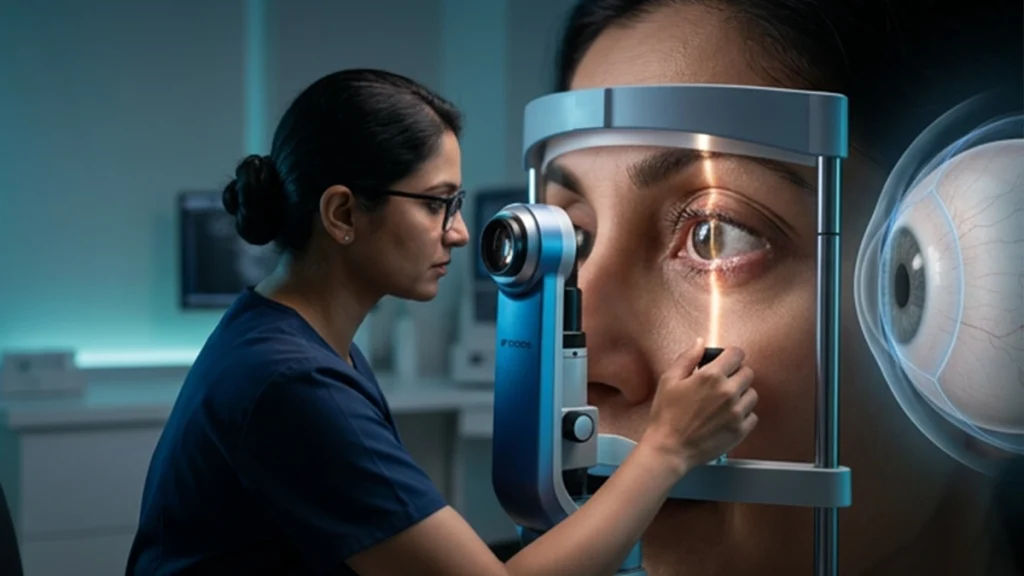
Vision therapy is different from randomly following an online exercise routine. It involves structured activities selected for a specific visual problem after an appropriate eye assessment.
For convergence insufficiency, vision therapy can train the eyes to coordinate more effectively during near work. The National Eye Institute notes that convergence exercises may form part of treatment, including specialist-guided activities and exercises performed at home.
This is why eye exercises should not be treated as a universal cure. Effective vision therapy has a defined purpose and should address a diagnosed visual condition.
Eye Fitness and Digital Eye Strain
Modern routines often involve hours of phones, laptops, tablets, and other digital screens. Long periods of near work can leave the eyes feeling tired, dry, or uncomfortable.
Simple eye exercises, frequent blinking, and regular distance breaks can form part of an eye fitness routine. Looking away from a screen periodically allows the focusing system to relax. These habits may improve comfort, but they do not necessarily improve eyesight or remove the need for prescription glasses.
Think of eye fitness as supporting visual comfort rather than changing the physical structure of the eye.
| Practice | Possible benefit | What it cannot do |
| Near-to-far focusing | Gives the focusing system a change in demand | Permanently correct myopia |
| Conscious blinking | Helps maintain the tear film | Correct refractive error |
| Distance breaks | May reduce screen-related fatigue | Replace prescription glasses |
| Prescribed convergence eye exercises | May improve eye coordination in selected patients | Treat every vision problem |
| Supervised vision therapy | Targets diagnosed binocular vision problems | Guarantee perfect vision |
Should Children Do Eye Exercises?
Parents sometimes consider eye exercises when a child struggles with reading or close work. However, these symptoms need proper assessment before starting vision therapy.
A child with convergence insufficiency may experience headaches, tired eyes, blurry vision, double vision, or difficulty concentrating during close activities. The National Eye Institute recommends an eye evaluation when these symptoms occur.
Professionally prescribed eye exercises may support selected children, but exercises should not replace a comprehensive eye examination.
Can Eye Exercises Replace Glasses?
In most cases, no. Eye exercises cannot reliably eliminate glasses when refractive error causes blurred vision.
Glasses and contact lenses help focus incoming light correctly. Eye fitness activities work differently. They may support comfort or coordination but cannot provide the optical correction needed for refractive errors.
If your goal is to improve eyesight, an eye examination can identify the actual cause of blurred vision. Your ophthalmologist can then recommend suitable treatment.
Conclusion
Eye exercises have a useful but specific role in eye care. They may help selected problems involving focusing, convergence, and eye coordination, particularly when used as part of professional vision therapy. They may also support visual comfort during demanding near work.
However, eye exercises should not be viewed as a guaranteed method to improve eyesight or permanently remove glasses. A healthy eye fitness routine can complement good visual habits, but it cannot replace diagnosis or treatment.
If you experience persistent blurred vision, headaches, double vision, or eye strain, consider a comprehensive eye examination at ASG Eye Care. Identifying the cause first makes it easier to choose an effective and medically appropriate solution.
Frequently Asked Questions
1. Do eye exercises really improve vision?
Eye exercises may improve coordination or focusing ability in certain diagnosed conditions. They generally do not permanently correct myopia, hyperopia, or astigmatism.
2. Can eye exercises improve eyesight naturally?
They may improve visual comfort or specific eye coordination skills. However, there is no strong evidence that routine exercises can improve eyesight by permanently removing common refractive errors.
3. What is vision therapy?
Vision therapy is a structured treatment approach that uses specific visual activities to address selected problems involving eye coordination and binocular vision.
4. Are eye exercises useful for screen users?
Simple eye exercises, blinking, and distance breaks may reduce discomfort after prolonged screen use. An eye fitness routine can support comfort, but persistent symptoms need professional evaluation.
5. How often should I perform eye exercises?
The frequency depends on why you are doing them. If eye exercises form part of prescribed vision therapy, follow the schedule recommended by your eye care professional.
6. Can eye fitness prevent the need for glasses?
No routine eye fitness programme can guarantee that you will never need glasses. Refractive errors depend on several factors that exercises alone cannot control.
Government / Authoritative Reference
National Eye Institute (NEI) – Convergence Insufficiency
https://www.nei.nih.gov/eye-health-information/eye-conditions-and-diseases/convergence-insufficiency