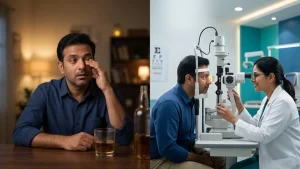
People see an eye care professional only once symptoms present themselves like blurred vision, redness or discomfort. Also some eye conditions do not present early signs. A full eye exam is done to check visual acuity and also to have the ophthalmologist look at the cornea, lens, retina and optic nerve. The National Eye Institute reports that a dilated eye exam can identify many eye diseases before symptoms appear.
This easy to use guide addresses your eye health questions which includes info on exams, screens, glasses, contact lenses, nutrition, kids’ eyesight and acute symptoms. Also we share practical eye care tips which you can put into practice at home. The information supports better vision care, but it does not replace an examination or personalised medical advice.
Why Regular Eye Examinations Matter
An eye test goes beyond that of spectacle power. Based on age, history and symptoms, ophthalmologists may assess focusing, alignment, pressure and internal eye structures. Some conditions which include glaucoma and diabetic retinopathy may progress very slowly. India’s National Program for Control of Blindness and Visual Impairment includes cataract, refractive errors, glaucoma, diabetic retinopathy, childhood blindness and corneal blindness.
Examination intervals will vary. That which pertains to people with diabetes, past surgeries, high spectacle power, family history or present condition may require more frequent monitoring. Of the most useful eye care tips is to adhere to the schedule put forth at your last exam.
Common Symptoms and What to Do
| Symptom or Situation | What It May Suggest | Recommended Action |
| Gradual blurred vision | Refractive error, dry eye, cataract or another condition | Arrange a routine examination |
| Sudden loss of vision | A retinal, vascular, neurological or other urgent problem | Seek emergency medical attention |
| Redness with pain | Infection, inflammation, injury or raised eye pressure | Obtain urgent assessment |
| New flashes or many floaters | Possible vitreous or retinal change | Arrange a prompt dilated retinal examination |
| Itching in both eyes | Allergy or surface irritation | Avoid rubbing and consult a doctor if persistent |
| Chemical splash | Potential surface injury | Rinse immediately with clean water and seek urgent care |
This table offers general direction, not a diagnosis. Among the most important eye health questions is whether a symptom began suddenly and whether it is accompanied by pain, light sensitivity, injury or reduced vision. Also these warning signs should not be managed by home remedies.
How Often Should I Get My Eyes Checked?
There is not a standard timeline which fits all. In pediatrics, contact lens wearers, adults over 40, diabetics and those on current treatment other review intervals may be required. Talk to your ophthalmologist about your risk factors; also the National Eye Institute says to base it at least in part on individual risk.
Keep your past prescriptions and surgery records. Keeping them is among practical eye care tips that support continuity, while regular reviews remain part of vision care.
Is a Dilated Eye Examination Necessary?
Dilation of the pupil is performed which in turn temporarily increases the size of the pupil thus allowing the doctor to see the retina and the optic nerve better. It may be recommended by age, diabetes, symptoms present, family history or some other risk factor. Several eye health questions cannot be answered fully by reading an eye chart alone. The National Eye Institute describes dilation as an important way to detect many diseases early, including before symptoms appear.
After dilating, near vision may be out of focus and lights may seem too bright. Sunglasses and structuring transport is recommended for better vision care.
Can Screen Time Permanently Damage the Eyes?
Uninterrupted computer use can cause dry eyes, fatigue, temporary blurry vision or headaches. Also at play may be reduced blink rate, close work for long periods, glare and an out of date prescription. Helpful eye care tips include regular visual breaks, conscious blinking, comfortable viewing distance and reduced reflections.
Persistent pain, double vision or headaches should be assessed; in terms of vision care we go beyond screen brightness. Also we see to it that children get out more and we do regular checks.
Does the 20-20-20 Rule Help?
The rule says that what is to be done is to look at something 20 feet away for 20 seconds after you have done 20 minutes of near work. It is a break reminder which is practical, not a cure for eye disease. Continuing symptoms still require professional eye care, especially when a person holds a phone unusually close or closes one eye while reading.
Are Carrots Enough for Healthy Eyes?
Carrots have beta-carotene which the body uses to produce vitamin A. We may also note that no single food is the key to good eye health. What does play a larger role is balance in diet, physical activity, also avoiding tobacco and managing diabetes and high blood pressure. Also from the National Eye Institute which reports that as a part of a whole health approach to care for healthy food choices, activity and management of health issues which are not eye specific do in fact play a role in protecting vision.
Nutrition is one of the eye health questions surrounded by exaggerated claims. For proper vision care care you do not need to turn to supplements which promise better sight, you should see a doctor for a diagnosed issue before taking them.
Can I Use Any Over-the-Counter Eye Drop?
No. Redness, itching, watering and dryness are of different causes which in turn may delay diagnosis with the wrong treatment. In terms of safe eye care check the seal, expiry date and instructions, also keep the bottle tip away from the eye, eyelid and fingers. The FDA reports that eye medications have specific safety issues and they advise you to discuss your treatment options with a health care professional.
Do not share drops or use left over prescriptions. Steroids in eye drops should not be used for self treatment as they may worsen certain infections and cause issues without supervision. This is a very important aspect of eye care tips for people which have issues with recurrent redness.
How Should Contact Lenses Be Cared For?
Contact which are medical devices. Before you handle them, wash and dry your hands, follow the replacement schedule, use the recommended solution and keep the lenses away from tap water. As a rule from your eye care professional do not sleep, swim or shower in them. The CDC reports that improper wear, clean or storage of contact lenses increases the risk of infections like microbial keratitis.
Responsible vision care includes backup glasses. Also report in to get help if you have pain, redness, discharge, light sensitivity or blurred vision.
Are Cosmetic Contact Lenses Safe Without a Prescription?
Decorative lenses fit directly on the eye and must be of proper fit. Buying them for looks or design only is to do so at risk of eye scratch, poor oxygen supply or infection. The CDC reports that decorative lenses which are obtained without a prescription put out great risk to health and the FDA classifies contact lenses as medical devices.
Professional fitting is key in eye care. Among festival and wedding eye care tips, never borrow lenses from another person and never reuse a damaged or contaminated lens.
Do Sunglasses Really Protect the Eyes?
Sunglasses which state they have ultraviolet protection are what you want for reducing UV exposure; dark doesn’t mean protected. A hat also gives you extra coverage outside. The National Eye Institute says wear sunglasses and protective eyewear for your eye health.
Good vision care includes wearing proper fitting sunglasses and never looking directly at the sun which should be viewed only through certified solar viewing glasses.
Vision Needs at Different Life Stages
| Life Stage | Common Concerns | Main Focus |
| Infants and toddlers | Eye alignment and visual development | Observe behaviour and attend screening or referral |
| School-age children | Refractive error, squint and lazy eye | Watch classroom performance and arrange timely checks |
| Young adults | Screens, contact lenses and sports injury | Use safe lens habits, breaks and protective eyewear |
| Adults over 40 | Near-vision change and pressure-related disease | Follow personalised examination intervals |
| People with diabetes | Retinopathy, cataract and glaucoma risk | Maintain medical control and attend retinal checks |
| Older adults | Cataract, glaucoma and retinal conditions | Report changes early and continue regular reviews |
Age-appropriate vision care matters. Kids may not notice they have bad vision, and in seniors some changes are written off as a natural part of aging. At early assessment we sort out which changes in prescription are routine and which are from conditions that need to be treated.
How Can Parents Notice a Possible Vision Problem?
Frequent squinting, reporting of double vision, an eye which turns in or out, headaches which present repeatedly, trouble copying from the board or with reading can bring about an eye exam. These signs do not establish a diagnosis but they should not be ignored.
Useful eye care tips for parents is to talk to teachers about what is going on in the class and to not wait for your child to bring up issues. School screening is not a substitute for a full exam when there are present symptoms or in case of family history. In India’s blindness control program childhood blindness and refractive errors are focused on.
Why Is Diabetes Important for Eye Health?
Diabetes causes injury to small blood vessels in the retina and also puts one at risk for other eye problems. Symptoms of diabetic retinopathy do not always present themselves which is a reason why retinal exams are so important. The National Eye Institute reports that diabetic retinopathy is a primary cause of vision loss in diabetics and also that diabetes is a risk factor for cataract and glaucoma.
For individuals that have diabetes blood sugar, blood pressure and cholesterol control is important but they do not take the place of an eye exam. As to important eye health questions, often retinal exams are needed and what role pregnancy or recent health changes play in that schedule.
Can Wearing Glasses Make the Eyes Weak?
Correct use of glasses does not weaken the eyes. They correct the light path which in turn improves focus on the retina, which in term makes vision clear while the glasses are worn.
Personalised vision care is important for kids with amblyopia, strabismus or large refractive errors; they should wear their prescribed glasses as directed.
Can Eye Exercises Remove Spectacle Power?
Routine corrective exercises in fact do not permanently get rid of what are common refractive errors like myopia, hyperopia or astigmatism. For some binocular vision issues therapy may be done under supervision but it is not to say that it is a universal alternative to glasses, contact lenses or refractive surgery. It is best to give clear answers to eye health questions which differentiate between what is condition based treatment and what is put forth by online health promises.
Helpful eye care tips are to check your prescription and talk about the benefits and what is limited with each correction option. For refractive surgery we assess the cornea, tear film and overall eye health.
When to Consult ASG Eye Care
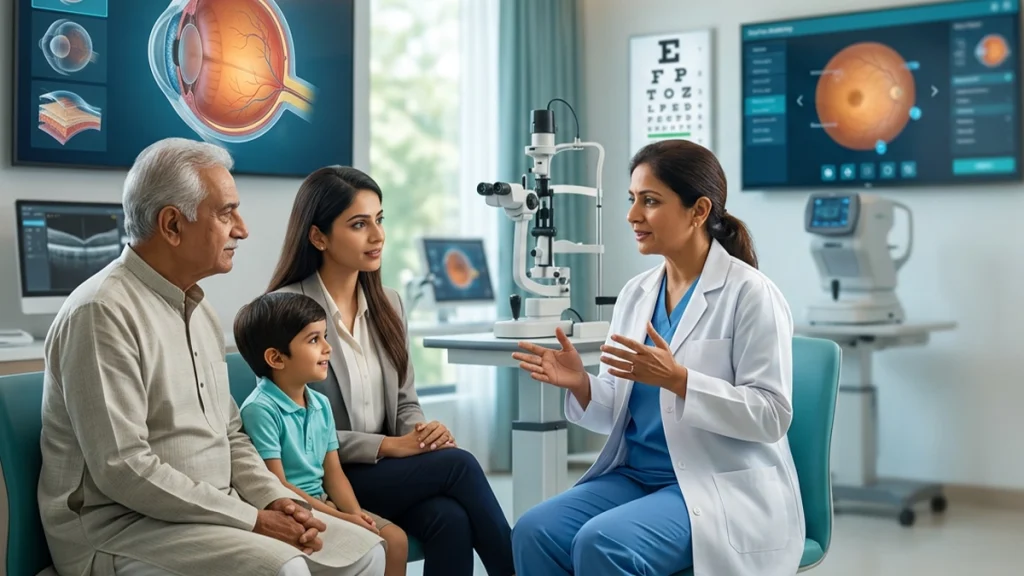
Arrange a visit at the first sign of vision change, your glasses no longer correct your sight, you see screen symptoms which do not go away, a child reports he may have a vision issue, or you have diabetes, a family history of eye disease or a past eye condition. Go to the emergency room for sudden loss of sight, severe pain, chemical injury, trauma, new flashes with many floaters, or redness which also includes a reduction in your field of vision.
Attend proper exams, take medicine and contact lenses safely, protect the eyes from injury and at the first sign of something amiss.
Frequently Asked Questions
1. Can Lack of Sleep Cause Blurry Vision?
Poor sleep does play a role in tired, dry or uncomfortable eyes but it is not the sole cause for persistent or one sided blur. See an eye care professional if the symptom persists, comes back or presents with pain, redness or headache.
2. Why Do Dry Eyes Sometimes Water?
Dry eye may present with tearing at times, also do note that allergies, infections, blocked drainage and eyelid issues can cause excessive tear production. It is important for persistent or one of the eye health questions that needs examination rather than guesswork.
3. Should I Buy Blue-Light Glasses?
Some people report to have had success with certain coatings, at the same time blue light glasses do not equate to a break, good distance, appropriate lighting and a proper prescription.
4. Can Cataracts Be Prevented Completely?
Age-related cataracts aren’t always prevented. We see that which are avoidable we reduce them, protect eyes from UV exposure, avoid tobacco and manage diabetes which in turn supports overall health. The National Eye Institute reports that cataract is a condition in which the eye’s lens clouds and they put out age, diabetes, injury and certain medicines as relevant factors.
5. Is Rubbing the Eyes Harmful?
Frequent and forceful rubs may actually increase irritation in certain cases and also at times may damage the cornea. For better care we do suggest that instead of rubbing, try cool compresses which may bring relief. Also it’s best to consult with an eye care professional on remedies instead of constantly rubbing your eyes out.
6. When Should Floaters Be Checked?
A sudden appearance of floaters and flashes, a retinal shadow which may be in a curtain like form, or loss of side vision require immediate retinal exam for these may be signs of retinal detachment.
7. Can Home Remedies Cure an Eye Infection?
Uncontaminated substances may cause eye problems which in turn may aggravate irritation or which may interfere with proper treatment. Symptoms such as pain, discharge, light sensitivity, injury or reduced vision require professional eye care, not a homemade preparation.