ASG Eye Hospital

Angle-Closure Glaucoma Warning Signs vs Open-Angle Glaucoma: What Patients Should Know

Glaucoma which affects the optic nerve and in some cases results in permanent vision loss. Some forms progress slowly with little noticeable effect, while others may present an emergency. In the case of acute angle closure glaucoma warning signs which should trigger an immediate response. Also by being aware of the differences between open angle glaucoma, narrow angles and high eye pressure patients can make better informed health decisions.

Understanding the Two Types of Glaucoma

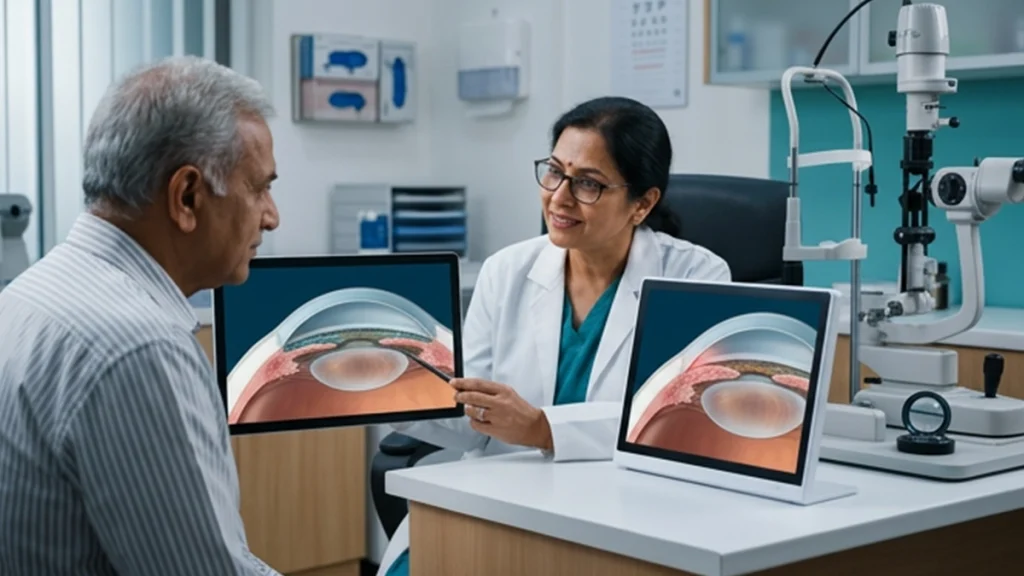
In open angles glaucoma what we see is that fluid drains out of the eye less so through the eye’s drainage tissue. Pressure which may increase over time causes damage to the optic nerve. Often there are no early symptoms which is why regular exams are very important. In angle closure glaucoma we note that the warning signs are different as an acute attack may cause pressure to rise very quickly.

People that have narrow angles which is the space between the iris and the cornea is reduced. This is not to say that glaucoma will definitely develop. But an ophthalmologist may recommend a regular check up or a preventative treatment. When drainage is blocked acute sudden eye pressure which may cause loss of sight may present.

Symptoms Patients Should Never Ignore

Angle closure glaucoma symptoms may present as very intense eye pain, redness, blurred vision, headache, nausea and vomiting. Also some people report seeing colored rings around lights. This may happen suddenly. At first sign of these issues it is important that patients go to the emergency care setting so as to avoid serious damage. 

Unlike in acute attacks which present rather suddenly, open angle glaucoma tends to produce no early symptoms. Peripherally vision may wear away slowly and by the time a patient notices the change it may be too late. That is why open angles glaucoma may go unnoticed till the disease has well advanced.

FeatureAngle-closure glaucomaOpen-angle glaucoma
OnsetMay be suddenUsually gradual
Early symptomsPain, redness, blurred vision, halos or nauseaOften no noticeable symptoms
Eye pressureMay rise rapidly during an attackMay rise gradually or remain within the usual range
UrgencyAcute symptoms require emergency carePrompt diagnosis and ongoing treatment are important

In many angle closure glaucoma warning signs may be dismissed as just tired eyes or a common headache. If you have severe eye pain which also brings in redness, blurred vision or nausea go to the emergency eye care unit. Pressure may rise very quickly to damage the optic nerve.

Who Is at Risk?

Age at which symptoms present, family history of the disease, and the anatomic structure of the eye may play a role in glaucoma risk. Narrow angles may cause blockage of fluid outflow but it is also true that many people who have narrows angles will never have an acute attack. Only an eye examination can establish the drainage angle’s appearance.

Patients diagnosed with narrows angles should ask their ophthalmologist what their risk is and if preventive laser treatment is right for them. Also they should know the angle closure glaucoma warning signs and have the information on hand for emergency care. A history of sudden eye pressure should be reported to your doctor right away.

People which have a family history of open angle glaucoma should see an eye specialist for a screening. Also as open angle glaucoma may present with no symptoms it is smart to get regular eye exams. Full eye exams play a role in early detection.

Diagnosis and Treatment

An ophthalmologist may measure eye pressure, examine the optic nerve, assess the drainage angle and test peripheral vision. Imaging scans can help document optic nerve changes. These assessments help distinguish open angle glaucoma from angle-closure problems and guide treatment.

Age, family history and eye anatomy play a role in glaucoma risk. Wide angles which in some present with a blockage to outflow, yet many people with narrow angles go on to not have an acute attack. Only through an eye exam that the appearance of the drainage angle is determined.

The angle closure glaucoma warning signs are not a substitute for routine screening. Some forms of glaucoma present with no apparent symptoms. If you are having sudden eye pressure issues, severe pain or sudden blurred vision you should go to the emergency room. angle closure glaucoma warning signs should at all times be reported to a health care professional immediately even if it appears they may be improving.

Conclusion

Understanding which angle closure glaucoma warning signs may save a patient’s sight in a crisis. In open-angle glaucoma the disease may progress very slowly and almost unnoticed, while in narrows angles there is a greater risk of the drainage of fluid being blocked. Do not dismiss symptoms of sudden eye pain or pressure. Timely emergency care and routine comprehensive eye exams are key in protecting your long term vision.

Frequently Asked Questions

1. Can glaucoma develop without symptoms?

This issue may present with no symptoms at all in the early stages. Regular comprehensive eye exams are key to detecting the changes which may lead to vision loss at a later stage.

2. Do narrow angles always lead to glaucoma?

No. Narrows angles do not automatically mean glaucoma or an acute attack. An ophthalmologist can examine the drainage angle and advise monitoring or preventive treatment if needed..

3. What should patients do if eye pain starts suddenly?

Severe pain, redness, blurred vision, halos or nausea are signs of angle closure glaucoma. These symptoms may indicate a sudden rise in eye pressure which requires immediate emergency eye care.

4. Can glaucoma-related vision loss be reversed?

Damage already caused to the optic nerve generally cannot be reversed. Treatment aims to lower pressure and slow or prevent further damage, making early diagnosis and follow-up important.

References Links

National Eye Institute, US — Glaucoma: https://www.nei.nih.gov/eye-health-information/eye-conditions-and-diseases/glaucoma
Overview

Job Title: Consultant Ophthalmologist

Location: Pan India
Job Category: Medical Healthcare

Work Employment:  Full time

What you work:

  • Diagnose and treat patients with a focus on Ophthalmologist.
  • Collaborate with senior doctors and multidisciplinary teams.
  • Ensure patient-centric care and follow clinical protocols.
  • Contribute to research, training, or hospital initiatives (if applicable).

Mandatory skills:

  • Relevant medical degree / certification.
  • Strong knowledge of ophthalmology practices / healthcare protocols.
  • Excellent communication and patient-handling skills.
  • Ability to work in fast-paced healthcare environments.

Preferred Qualifications:

  • Experience: 3 to 6 years of experience
  • Prior experience in eye care / multi-speciality hospitals.
  • Fellowship or advanced training in Ophthalmologist.
  • Familiarity with advanced diagnostic tools and surgical techniques.
  • Passion for innovation, patient care, and continuous learning.

Apply For This Positions

This will close in 0 seconds

Overview

Job Title: Optometrist

Location: Amritsar, Punjab 

Job Category: Optometry

Work Employment:  Full time

What you work:

  • Conduct comprehensive eye examinations and vision assessments for patients of all ages.
  • Prescribe and fit spectacles, contact lenses, and low-vision aids.
  • Perform diagnostic tests including refraction, tonometry, perimetry, and OCT imaging.
  • Support consultant ophthalmologists in pre-operative and post-operative patient workups.
  • Counsel patients on eye care, lens hygiene, and follow-up schedules.
  • Maintain accurate clinical records and adhere to hospital protocols.

Mandatory skills:

  • Bachelor’s or Master’s degree in Optometry (B.Optom / M.Optom) from a recognised institution.
  • Valid registration with the relevant state or national optometry council.
  • Proficiency in refraction, slit-lamp examination, and contact lens fitting.
  • Working knowledge of autorefractors, tonometers, fundus cameras, and OCT equipment.
  • Strong communication skills in English, Hindi, and Punjabi.
  • Ability to manage high patient volumes in a fast-paced clinical setting.

Preferred Qualifications:

  • Experience: 1 to 5 years of clinical optometry experience.
  • Prior experience in an eye care or multi-speciality hospital in Punjab.
  • Exposure to paediatric optometry, binocular vision, or low-vision rehabilitation.
  • Familiarity with advanced diagnostic imaging and dry-eye management.
  • Passion for patient care, community eye-health camps, and continuous learning.

Apply For This Positions

This will close in 0 seconds

Overview

Job Title: Optical In-charge 

Location: Panjim, Goa / Mumbai-Worli (Lower Parel) 

Job Category: Optical

Work Employment:  Full time

What you work:

  • Manage day-to-day operations of the optical outlet, including sales, dispensing, and inventory.
  • Guide customers on frame selection, lens options, and coatings based on their prescription and lifestyle.
  • Take accurate frame measurements and ensure precise fitting, adjustments, and after-sales service.
  • Drive optical sales targets and monitor daily, weekly, and monthly business performance.
  • Maintain optimum stock levels, coordinate with vendors, and control shrinkage through periodic audits.
  • Supervise and train optical staff on product knowledge, dispensing standards, and customer service.
  • Coordinate with optometrists and consultants to ensure smooth prescription-to-delivery flow.
  • Ensure visual merchandising, display hygiene, and adherence to brand and hospital standards.

Mandatory skills:

  • Diploma or Bachelor’s degree in Optometry (D.Optom / B.Optom) or equivalent optical dispensing qualification.
  • Minimum 3 years of experience in optical supervisory or in-charge role.
  • Sound knowledge of lens types, coatings, frame materials, and dispensing principles.
  • Hands-on experience with edging, fitting, and basic optical workshop equipment.
  • Proven ability to achieve sales targets and manage inventory and billing systems.
  • Strong communication and interpersonal skills in English, Hindi, and Konkani or Marathi.
  • Working knowledge of POS / retail software and MS Office.

Preferred Qualifications:

  • Experience: 3 to 7 years in optical retail or an eye care hospital optical division.
  • Prior experience managing an optical outlet in Goa or the western region.
  • Exposure to premium and progressive lens brands and specialty eyewear.
  • Familiarity with contact lens dispensing and after-care support.
  • Team leadership, customer relationship management, and continuous learning mindset.

Apply For This Positions

This will close in 0 seconds

Overview

Job Title: Optometrist

Location: Pan India 


Job Category: Optometry

Work Employment:  Full time

What you work:

  • Conduct comprehensive eye examinations and vision assessments for patients of all ages.
  • Prescribe and fit spectacles, contact lenses, and low-vision aids.
  • Perform diagnostic tests including refraction, tonometry, perimetry, and OCT imaging.
  • Support consultant ophthalmologists in pre-operative and post-operative patient workups.
  • Counsel patients on eye care, lens hygiene, and follow-up schedules.
  • Maintain accurate clinical records and adhere to hospital protocols.

Mandatory skills:

  • Diploma / Bachelor’s or Master’s degree in Optometry (D.Optom / B.Optom / M.Optom) from a recognised institution.
  • Valid registration with the relevant state or national optometry council.
  • Proficiency in refraction, slit-lamp examination, and contact lens fitting.
  • Working knowledge of autorefractors, tonometers, fundus cameras, and OCT equipment.
  • Ability to manage high patient volumes in a fast-paced clinical setting.

Preferred Qualifications:

  • Experience: 1 to 5 years of clinical optometry experience.
  • Exposure to paediatric optometry, binocular vision, or low-vision rehabilitation.
  • Passion for patient care, community eye-health camps, and continuous learning.

Apply For This Positions

This will close in 20 seconds