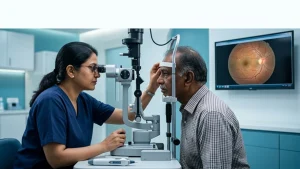
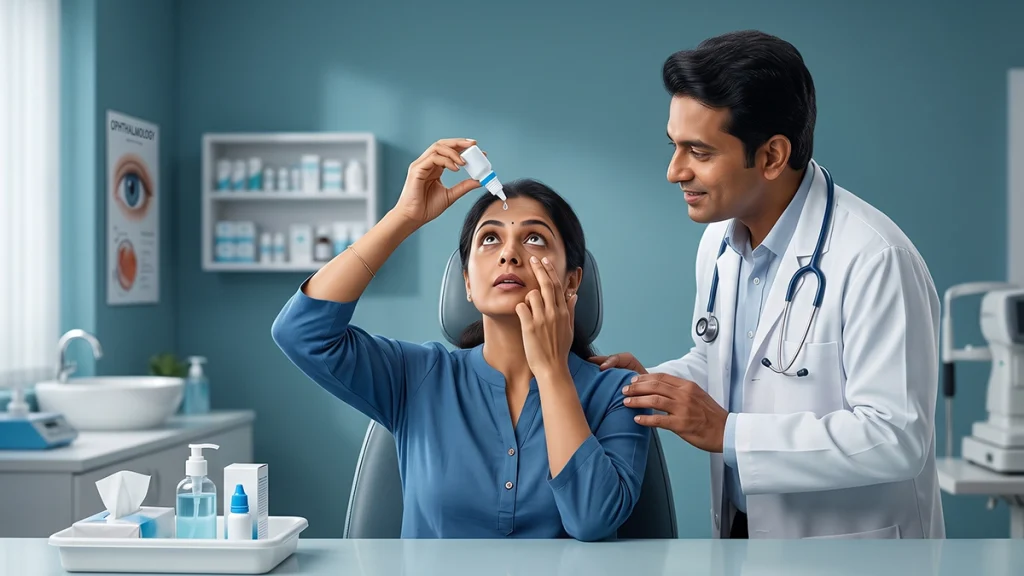
Eye drops also for many ophthalmic issues like dryness, allergies, infections, inflammation and glaucoma are used. But to get the full benefit depends on how to use eye drops properly. Poor technique may waste the medicine or cause contamination of the bottle.
Learning how to use eye drops is a particular issue when treatment is for an extended time of several weeks to months. Also we do good eye drops safety because it reduces the chance of getting germs in the eye. We have put together the following eye drop instructions which go over eight practical steps for every day use.
Why Does the Correct Technique Matter?
The eye is a delicate issue, and eye medications require careful application. correct way to use eye drops will get the medicine to where it is needed in the eye at the same time as you keep the bottle tip clean. It is important that patients follow the dose and schedule which is advised by their ophthalmologist.
| Good Practice | Why It Matters |
| Wash hands before use | Reduces contamination risk |
| Avoid touching the bottle tip | Helps keep the drops sterile |
| Use the prescribed dose | Supports appropriate treatment |
| Follow storage directions | Helps maintain medicine quality |
1. Wash and Dry Your Hands First
The primary rule of putting in eye drops is to always wash your hands well with soap and water. Dry them off before you touch the bottle or the eye area. This basic step in eye drops safety helps to keep out dirt and microorganisms from the bottle tip or eye.
2. Check the Bottle and Label
Before using the medicine check the name, expiry date and that it is the correct eye drop for you. Also some medicines should be shaken before use. It is important to follow the product specific eye drop instructions as different medicines and delivery methods may vary. Do not use a product that looks out of the ordinary or which has passed its expiry date.
3. Create a Small Pocket With the Lower Eyelid
For the correct way to use eye drops, sit or lie down and tilt your head back. Look up. Gently pull the lower lid down to form a small pocket. As for the technique of using eye drops the drop goes into that pocket instead of on the center of the eye.
4. Keep the Bottle Tip Away From Your Eye
Hold your eye drop bottle at a distance from the eye, do not let the tip touch the eye, eyelashes, eyelid, fingers or any other surface. This is very important in terms of eye drops safety. The FDA also reports that you should not put the tip of the bottle to your eye, hands, clothes or any other surface as this may cause the product to become contaminated.
5. Use Only the Recommended Amount
Another important part of how to use eye drops is that you follow the dose which is prescribed. Gently shake the bottle and put in the measured out amount that goes in the pocket of the lower lid. Also do not add extra drops without your doctor’s instruction. The correct way to use eye drops is to follow the exact prescribed dose and frequency which is given.
6. Close the Eye and Press the Inner Corner
After applying the medicine, gently close your eye. Avoid squeezing the eyelids tightly or rubbing the eye.
The National Eye Institute reports that this may be done by applying gentle pressure to the tear duct at the corner of the eye closest to the nose for a minimum of 1 minute. This is a method which may be used to reduce the amount of medicine which goes into the nose. Also it is an element of learning how to use eye drops correctly.
7. Leave a Gap Between Different Drops
Some patients require more than one eye medication. In that case proper eye drop instructions are especially important. The National Eye Institute says to wait at least five minutes between each type of eye drop. By doing this you allow the first medicine to stay in the eye instead of the second one washing it out.
8. Close and Store the Bottle Properly
Knowing that you put in the effort how to use eye drops also means to take care of the medicine post application. Put the cap back on as soon as you can and store the bottle as the label instructs. Do not share prescription eye drops with someone else. Good storage and handling is a very large part of the correct way to use eye drops.
| Situation | What to Do |
| Using two different drops | Allow at least 5 minutes between them |
| Bottle tip touches a surface | Ask a pharmacist or eye doctor for advice |
| Eye becomes painful or develops discharge | Stop and seek medical advice |
| Vision changes unexpectedly | Contact an eye specialist promptly |
When Should You Contact an Eye Doctor?
Knowing how to use eye drops doesn’t take the place of a medical evaluation. If you develop serious eye pain, discharge, greater discomfort or unanticipated changes in vision stop use of the product and get professional advice. The FDA also says that if while using eye drops you have a problem you should seek medical attention. That which requires long term medication should follow the ophthalmologist’s eye drop instructions very carefully and should not discontinue prescribed treatment on your own.
Conclusion
Proper use of eye drops is the key to safe and effective eye care. Careful hand washing, proper bottle handling, right application and right storage are easy practices that count.
Patients are to follow as per ophthalmologist’s instructions and schedule for eye drop use. At ASG Eye Hospital we can review the technique for you if you are having difficulty. Also we will offer you the right guidance.
Frequently Asked Questions
1. What is the correct way to use eye drops?
The correct way to use eye drops is to wash your hands first, create a space with the lower eyelid, apply the dose as prescribed without the bottle tip to touch the eye, and gently close the eye after.
2. How long should I wait between two different eye drops?
When learning how to use eye drops, note the 5 minute rule. The National Eye Institute reports that it is recommended to wait at least 5 minutes between each application of different eye drop medications.
3. Can the eye-drop bottle touch my eyelashes?
No. Good eye drops safety is to keep the tip of the bottle away from the eye, eyelids, eyelashes, fingers and other surfaces which reduces contamination.
4. Should I use eye drops if they have expired?
No. Check the expiration dates and follow the manufacturer’s eye drop instructions. If in question as to whether an opened bottle is still safe to use, ask your ophthalmologist or pharmacist.
5. What should I do if eye drops cause pain or vision changes?
Stop use of the product and see a doctor which is especially recommended should you notice pain, discharge, that discomfort is getting worse or any changes in vision.
Authoritative References
U.S. National Eye Institute (NEI) – How to Put in Eye Drops:
https://www.nei.nih.gov/eye-health-information/eye-conditions-and-diseases/glaucoma/glaucoma-medicines/how-put-eye-drops
U.S. Food and Drug Administration (FDA) – What You Should Know About Eye Drops:
https://www.fda.gov/drugs/buying-using-medicine-safely/what-you-should-know-about-eye-drops?