What Is a UV Burn of the Cornea?
UV eye burn symptoms present when ultraviolet (UV) radiation injuries the cornea which is the clear front of the eye. This is what we term photokeratitis. It is similar to sunburn but what it does is affect the sensitive surface of the eye.
Sun which in turn includes reflected UV from snow as well as intense arc light causes this issue. There are times when symptoms do not present right away. A person may feel at ease during the exposure but may report pain, redness and watering of the eyes a few hours later. Early recognition of signs of UV eye burn symptoms gets people into proper care and also will help to prevent more exposure.
What Causes Photokeratitis?
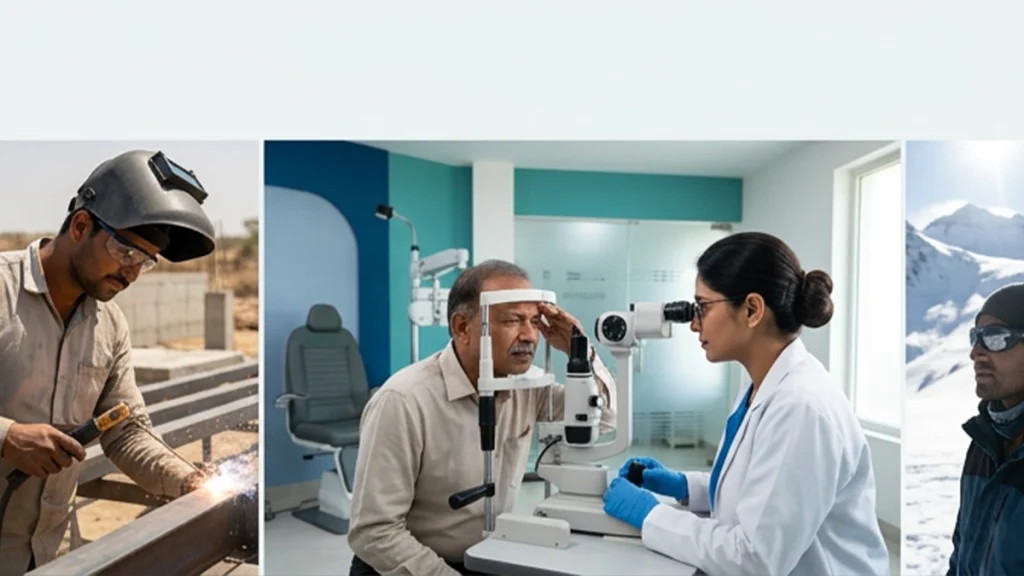
The cornea is at risk of UV damage which is a result of insufficient eye protection. We see greater exposure of the eye to UV when people spend long term in the sun without wearing UV protective sunglasses. Also snow, ice, sand and water reflect sunlight into the eyes. That is why we see snow blindness in skiers, climbers and people that spend great time in snow.
Welding arcs give off very high levels of UV radiation. At the first chance workers put their eyes on an unshielded arc they may get injured cornea. This is what we term welder flash eye. When out on the job which is the everyday happenings for some workers should be wearing proper welding helmets and full protective gear that is rated, not to put on that old pair of sunglasses.
| Exposure source | How it affects the eyes | Recommended protection |
| Direct sunlight | Prolonged UV exposure can damage the corneal surface. | UV-blocking sunglasses and a wide-brimmed hat |
| Snow, ice or water | Reflected UV rays can increase exposure. | Well-fitting UV-protective eyewear |
| Welding arcs | Intense artificial UV radiation can injure the cornea. | A suitable welding helmet and rated protective equipment |
Common UV Eye Burn Symptoms
Common UV eye burn symptoms are pain, redness, excessive tearing and light sensitivity. Also some report blurred vision, swollen eyelids or a gritty feeling as if sand is in the eyes. Usually both eyes will present with symptoms after the same exposure which may present in a varied degree.
The symptoms may present itself a few hours after the incident and get worse before they improve.It is important to note UV eye burn symptoms which may present in a like manner to corneal scratches, infections and other eye conditions. Severe pain, reduced vision or persistent symptoms require you to see an ophthalmologist right away.
| Symptom | What a person may notice |
|---|---|
| Eye pain | Burning, stinging or aching |
| Light sensitivity | Discomfort in bright rooms or sunlight |
| Watering and redness | Excess tears and bloodshot eyes |
| Blurred vision | Difficulty seeing clearly |
| Gritty sensation | Feeling that something is trapped in the eye |
Treatment and Recovery
Treatment of UV eye burn symptoms depends on the severity of the issue. In which a doctor may use special equipment to examine the cornea and may also recommend proper pain relief and lubricating eye drops. Also in many cases of non complicated issues improvement is seen within a week as the damaged cells heal.
Until ophthalmic care is sought out, avoid that which causes more UV exposure and remove the contact lenses. Rest in a comfortable light setting and use a clean cool compress over closed eyes if that helps.Do not scratch at your eyes, use up the remaining of your prescribed eye drops or try home remedies out. Also do not put in anesthetic eye drops without medical supervision.
Seek prompt ophthalmic care if pain is severe, vision drops off or symptoms persist. Don’t assume that every red painful eye is photokeratitis. Other conditions which require different treatments may be present and an exam will determine the cause.
How Can You Avoid UV Eye Damage?
To prevent UV eye burn symptoms ,get into the habit of protecting your eyes before sun exposure. Wear sunglasses that have a label of 99 100% UVA and UVB protection which also fit very well. A wide brimmed hat also provides extra protection while outside.
In cold and high altitude settings use appropriate protective eyewear. For the shop floor the welder must follow in–plant safety protocols and wear out fitted gear for that which is required by the task. Ordinary tinted glasses do not take the place of a welding helmet. These measures reduce the risk of snow blindess, welder flash eye and other UV related eye injuries.
Conclusion
UV eye burn symptoms from sun, snow reflection or welding is a thing. In most cases of minor discomfort the issue resolves in a short time frame, however that is not true for very painful or with visual changes. For these you should use protective wear, follow safe work practices and seek out prompt medical care.
Frequently Asked Questions
1. How quickly do UV eye burn symptoms appear?
UV eye burn symptoms may present itself a few hours after the incident as opposed to right away. This delay can easily go by unobserved. If after bright UV exposure symptoms like discomfort, redness, and light sensitivity show up then see medical help.
2. Is snow blindness permanent?
Snow blindness which is a result of corneal surface damage typically improves as it heals which is a process that usually plays out within few days. But in the case of severe pain or vision changes prompt medical evaluation is required. Also avoid any further exposure and follow up with an ophthalmologist during the recovery.
3. Sure can welding cause a UV eye burn?
Yes. From the arcs of welding comes high levels of UV radiation which causes what is known as welder flash eye. Use appropriate rated welding helmets and safety gear. If you have pain or blurred vision after welding see medical attention immediately.
4. When should I see an ophthalmologist?
Go to the emergency room for severe pain, reduced vision or great light sensitivity. If your symptoms do not improve, have a health professional look at them. Early evaluation also is key in diagnosing photokeratitis as opposed to other eye injuries that may require different treatment.
Authoritative Medical References
1. National Eye Institute’s guidance on UV eye safety –
https://www.nei.nih.gov/research-and-training/research-news/protecting-your-eyes-suns-uv-light