What Does High Eye Pressure Without Glaucoma Mean?
Doctors use the term ocular hypertension which we note when a person’s intraocular pressure is high and at the same time there is no damage to the optic nerve or visual field. Pressure in the eye over 21 mmHg is a common indicator of high IOP but also is determined by the full clinical picture and individual reports.
High eye pressure that does not lead to glaucoma may go unnoticed. Vision may be perfect at 20/20 and you may not notice anything out of the ordinary; but the optic nerve is at risk.
The National Eye Institute reports that which has high intraocular pressure is at great risk for glaucoma but not all people with high IOP do in fact develop the condition.
When Does High Eye Pressure Need Treatment?
Not in all cases ofhigh eye pressure without glaucoma is treatment immediate. Your ophthalmologist looks at many variables in determining a treatment plan. This may include your pressure readings, corneal thickness, the look of the optic nerve, age and family history.
People which present with high values, thin corneas, a history of glaucoma in the family or which have had glaucoma themselves may require more frequent monitoring or early intervention. In low risk situations routine exams may suffice.
Factors That Influence Treatment Decisions
| Clinical factor | Why it matters |
| Repeated high pressure | May increase the chance of optic nerve damage |
| Thin cornea | Can affect pressure measurement and risk assessment |
| Family history | May increase susceptibility to glaucoma |
| Optic nerve changes | May indicate early damage requiring further evaluation |
| Age and overall health | Help determine long-term risk and treatment benefits |
Your eye doctor will go over all of this data together which is to say they will not base it on one pressure reading.
How Is High Eye Pressure Without Glaucoma Managed?
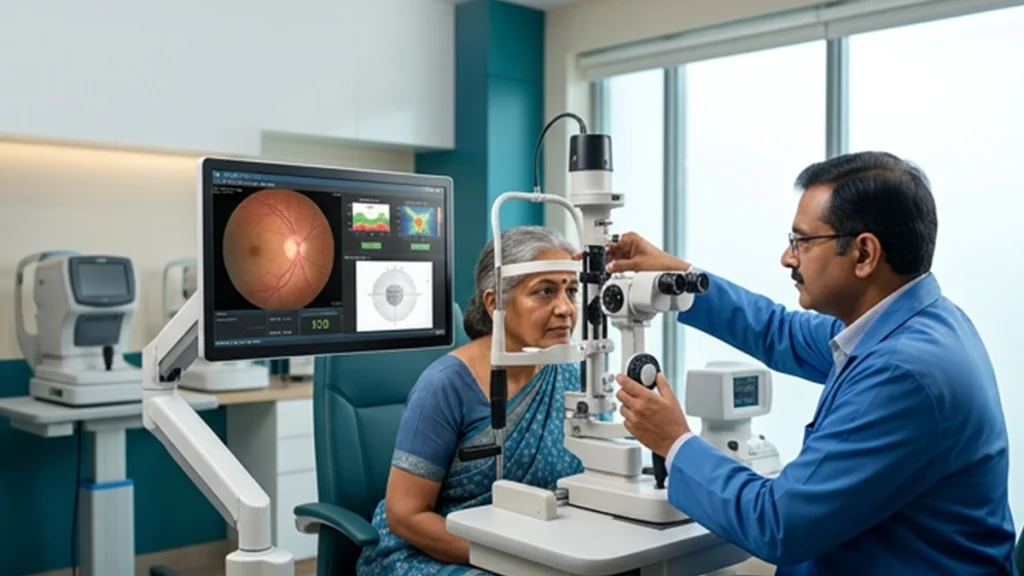
Managing high eye pressure without glaucoma starts with a full eye exam. Your doctor may run the pressure test again and look at your optic nerve. Also they may do a measurement of the cornea’s thickness, visual field testing and optical coherence tomography (OCT).
These studies which go beyond what is typical in a routine eye exam do in fact note subtler changes. Also with regular eye pressure monitoring your doctor is able to track changes over time.
If your glaucoma risk is high, your specialist may put you under pressure reducing eye drops. Also some patients may benefit from laser treatment which will be determined by the results of your exam and what is best for you.
Common Management Options
| Management option | When it may be considered |
| Regular examinations | When risk remains low and tests show no damage |
| Prescription eye drops | When pressure reduction offers meaningful protection |
| Laser treatment | For selected patients after specialist assessment |
| Visual field and OCT tests | To monitor optic nerve health and detect changes |
Never go off, cease or modify as prescribed by your ophthalmologist do not do it.
Can High Eye Pressure Without Glaucoma Affect Your Vision?
In most cases of high eye pressure without glaucoma there are no immediate vision issues. What we see is that the issue is of future optic nerve damage. Glaucoma tends to develop slowly and in its early stages may not present with noticeable symptoms.
This is what regular eye pressure monitoring check ups are for, even when your vision is fine. Your doctor may put you on a different follow up schedule based on your pressure, test results and also your glaucoma risk.
Sudden eye pain, redness in the eye, blurred vision, severe headache or nausea require prompt medical attention. These symptoms point to a possible eye emergency instead of just simple ocular hypertension.
Conclusion
Living with high eye pressure without glaucoma means that you don’t have to eventually get the disease. What is most important is that you understand your own risk factors, follow your ophthalmologist’s advice and go to your scheduled exams. Early assessment can also which in time will point out any changes before they affect your vision.
At ASG Eye Care we have specialists which will do a pressure assessment of your eyes, check out your optic nerve and put together a care plan. Don’t wait for your vision to change before you come in for an exam.
Frequently Asked Questions
1. Is high eye pressure the same as glaucoma?
No. High eye pressure without glaucoma means the pressure is up in the eyes without there being any proven nerve damage. Glaucoma on the other hand is characterized by damage to the optic nerve which in turn can affect sight.
2. Can eye pressure return to normal naturally?
Pressure levels may fluctuate, but do not count on natural changes to manage high elevation. See your doctor to determine what is the right approach which may be watchful waiting or treatment.
3. How often should I check my eye pressure?
The timeline of your care is based on your exam results and risk factors. Your ophthalmologist will also put forth follow up appointments and report in on which if any supplementary tests will be ordered.
4. Can I have glaucoma with normal eye pressure?
Yes. Some folks get glaucoma in which eye pressure is in the normal range. A full eye exam is still very important.
5. Does everyone with ocular hypertension need eye drops?
No. Medication is necessary for some patients; others can be monitored safely through regular specialist appointments.
References Links
National Eye Institute — Glaucoma and Eye Pressure
https://www.nei.nih.gov/eye-health-information/eye-conditions-and-diseases/glaucoma/glaucoma-and-eye-pressure