Glaucoma may present in many different ways, also it does not usually appear out of the blue. Secondary glaucoma is a type which results from another ophthalmic issue, injury, medication, operation, or health issue which in turn causes glaucoma. What we see with secondary glaucoma is an identifiable root cause as opposed to primary glaucoma which tends to have no known cause. What we do find is that in cases of secondary glaucoma if that cause is identified early on we may be able to better treat the glaucoma related damage to the optic nerve which if left untreated may lead to permanent vision loss.
The National Eye Institute reports that glaucoma is a disease which affects the optic nerve and also that some forms are a result of another medical condition. This group is called secondary glaucoma.
What Is Secondary Glaucoma?
Secondary glaucoma is a result of a recognized cause. What may happen is that the production of fluid within the eye outpaces the rate of its drainage. This in turn may raise intraocular pressure, or IOP, which puts the optic nerve at risk.
Some patients present with acquired glaucoma which is a result of eye injury, inflammation, certain drugs, or some other ophthalmic issue. As per the affected drainage angle secondary glaucoma may present as open angle or angle closure.
| Type | What Happens |
| Secondary open angle glaucoma | The drainage angle remains open, but fluid drainage becomes impaired. |
| Secondary angle-closure glaucoma | The drainage angle becomes narrowed or blocked because of another condition. |
| Neovascular glaucoma | Abnormal new blood vessels interfere with normal fluid drainage. |
| Steroid-induced glaucoma | Eye pressure rises in susceptible people after steroid exposure. |
What Causes Secondary Glaucoma?
There is not a single cause of secondary glaucoma. Eye inflammation like uveitis does play a role in impeding normal drainage. Eye trauma may in some people damage structures that control the outflow of fluid. Certain corticosteroid medications may report an increase in intraocular pressure too in predisposed persons. Diabetes induced eye changes are to be identified as an element that brings about neovascular glaucoma at times of growth of abnormal blood vessels around the drainage area. Also, previous eye surgery may do so in certain patents.
MedlinePlus, a service of the U.S. The National Library of Medicine reports that among the causes of secondary glaucoma. are corticosteroids, uveitis, diabetes, and eye injury.
In some cases secondary open angle glaucoma is a result of pigment or material that out of the ordinary does not properly run through the eye’s drain. Also because these issues come from an identified preexisting health issue they may also be labeled as acquired glaucoma.
Symptoms of Secondary Glaucoma
Symptoms of secondary glaucoma are very different from person to person. Some report only minor issues in the early stages especially when the increase in eye pressure is gradual. Others report blurred vision, eye pain, redness, headache, loss of peripheral vision, or seeing halos around light.
A very quick and large increase in intraocular pressure may present with very serious symptoms of eye pain, redness, blurred vision, headache, nausea, or vomiting.Such symptoms require emergency medical care.
The lack of symptoms does not rule out secondary glaucoma. Also very important for people with a history of eye injury, inflammation, surgery, diabetes related eye disease, or extended steroid use is regular eye exam.
How Is Secondary Glaucoma Diagnosed?
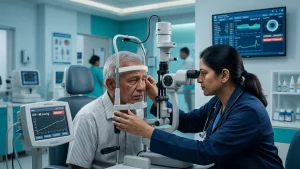
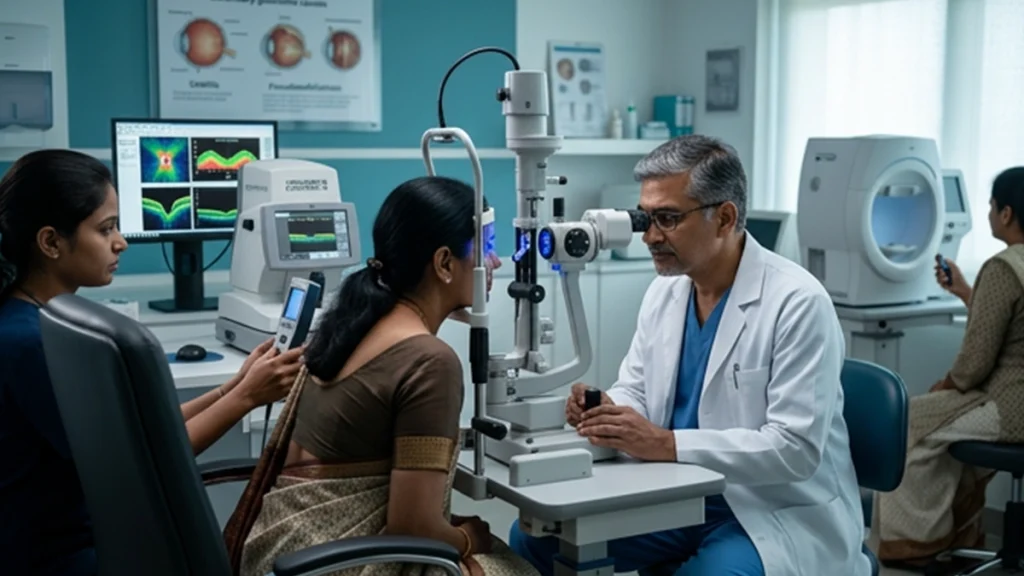
Diagnosing secondary glaucoma is more than just measuring eye pressure. An ophthalmologist has to determine if glaucoma is present and to find out what is causing it.
| Examination | Why It May Be Done |
| Tonometry | Measures pressure inside the eye |
| Gonioscopy | Examines the eye’s drainage angle |
| Optic nerve assessment | Looks for signs of glaucomatous damage |
| Visual field test | Checks for areas of vision loss |
| OCT | Helps assess the optic nerve and retinal nerve fibre layer |
An in depth history also will present acquired glaucoma due to drugs, injury, inflammation, or past surgery. Gonioscopy allows doctors to tell apart secondary open angle glaucoma from secondary angle closure types.
How Is Secondary Glaucoma Treated?
Treatment for secondary glaucoma usually has two goals: Lowering of eye pressure which is harmful and we also go after the root cause. The exact approach we take therefore varies per patient.
Doctors may put in your hands prescription glaucoma eye drops which in turn will reduce eye pressure. Also as per the National Eye Institute we have that these prescription eye drops do in fact lower eye pressure and in that way also help to put a stop to more of the optic nerve damage, which is great, but they do not reverse vision loss which has already occurred by the time you are diagnosed with glaucoma.
Depending on the cause and degree of severity, treatment of secondary glaucoma may include laser procedures or surgery. Some types of secondary open angle glaucoma do respond to pressure reducing medications or appropriate laser treatment. Also some cases of acquired glaucoma require that we treat the inflammation, abnormal blood vessels, lens issues or some other underlying condition.
Can Secondary Glaucoma Cause Permanent Vision Loss?
Yes. Untreated secondary glaucoma may cause progressive optic nerve damage. As soon as glaucoma produces loss of sight and permanent nerve injury we are not able to recover that vision. The main goal is to protect what still remains of your sight.
This is very much the case for early diagnosis. Anyone at risk for acquired glaucoma in nature should follow the eye care schedule which is put forth by their ophthalmologist.
Conclusion
Secondary glaucoma may present after a person has another eye issue, injury, is on certain medications, has gone through a procedure which affected the eye or has a related health condition. Also since the causes and clinical picture can differ which is at play here accurate diagnosis is very important. Identifying which underlying issue is present and to control the intraocular pressure early will help in protecting the optic nerve and in maintaining what vision is left.
If you have had eye injury, inflammation, use of steroids, prior eye surgery, or other glaucoma risk factors we at ASG Eye Hospital will do an exam which may determine that you require a more in depth glaucoma evaluation.
Frequently Asked Questions
1. Is secondary glaucoma different from primary glaucoma?
Yes. Secondary glaucoma is a result of some other condition present in the patient which we can identify and primary glaucoma is when we do not find any other condition to have caused it.
2. What is secondary open angle glaucoma?
Secondary open angle glaucoma is a result of an open drainage angle which for some other reason does not allow for proper fluid outflow and in that way causes glaucoma.
3. Can an eye injury cause glaucoma?
Yes. Trauma may affect the eye’s role in the damage of the eye’s drainage structures which in turn may result in acquired glaucoma at a later time sometimes as many as months or years after the initial injury.
4.Can steroids cause secondary glaucoma?
Steroids cause an increase in eye pressure in some individuals. Long term or repeated use of steroid medications may play a role in the development of secondary glaucoma in at risk patients. Do not discontinue steroid prescriptions without first consulting your doctor.
5. Can secondary glaucoma be cured?
Treatment is based on the cause. In case of secondary glaucoma doctors will reduce eye pressure and treat the base health issue. Also it is to note that once the optic nerve is damaged it usually does not repair.
6. When should I visit an eye specialist?
Seek out timely ophthalmic care if you present with sudden eye pain, redness, blurred vision, halos, headache, nausea, or a sudden change in vision. Also people at risk of secondary open angle glaucoma or other forms of acquired glaucoma should have routine eye exams.
Reference Links
- Government/authoritative reference: National Eye Institute — Types of Glaucoma
- Additional government medical reference: MedlinePlus — Glaucoma