The optic nerve is the one that transmits visual info from the eye to the brain. In cases of damage to the nerve’s fibers, the nerve may appear very pale during an eye exam. This is what they call optic nerve pallor which in turn may be a sign of optic atrophy causes. That which we can determine from the cause of the atrophy also helps the doctor in which tests and what treatments to put the patient into.
Optic Atrophy what is it?
Optic atrophy is a term we use for damage to the nerve fibers which carry visual info. It is not a stand alone disease. Rather, it is a indicator of a secondary issue. You may see optic nerve pallor at which point these fibers are no longer functioning properly. As to how it affects vision, that will depend on the degree of the injury as well as the cause of it.
What are the Main Issues?
There is a variety of optic atrophy causes which is important to identify as some of these conditions require urgent care. Glaucoma may slowly cause damage to the optic nerve which in many cases does not present early. Also the nerve may be suddenly injured from a poor blood supply. Inflammation which includes optic neuritis also may play a role.
Other optic atrophy causes include head injuries, pressure from a growth near the nerve, certain toxins, nutritional deficiencies, infections, and inherited conditions. At times doctors may need to do many tests to determine the cause. What may be the optic atrophy causes may present with the same symptoms as other causes, that’s why a detailed assessment is key. Optic nerve damage may affect one or both eyes.
Symptoms That May Affect Vision
Symptoms present them selves in many ways. Some report dim vision, faded colors, reduced sharpness, or loss of some side vision. Also it is found in the routine exam. While optic nerve pallor may not cause total blindness it is a cause for investigation.
Symptoms’ patterns may point to what is optic atrophy causes. Sudden vision changes are a sign of a blood flow issue or some other acute condition. Gradual changes may be a result of glaucoma or inherited disorders. Optic nerve damage is permanent in many of these cases early assessment is key.
How do Doctors Approach Optic Atrophy?
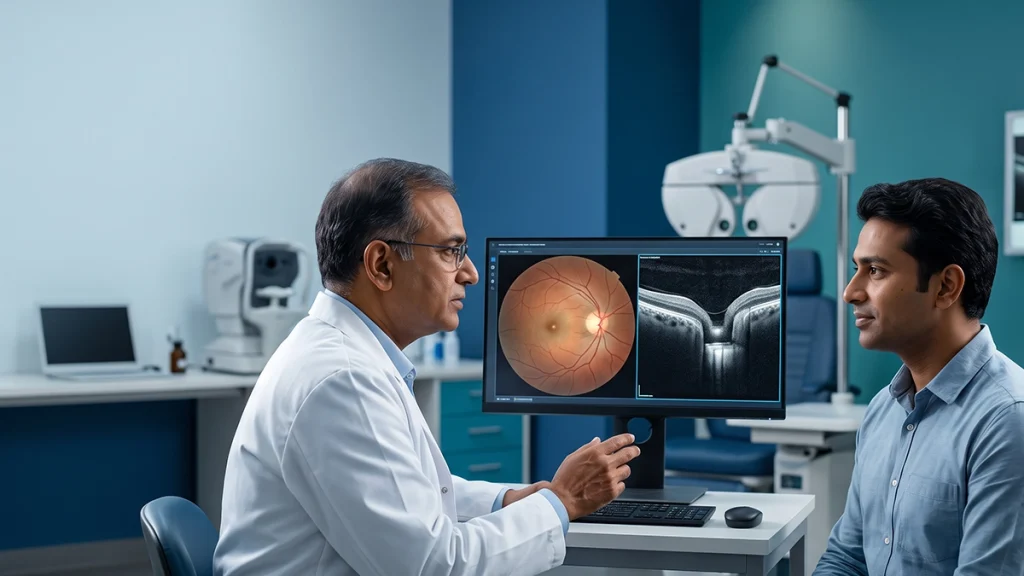
A patient reports on symptoms, health history, which includes past injuries and family health history. Also they will do an exam of the optic nerve and check the vision in each eye. We use vision loss tests to determine the type and extent of visual changes.
| Test | What it checks |
| Visual acuity test | Measures how clearly you can read letters or symbols. |
| Colour vision test | Checks whether you can distinguish colours normally. |
| Visual field test | Detects missing areas in central or side vision. |
| Dilated eye examination | Allows the doctor to inspect the optic nerve and retina. |
| OCT scan | Creates detailed images of retinal nerve fibre layers. |
Doctors also do eye pressure and pupil response checks. As per results they may order for MRIs or blood work. These vision loss tests which in turn may reveal inflammation, compression, nutritional deficiencies or other optic atrophy causes. Not all tests are the same for each patient.
Why Finding the Cause Matters
Treatment is based out of what is causing the nerve changes. We see management of glaucoma, treatment of inflammation, correction of a deficiency, or investigation of an infection or growth. It is for the most part that which is established as optic nerve damage which we are unable to reverse. But early treatment may protect what vision is left or prevent it from getting worse.
A diagnosis of optic nerve pallor is a stand alone term which does not report a cause. We do see follow up visits as a way for doctors to note changes and modify care. Also, at times we may run out a series of vision loss tests should signs present which grow or the initial results leave us with more questions.
What Patients Should Know
Do not ignore sudden blurred vision, dark shadows, or rapid loss of sight. Go get medical attention right away if these symptoms present. For people with gradual changes also we recommend you in for an eye exam. Doctors use vision loss tests along with clinical results to determine the pattern of damage.
In each person the optic atrophy causes is different. Doctors will look into it more when optic atrophy causes tests that don’t give us an answer. It is best to check with your health care provider before starting or stopping any medications. Also very important are regular reports which also include if glaucoma or an inherited condition is present in your family.
Conclusion
Optic atrophy is a sign of damaged optic nerve, but it gives us no information about what may have caused it. For a full diagnosis and proper course of care, we do have to look deeper into the issue through more in depth evaluation and specific tests. Should you see any change in your vision do report to your eye specialist at once. At ASG Eye Care we aim to make our patients’ aware of what is going on with their eye health, also what to expect as they move forward with the care that has been recommended by the medical team.
Frequently Asked Questions
1. Is there the same thing as optic atrophy and blindness?
No. What degree of vision is affected is variable. Some people retain useable sight, others develop large scale visual impairment. The result depends on the extent and cause of optic nerve damage.
2. In what instances can we reverse optic atrophy?
In most cases what was lost in the optic nerve is not regained. But at the same time treatment of the base cause may help save what vision is left. That is why doctors jump into determining the optic atrophy causes right away.
3. Does it always present optic nerve pallor with symptoms?
Not always. At the point of examination before a patient reports a change may present with optic nerve pallor. Follow the ophthalmologist’s advice in regards to further tests.
4. Which tests will be done?
Your doctor may order a dilated exam, OCT, visual field testing, MRI, or blood work. What is done varies with your symptoms and what is seen. Vision loss tests are tailored to the individual.
5. When to go to urgent care?
For sudden vision loss, black spots in your field of vision, or your sight which is deteriorating fast bring in to see us right away. These may be signs of a serious issue that requires prompt attention.
Government and Official Medical References
1. MedlinePlus, U.S. National Library of Medicine: Optic Nerve Atrophy
https://medlineplus.gov/ency/article/001622.htm
2. MedlinePlus, U.S. National Library of Medicine: Optic Nerve Disorders
https://medlineplus.gov/opticnervedisorders.html
3. NHS Cornwall and Isles of Scilly: Optic Nerve Conditions and Referral Guidance
https://rms.cornwall.nhs.uk/rms/primary_care_clinical_referral_criteria/primary_care_clinical_referral_criteria/opthamology/optic_nerve