A small growth on the eyelid may be very worrying at times, in particular when it remains for weeks without bettering from at home care. In many cases what you are seeing is a chalazion which develops when an oil producing gland in the eyelid gets blocked and the contained oil produces a hard swelling. Most chalazia are not serious and many go down with warm compresses, proper lid care, and easy to get medications. If the growth in question becomes large, persistent, uncomfortable or begins to press on the eye then chalazion surgery may be recommended.
Patients also ask about the price of chalazion surgery which is a factor in their treatment decision. Price varies based on the hospital, city, doctor’s specialization, medicines, follow up visits, and if any other eye care is needed. Open discussion with the eye hospital team is key to clear planning and less confusion.
What Is a Chalazion?
A chalazion is a painless to mild tenderness in the eyelid. It results from a meibomian gland that usually produces oil for the tear film to become blocked. The trapped oil causes inflammation and forms a cyst-like lump.
A chalazion is a different condition from a stye. A stye is usually painful and related to infection, on the other hand a chalazion is not as painful but is more of a long term issue. Some lumps will go away on their own time frame, but a large or recurring lump may require professional eyelid treatment.
When Is Surgery Needed?
Chalazion issues are typically managed first with conservative care. We see warm compresses and eyelid cleaning as the initial approach. Should the swelling persist for a few weeks, keep coming back to the same area, cause cosmetic issues, or impair vision by putting pressure on the eye we may recommend a small procedure.
Sometimes at times the doctor may recommend removal of the mass if the swelling of the eyelid is atypical or if tissue requires examination. Also do not put pressure on it, don’t play with it at home trying to drain it out which in turn may increase your risk to that of catching an infection, bleeding, and scarring.
| Situation | Usual Treatment Approach |
| Small new lump | Warm compresses and lid hygiene are usually advised first. |
| Persistent swelling | Medical review is needed if it does not improve after several weeks. |
| Large lump pressing on the eye | Chalazion surgery may help reduce pressure and improve comfort. |
| Recurrent lump in the same place | A detailed eyelid evaluation may be needed. |
| Redness, pain, or discharge | The doctor checks for infection and recommends suitable eye treatments. |
How the Procedure Is Done
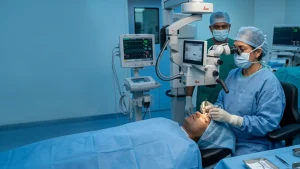
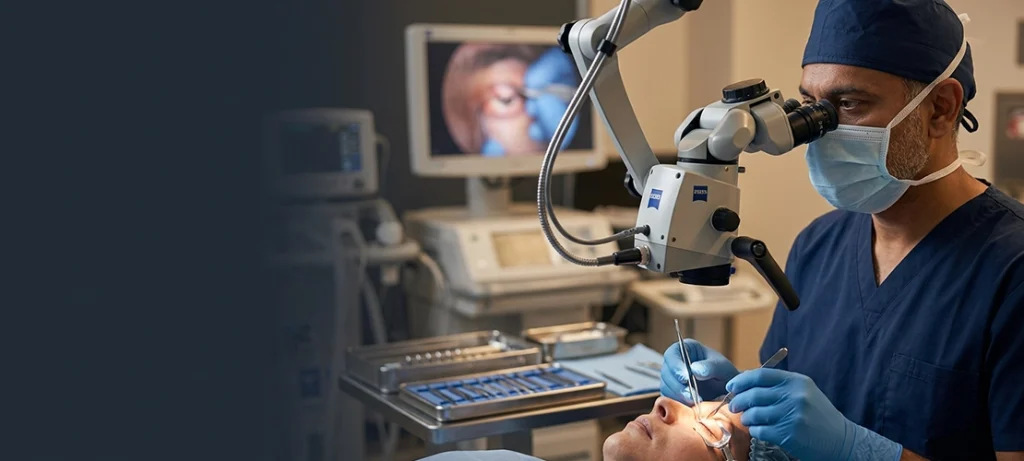
In the field of outpatients’ care we see that which is known as chalazion surgery is a very minor affair. In most adults the procedure which usually takes place in the doctor’s office is carried out using local anesthetic which in turn means that the immediate area around the eye is numbed with what you may feel is some pressure at the most, no sharp pain is reported.
The area of the eye lid is cleansed and a small clamp may be used to hold the area still. We usually make an incision inside the eyelid which leaves no external mark. We also will remove the blocked oil material and the affected tissue. May apply an antibiotic ointment at the end of it and the eye may be put under a gauze for a short while.
The procedure is in and out fast but the full visit may take some time which is for preparation, anesthetizing, clean up, and post procedure care which is also true of which is one reason to go over the full chalazion surgery cost at the first visit as a package and not just the procedure itself.
Is It Painful?
Most patients do well with this procedure. The numbing injection may be stinging at first but then the eye lid will go numb. We see some tenderness, bruising, swelling, tearing up, or blurred vision for a few days. That’s normal which we will also instruct you how to manage at home. In case the pain gets worse, swelling goes up, vision drops out of the blue, or if you notice a pus discharge you should get in touch with the ophthalmologist right away. These are not the expected signs of a normal recovery.
Recovery and Healing Timeline
Recovery is typically easy but the eyelid must be very gently handled. In most cases patients are back to normal routine within a day or two, that said swelling and bruising may take more time to go away. The doctor may also give a prescription for antibiotic drops or ointment which should be applied as instructed.
| Recovery Period | What Usually Happens |
| First 24 hours | Mild swelling, watering, bruising, and temporary blurred vision from ointment may occur. |
| Days 2 to 3 | Swelling may look more noticeable, but discomfort usually begins to reduce. |
| Days 4 to 7 | Bruising and tenderness start settling, and daily comfort improves. |
| Week 2 | Most visible swelling reduces, and the eyelid starts looking much better. |
| Weeks 3 to 4 | Internal healing continues, and any remaining firmness gradually softens. |
During recovery, avoid rubbing the eyelid, swimming, eye makeup, dusty surroundings, and contact lenses until the doctor confirms that healing is adequate. Good aftercare after chalazion surgery is especially important for people who have repeated eyelid inflammation or blepharitis.
Chalazion Surgery Cost in India
Chalazion surgery cost in India may also vary in price at different centers. Some clinics have lower costs while a private ophthalmic hospital in a metropolitan city may charge more for better infrastructure, specialist care, operating room charges, and follow up support.
Don’t base your decision on the lowest price alone. It is a good idea to ask which services the price includes, that is, do the price include consultation, medications, bandaging, follow ups and which if any tests will be ordered. Also, get a clear breakdown of what is included in the total to avoid any surprises after the procedure.
The procedure fee may go up for a large, recurring, infected or that which is present in multiple eyelids. Also if the physician reports of blepharitis, meibomian gland issues, dry eye, or any other eyelid issue we may put forth extra eye treatments to reduce the chance of return. Insurance coverage will depend of your policy and if the procedure is determined to be medical or cosmetic. Some plans may cover if the growth brings on a symptom or affects vision but may not if it is categorized as cosmetic at which point it may not be covered. Also some plans may not be covered at all. It is best that patients check with their insurer and the billing team before scheduling treatment.
What Factors Affect the Cost?
Main elements of chalazion surgery cost are city, hospital type, surgeon’s experience, preop setup, medications, follow up care and if one or both eyelids are to be treated. Also that which additional tests or biopsies are needed may change the total. Good eye hospitals will break down all charges for you beforehand. It is best that patients ask what is included in the package, if follow up visits are covered in the price, and what other extra charges may apply.
Can a Chalazion Come Back?
Yes We have seen patients get repeat chalazia even after we remove the initial lump. We do what we can to clear the present issue, but we don’t see to alter the root issue with the oil glands which is that they may still tend to block. For long term care we recommend good eyelid hygiene and use of warm compresses as advised also treatment of blepharitis which may play a role. If the chalazion keeps coming back in the same place we will do a more in depth exam. In some cases we may also need to do more in depth evaluation to rule out other eyelid issues.
Chalazion Care at ASG Eye Hospital
At ASG Eye Hospital we find out the size, duration, recurrence pattern, state of the eyelid health, and impact on vision before we put forth a chalazion surgery recommendation. If drugs and home care are found to be sufficient, we may go with a more conservative approach first. When removal is required we aim to do a neat, comfortable and thought out procedure with very clear after care instructions. Also we have the discussion on what to expect in terms of chalazion surgery cost during the consult which includes going over the follow up schedule and any additional lid care that may be required.
Key Takeaway
A chalazion is mostly not dangerous, but we should see a doctor if it does grow large, is constant, painful, recurrent, or begins to affect vision. Chalazion surgery is a simple procedure which we may turn to when home care doesn’t. Also, it is important for the patient to know about the recovery process and what to expect from post care in order to feel at ease and well prepared.
Frequently Asked Questions
1. What is chalazion surgery?
Chalazion surgery is a minor eyelid procedure used to remove a persistent chalazion. The doctor numbs the eyelid, makes a small incision, usually from the inner side, and clears the blocked material.
2. When should I consider the procedure?
Chalazion surgery is a simple eyelid procedure which we do to remove a persistent chalazion. The doctor will anesthetize the eyelid, make a small incision usually on the inside and remove the blocked material.
3. How long does recovery take?
You may consider it if the lump does not improve after several weeks of warm compresses and lid hygiene, keeps coming back, becomes large, affects vision, or causes cosmetic concern.
4. What is the average chalazion surgery cost?
The average chalazion surgery cost is variable in different cities, at different hospitals, for different surgeons’ fees, procedure set up, medications, and follow up care. Patients should check the package details before treatment.
5. Is chalazion surgery cost covered by insurance?
Chalazion surgery is a service that may or may not be covered by your insurance plan, also in regard to your symptoms and medical necessity. It is recommended you check with your insurer and the hospital billing department prior to the procedure.
6. Can the procedure leave a scar?
Also as to the issue of scarring in most cases the incision is made within the eyelid which means an external scar is very unlikely. How the healing goes can also depend on the size of the growth and the degree of inflammation present before treatment.
Reference
MedlinePlus, U.S. National Library of Medicine – Chalazion
https://medlineplus.gov/ency/article/001006.htm