ASG Eye Hospital

Black Fungus and the Eyes: Symptoms, Warning Signs and Treatment

Black fungus also known as mucormycosis is a rare but very serious type of black fungal symptoms. It affects the sinuses, eyes, brain, lungs and skin. What to look out for is early recognition of symptoms which in high risk groups may progress very fast. The symptoms of mucormycosis present differently based on which area is affected but it is urgent to seek care if you see changes in the eyes and sinuses. 

What Is Black Fungus?

Fungi causing black fungus are present in our environment in soil and among decaying organic matter. Infection may happen when a person breathes in the fungal spores or when the spores get into broken skin. Mucormycosis usually does not spread from person to person.

When you develop an infection in your nose or sinuses it may extend to the eye tissue. People with diabetes, weak immune systems, cancer, organ transplants, or long term corticosteroid use should be aware of the signs of black fungus and mucormycosis.

Black Fungal Symptoms Affecting the Eyes

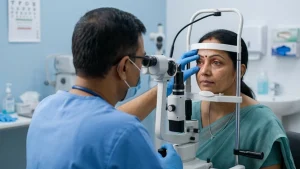
Eye-related black fungal symptoms can include swelling around one eye, pain, blurred or reduced vision, double vision, redness, and trouble moving the eye. Other possible symptoms are swelling on one side of the face, headache, nasal congestion, fever, or dark lesions around the nose or mouth. Because these may indicate symptoms of mucormycosis, prompt medical assessment is required.

SymptomWhy It Matters
Eye or facial swellingMay indicate infection near the sinuses or orbit
Blurred or double visionCan suggest eye-area involvement
Eye pain or restricted movementRequires urgent assessment
Nasal congestion, headache or feverMay accompany sinus disease
Dark nasal or oral lesionsCan occur in severe infection

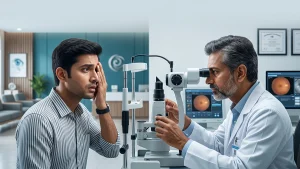
Do not diagnose black fungal symptoms by comparing them solely with online black fungus infection images. Several conditions affecting the eyes and sinuses may appear similar. Doctors evaluate possible symptoms of mucormycosis alongside examination findings and medical risk factors.

How Does Black Fungus Spread?

People often search for how black fungus spread or how does black fungus spread.Infection generally develops after someone is exposed to fungal spores in the environment, not through contact with another infected person. That distinction matters when discussing fungal infection and black fungus.

If the infection starts in the sinuses, it can spread to the tissues around the eye, where black fungal symptoms may develop quickly. Severe black fungal symptoms should never be ignored, since a serious mucormycosis black fungus infection can spread farther and lead to major complications.

Diagnosis and Treatment

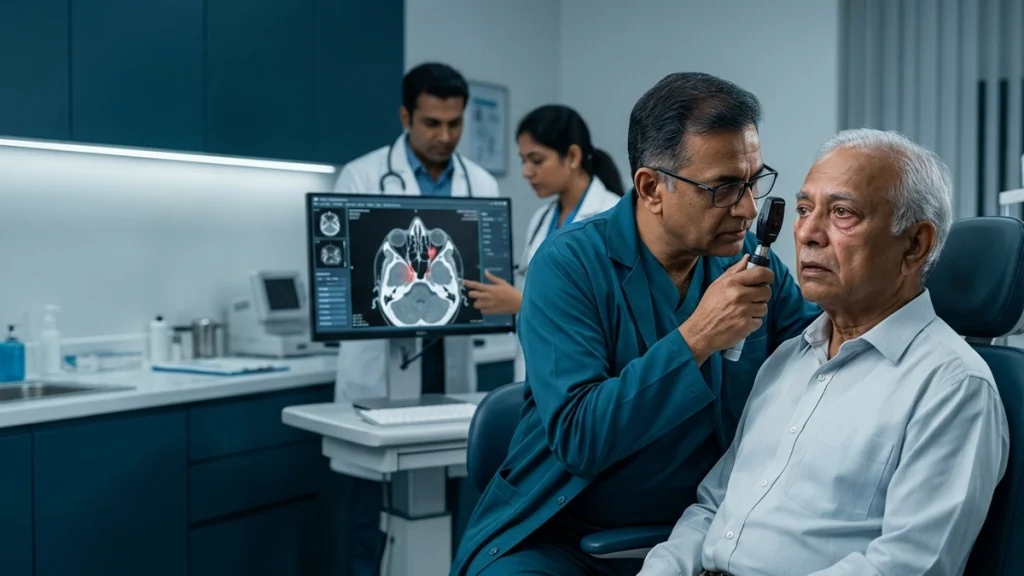
Doctors look into black fungal symptoms by reviewing a patient’s medical history, conducting a physical examination, and assessing possible risk factors. Tissue or fluid samples may be sent to a laboratory for testing. CT or MRI scans can help determine whether the infection has spread to nearby areas.

Because of the similarity of symptoms of mucormycosis to other diseases it is important to get the correct diagnosis. Sudden changes in vision, swelling, or limited eye movement Black fungal symptoms should not be managed with self medication.

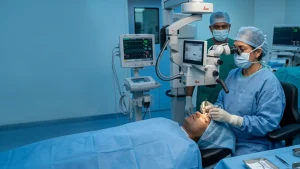
Mucormycosis requires prompt medical attention. Treatment may include antifungal drugs which may consist of amphotericin B, posaconazole, or isavuconazole. Some patients may also require surgery which includes removal of infected tissue.

Treatment ApproachMain Purpose
Antifungal medicineControl the fungal infection
Surgery when requiredRemove infected tissue
CT, MRI and laboratory monitoringAssess spread and treatment response
Control of underlying conditionsSupport recovery

Early intervention is key in the case of black fungal symptoms which present in the eyes. Symptoms of mucormycosis do present quickly, which means delay in care may in turn raise the risk of complications.

How to Prevent Black Fungus

People looking for ways to how prevent black fungus should know that avoiding it entirely may not always be possible, since these fungi naturally occur in the environment.

Black fungus prevention largely means limiting avoidable exposure for people at high risk. Staying away from heavy exposure to soil, dust, construction sites, and water-damaged settings may help. Wounds should also receive proper care. Recognising black fungal symptoms early may allow treatment to begin sooner.

Conclusion

Black fungus is atypical, but in certain cases may present as a medical emergency which is related to the sinuses, eyes or brain. We have noted the primary black fungal symptoms which help in early recognition. Also we see that awareness of these symptoms of mucormycosis  may prevent that which may be a dangerous delay. If you notice black fungal symptoms at the same time as eye changes or you have risk factors for it, see a doctor right away instead of looking at black fungus infection images or trying home treatment.

Frequently Asked Questions

1. What are the early black fungal symptoms around the eyes?

Early black fungal symptoms can include swelling around the eye or face, pain, blurred or double vision, and reduced eye movement. These symptoms of mucormycosis. may also occur with fever, headache, and nasal congestion.

2. Can black fungus cause vision loss?

Yes. Severe black fungal issues which present in the form of retinal symptoms may lead to reduced vision if the infection extends to the structures around the eye. Also because the symptoms of mucormycosis may appear to progress very quickly seek medical care at once. 

3. Are black fungus white fungus symptoms the same?

No. Black fungus white fungus symptoms should not be used interchangeably in terms of medical diagnosis. Different fungi cause different infections. A doctor has to determine the cause.

4. When should I visit an eye hospital?

Seek prompt medical care when you see black fungal symptoms which include sudden vision changes, severe eye pain, swelling or restricted eye movement. These symptoms of mucormycosis require very quick attention when you have major medical risk factors present

Reference Links 
  1. CDC – Symptoms of Mucormycosis
  2. CDC – Mucormycosis Risk Factors & Prevention
  3. CDC – Treatment of Mucormycosis

Overview

Job Title: Consultant Ophthalmologist

Location: Pan India
Job Category: Medical Healthcare

Work Employment:  Full time

What you work:

  • Diagnose and treat patients with a focus on Ophthalmologist.
  • Collaborate with senior doctors and multidisciplinary teams.
  • Ensure patient-centric care and follow clinical protocols.
  • Contribute to research, training, or hospital initiatives (if applicable).

Mandatory skills:

  • Relevant medical degree / certification.
  • Strong knowledge of ophthalmology practices / healthcare protocols.
  • Excellent communication and patient-handling skills.
  • Ability to work in fast-paced healthcare environments.

Preferred Qualifications:

  • Experience: 3 to 6 years of experience
  • Prior experience in eye care / multi-speciality hospitals.
  • Fellowship or advanced training in Ophthalmologist.
  • Familiarity with advanced diagnostic tools and surgical techniques.
  • Passion for innovation, patient care, and continuous learning.

Apply For This Positions

This will close in 0 seconds

Overview

Job Title: Optometrist

Location: Amritsar, Punjab 

Job Category: Optometry

Work Employment:  Full time

What you work:

  • Conduct comprehensive eye examinations and vision assessments for patients of all ages.
  • Prescribe and fit spectacles, contact lenses, and low-vision aids.
  • Perform diagnostic tests including refraction, tonometry, perimetry, and OCT imaging.
  • Support consultant ophthalmologists in pre-operative and post-operative patient workups.
  • Counsel patients on eye care, lens hygiene, and follow-up schedules.
  • Maintain accurate clinical records and adhere to hospital protocols.

Mandatory skills:

  • Bachelor’s or Master’s degree in Optometry (B.Optom / M.Optom) from a recognised institution.
  • Valid registration with the relevant state or national optometry council.
  • Proficiency in refraction, slit-lamp examination, and contact lens fitting.
  • Working knowledge of autorefractors, tonometers, fundus cameras, and OCT equipment.
  • Strong communication skills in English, Hindi, and Punjabi.
  • Ability to manage high patient volumes in a fast-paced clinical setting.

Preferred Qualifications:

  • Experience: 1 to 5 years of clinical optometry experience.
  • Prior experience in an eye care or multi-speciality hospital in Punjab.
  • Exposure to paediatric optometry, binocular vision, or low-vision rehabilitation.
  • Familiarity with advanced diagnostic imaging and dry-eye management.
  • Passion for patient care, community eye-health camps, and continuous learning.

Apply For This Positions

This will close in 0 seconds

Overview

Job Title: Optical In-charge 

Location: Panjim, Goa / Mumbai-Worli (Lower Parel) 

Job Category: Optical

Work Employment:  Full time

What you work:

  • Manage day-to-day operations of the optical outlet, including sales, dispensing, and inventory.
  • Guide customers on frame selection, lens options, and coatings based on their prescription and lifestyle.
  • Take accurate frame measurements and ensure precise fitting, adjustments, and after-sales service.
  • Drive optical sales targets and monitor daily, weekly, and monthly business performance.
  • Maintain optimum stock levels, coordinate with vendors, and control shrinkage through periodic audits.
  • Supervise and train optical staff on product knowledge, dispensing standards, and customer service.
  • Coordinate with optometrists and consultants to ensure smooth prescription-to-delivery flow.
  • Ensure visual merchandising, display hygiene, and adherence to brand and hospital standards.

Mandatory skills:

  • Diploma or Bachelor’s degree in Optometry (D.Optom / B.Optom) or equivalent optical dispensing qualification.
  • Minimum 3 years of experience in optical supervisory or in-charge role.
  • Sound knowledge of lens types, coatings, frame materials, and dispensing principles.
  • Hands-on experience with edging, fitting, and basic optical workshop equipment.
  • Proven ability to achieve sales targets and manage inventory and billing systems.
  • Strong communication and interpersonal skills in English, Hindi, and Konkani or Marathi.
  • Working knowledge of POS / retail software and MS Office.

Preferred Qualifications:

  • Experience: 3 to 7 years in optical retail or an eye care hospital optical division.
  • Prior experience managing an optical outlet in Goa or the western region.
  • Exposure to premium and progressive lens brands and specialty eyewear.
  • Familiarity with contact lens dispensing and after-care support.
  • Team leadership, customer relationship management, and continuous learning mindset.

Apply For This Positions

This will close in 0 seconds

Overview

Job Title: Optometrist

Location: Pan India 


Job Category: Optometry

Work Employment:  Full time

What you work:

  • Conduct comprehensive eye examinations and vision assessments for patients of all ages.
  • Prescribe and fit spectacles, contact lenses, and low-vision aids.
  • Perform diagnostic tests including refraction, tonometry, perimetry, and OCT imaging.
  • Support consultant ophthalmologists in pre-operative and post-operative patient workups.
  • Counsel patients on eye care, lens hygiene, and follow-up schedules.
  • Maintain accurate clinical records and adhere to hospital protocols.

Mandatory skills:

  • Diploma / Bachelor’s or Master’s degree in Optometry (D.Optom / B.Optom / M.Optom) from a recognised institution.
  • Valid registration with the relevant state or national optometry council.
  • Proficiency in refraction, slit-lamp examination, and contact lens fitting.
  • Working knowledge of autorefractors, tonometers, fundus cameras, and OCT equipment.
  • Ability to manage high patient volumes in a fast-paced clinical setting.

Preferred Qualifications:

  • Experience: 1 to 5 years of clinical optometry experience.
  • Exposure to paediatric optometry, binocular vision, or low-vision rehabilitation.
  • Passion for patient care, community eye-health camps, and continuous learning.

Apply For This Positions

This will close in 20 seconds