The risk of cataract, glaucoma, diabetic retinopathy and age related macular degeneration goes up with age. Some age-related eye diseases may present before symptoms are noticed. Health authorities report that dilated eye exams and early diagnosis are key in reducing avoidance, which is a better term. I’m not sure what you meant to type at the end there.Plan for healthy aging eyes includes professional eye care in addition to management of overall health, balanced nutrition, sun and injury prevention, smoking cessation and early action when vision changes. While no diet, supplement or home remedy can promise a lifetime of good vision protection, what we do can reduce avoidable risk and also help in the early identification of treatable issues.
Understanding Normal Changes and Warning Signs
Common issues in eye aging are difficulty with small print, a requirement for more brightness, slow adjustment to dark and increased sensitivity to glare. These should be brought up at the eye exam in particular when they affect reading, driving, work or independence. If reports of severe eye pain, a description of a curtain coming down over vision, new flashes of light and an increase in floaters, distortion of central vision, an eye injury which may present with redness that is accompanied by nausea is not a normal part of the aging process. Such symptoms require urgent attention as they may be related to age-related eye diseases or injury. Protecting your healthy aging eyes as you age includes knowing which signs may put your vision at risk.
| Visual change | Possible explanation | Recommended response |
| Gradual difficulty reading nearby text | Presbyopia or an outdated spectacle prescription | Arrange a routine eye examination |
| Increasing glare or cloudy sight | Cataract or another optical problem | Discuss the change with an ophthalmologist |
| Wavy or missing areas in central vision | A possible macular problem | Seek an eye assessment promptly |
| Sudden flashes, many floaters or a shadow | A possible retinal tear or detachment | Obtain urgent eye care |
| Pain, redness, nausea and sudden blur | A possible acute eye emergency | Seek immediate medical attention |
1. Schedule Comprehensive Eye Examinations
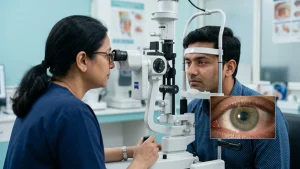
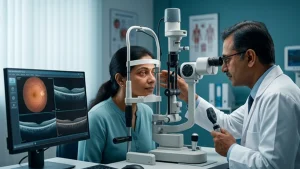
The base of healthy aging eyes is a comprehensive eye exam at intervals that which an ophthalmologist says. In a dilated exam the doctor is able to see the retina, macula and optic nerve. Per risk we may also have eye pressure measurement, visual field test or retinal imaging done at the visit.
This is true of many age-related eye diseases which may not present symptoms in early stages. In case of glaucoma the disease will have progressed to damage the optic nerve before we see clear signs of peripheral vision loss. Also with diabetic retinopathy there may be no early symptoms at all, while in macular degeneration which affects the center of vision — it may go unnoticed. Cataracts tend to develop slowly over time but at which point it will impair activities like reading, driving, recognizing faces. Frequency should be tailored. Diabetes, high blood pressure, a family history of glaucoma or macular degeneration, past eye surgery, high prescription strength and present eye condition may put you at greater risk which is why we pay closer attention. For reliable protective care begin by giving your doctor a full medical history, your medicine list and a report of any recent changes.
Regularity at which we see also includes evaluation of spectacle power and the eye surface. This is for healthy aging eyes which may see a new prescription, dry eye care or better lighting which in turn may bring back comfort.
2. Control Diabetes, Blood Pressure and Cholesterol
The eyes require healthy blood vessels and nerves. Diabetes damages retinal blood vessels which in turn also may be affected by high blood pressure and abnormal cholesterol. It is thus a key element of healthy aging eyes that we manage these issues with input from a physician. The National Eye Institute reports that also included in health management is physical activity which in large part plays a role in reducing the risk of medical conditions which in turn play a role in eye and vision problems. Is the proper care of your health which includes taking as prescribed by your doctor, attending medical check ups and doing the tests that are recommended. One should not discontinue diabetes, high blood pressure or high cholesterol regime just because vision seems to be fine. Retinal changes may start before any symptoms present.
This large scale approach is important in the context of eye aging. Eye drops by themselves do not protect vision when blood sugar or blood pressure is uncontrolled. In the case of the Government of India’s National Program for the Health Care of the Elderly they put forth exercise, balanced diet, tobacco avoidance and regular health assessment as elements of healthy aging. Diabetics should question how often they need a dilated retinal exam. Medical intervention and eye monitoring support healthy aging eyes better than symptoms alone.
3. Eat for Overall and Eye Health
A healthy diet which includes a variety of foods is key to healthy aging eyes. You may see that we recommend dark green veggies, colorful fruits and vegetables, pulses, nuts, seeds, whole grains and what is appropriate for you in terms of protein sources. Also, including fish high in omega 3’s is a good choice when it fits your health pictureThe National Eye Institute reports that a health at home approach is to promote leafy greens and fish as a cure for age-related eye diseases. It is true that no single fruit, vegetable or drink can reverse the progress of cataract, glaucoma or retinal damage. What we see in terms of value is a consistent dietary pattern which also supports health in the areas of weight, diabetes, blood pressure and cholesterol.
Supplements require great care. AREDS2 type supplements may slow progression in some people with certain stages of age related macular degeneration, but they are not for all as a general anti aging solution. High dose supplements may not be suitable because of a person’s smoking background, medical conditions or medications. An ophthalmologist should be the one to determine their use. Eye health in terms of what you put in your body focuses on regular balanced meals, sensible portion sizes and a good level of hydration instead of that which claims to be a superfood. This practical approach to eye aging is also safer and easier to maintain over time. Also we put nutrition back into the context of overall health which is where it should be instead of making health claims that aren’t supported by research.
4. Protect the Eyes from UV Exposure and Injury
Sunglasses are a key element of outdoor vision protection. We put in what they label to block out 99 to 100% of UVA and UVB rays and also it is a good idea to have a broad brimmed hat in very bright sun. Dark lenses which do not have proven UV protection should not be assumed to be safe. The National Eye Institute says to wear UV protective sunglasses even on cloudy days.Healthy eye function as we age includes prevention of eye injuries which happen at home, at work and during hobbies. For activities that include chemicals, power tools, gardening debris, flying particles or impact use of proper safety glasses or goggles is required. Prescriptive glasses are not a substitute for certified protective eyewear.
Injury prevention is a great issue for those with age-related eye diseases and past eye surgery. Easy steps to protect your vision protection a small accident from resulting in permanent damage.
After your eye surgery it is important to follow the doctor’s instructions regarding shields, activity and return to work. We find that individualized care plans do a better job at supporting healthy aging eyes as we age than general advice found online.
5. Avoid Smoking and Manage Irritating Exposures
Smoking does not only effect the lungs and heart. Also it causes cataracts and age related macular degeneration which the National Eye Institute reports also includes damage to the optic nerve. Thus it is also true that stopping tobacco is one of the best modified actions for healthy aging eyes.Smokers may benefit from structured cessation support. Also it is sensible to avoid second hand smoke which may burn, water or dry the eyes. This is practical for vision protection though we must note that it does not remove all hereditary risks.
Fans in the face, air conditioning, dust, smoke and long term computer use may cause ocular-surface distress. Changes to tear film that come with eye aging may put dryness more to the fore. Frequent blinking, breaks from the screen, appropriate room humidity and as recommended by your doctor artificial tears may help.
Persistent redness does not have to be treated long term with whatever OTC eye drops you have on hand. Also, allergy, lid inflammation, infection and other issues present with the same signs. A visit will help in healthy aging eyes by determining the root cause instead of just reducing redness.
6. Respond Early and Use Eye Medicines Safely
Prompt that which symptoms present themselves early is very important as some age-related eye diseases may progress while a person waits for the issue to settle. New distortion, reduced contrast, narrowing side vision, repeated changes to prescription or a noticeable difference between the two eyes requires assessment.
Medicine safety is a key aspect of vision protection. Out of professional care do not use your medications that include steroid eye drops, redness relief drops, and old prescriptions. Steroids may augment some infections and also may increase intraocular pressure in certain individuals. Prescribed drops should be applied as per the right dose which is determined by the health professional, also do not put the drop tip on to the eye, lashes or fingers.
People with glaucoma, retinal disease, inflammation and dry eye should still have follow up care even if symptoms improve. Many treatments we have are for control of the disease, not a permanent fix of the root issue. By which I mean as part of the process of eye aging this is a fact which we must come to terms with which in turn helps patients to be more consistent with their care.
Home monitoring is a useful tool as recommended by the ophthalmologist, but it does not replace an exam. For best results in healthy aging eyes we recommend a balance between self awareness and regular clinical assessment.
A Practical Routine for Older Adults
The following routine can help make healthy aging eyes part of long-term healthcare.
| Area of care | Helpful routine | Why it matters |
| Eye examinations | Follow the interval advised by the ophthalmologist | Helps detect silent or early disease |
| General health | Monitor diabetes, blood pressure and cholesterol | Supports retinal and optic-nerve health |
| Nutrition | Eat a varied diet and ask before taking supplements | Supports overall health without unsafe self-medication |
| Sun and injury safety | Use UV-blocking sunglasses and task-appropriate protection | Reduces avoidable exposure and injury |
| Tobacco | Seek help to quit and avoid second-hand smoke | Reduces a modifiable risk linked with major eye conditions |
| Symptom response | Report sudden, painful or progressive changes promptly | Allows urgent problems to be assessed sooner |
This program integrates healthy aging eyes into the fabric of routine health care which is far more a part of everyday life as opposed to an after thought. Small scale consistent choices play a greater role than great but short bursts of effort. As medical follow up and daily care team up, older adults are better able to maintain their independence.
When Should You Visit an Eye Specialist?
Schedule an appointment when you notice that vision is fading, light glare is increasing, reading is hard even with proper lighting, which your glasses do not correct or that one eye is different from the other. Also if you are a diabetic, have glaucoma, cataracts, retinal disease or chronic dry eye you should follow the eye doctor’s recommended schedule.
Seek immediate care for sudden vision loss, severe pain, a shadow or curtain, flashes which come with many new floaters, chemical exposure or a great eye injury. These may be signs of age-related eye diseases or some other emergency. Timely medical attention is very important for vision protection.
At ASG Eye Hospital we have ophthalmologists that will do a review of your symptoms, perform an eye exam and run the appropriate tests based on your risk. We aim to identify what is normal age related change, what issues are correctable and which conditions require treatment thus we help each patient make informed health care decisions for healthy aging eyes.
Conclusion
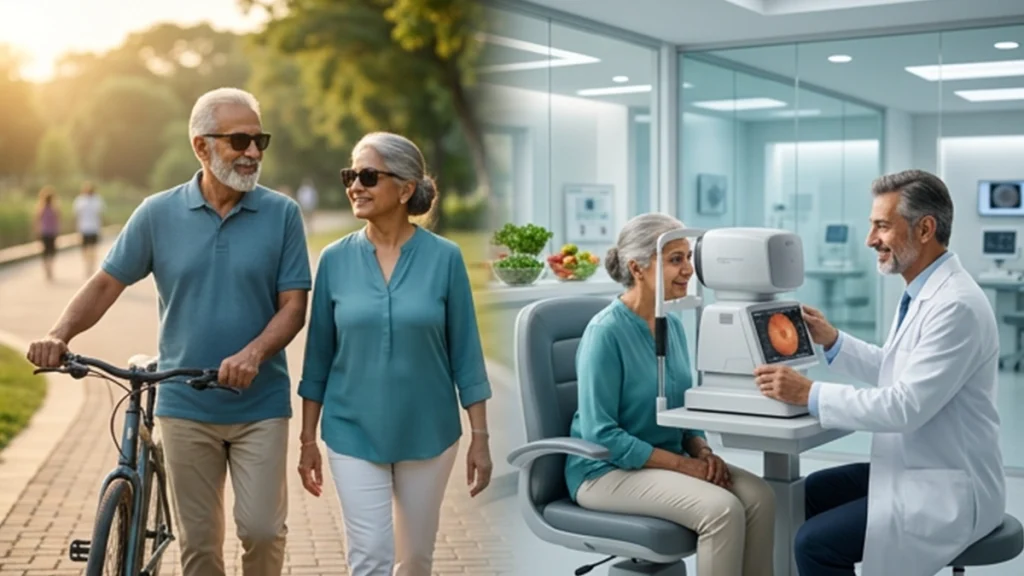
Ageing is a term which should not include the acceptance of preventable vision loss. For healthy aging eyes we put forth a plan which includes full scale exams, chronic disease management, a balanced diet, protection from UV and injury, avoidance of tobacco, responsible medicine use and early response to symptoms. While these measures do not remove all risks, they do improve vision protection and also support early detection of age-related eye diseases.
When change presents itself do not wait for it to become serious. An eye exam will tell if the issue is from normal age related eye changes, a correct or incorrect prescription or a condition that requires treatment. At ASG Eye Hospital we invite you to book in for a personal guide to maintaining healthy aging eyes.
Frequently Asked Questions
1. Are all vision changes after 50 normal?
No. Difficulty with near focus and requiring more light may present as a sign of eye aging, but sudden, painful, distorted or one sided vision issues should not be dismissed. An exam is a tool to tell which is between common age related changes and age-related eye diseases.
2. How often should an older adult have an eye examination?
The schedule of care is based on age, symptoms, diabetes, blood pressure, family history, previous surgery and present eye conditions. For healthy aging eyes, we recommend to follow up at the intervals which are put forth from a full exam.
3. Can cataract be completely prevented?
There is no sure fire way to prevent all cases of cataract. While we recommend tobacco avoidance, use of UV protected sunglasses and in general maintaining vision protection cataract may still develop at some point.
4. Do eye vitamins prevent all age-related vision problems?
No. Supplements do not prevent all forms of age-related eye diseases. AREDS2 types of products are for certain stages of macular degeneration and should be taken only as per professional advice.
5. Does screen time permanently damage older eyes?
Screen time also reports temporary fatigue, dryness and focusing issues. As we eye aging, do, which is why it is important to take breaks, blink often and get the right spectacle prescription which in turn may improve comfort. If symptoms persist see your eye care professional.
6. Is glaucoma always noticeable?
No. Some glaucoma cases present no early tell of the disease. That is why eye pressure check and optical nerve assessment are very important for healthy aging eyes also if there is a family history.
7. Can diabetes affect the eyes before vision changes?
Yes. Diabetics may experience retinal changes before they notice blurred vision. Good diabetes control and a regular regimen of dilated eye exams is key for vision protection.
8. Which symptoms need immediate attention?
Sudden vision loss, severe pain, dark shadow, flashes of light and presence of many new floaters, chemical injuries which present marked redness of the eye and nausea require immediate assessment. They should not be considered as part of normal age related eye aging.