
Our senses which present to us the world in all its aspects, yet we do not pay attention to eye care until a problem presents itself. For great long-term eye health you must make healthy daily choices, have regular check ups, and seek out treatment at the first sign of an issue. Many eye conditions present slowly and without any clear symptoms. Which is why prevention is key at any age.
Following basic healthy eye habits which in turn will reduce avoidable risks and improve vision. We put forth these practical eye care tips which will help you maintain healthy vision as you age. Also we describe how to protect eyesight through small consistent changes.
1. Schedule Regular Eye Examinations
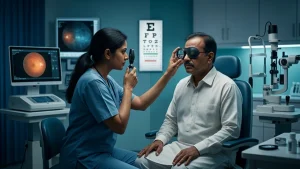
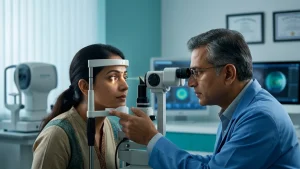
Regular eye care is a must for long-term eye health which may not show issues at present. An ophthalmologist is able to identify the early signs of glaucoma, cataracts and retinal problems before they become apparent to you. Also your doctor will put together a schedule for your eye exams based on your age, health history and risk factors.
The National Eye Institute says that it is very important to have a full and dilated eye exam in order to catch eye diseases at early stages. Also they report that of all the preventative eye care tips out there these exams are at the top.
2. Eat a Balanced, Eye-Friendly Diet
A proper diet for the health of your long-term eye health which includes nutrients that your eyes require. Try out including lots of spinach, carrots, citrus fruits, eggs, nuts, and fish in your diet. Also do pay attention to dark leafy greens and fish that are high in omega 3 fatty acids.
Good nutrition is the base of healthy eye habits. Also when you pair it with regular exercise you are supporting your total health which in turn will protect eyesight over time.
3. Wear Sunglasses Outdoors
Sunlight gives off ultraviolet (UV) rays that are bad for your eyes. Go for glasses that block out 99-100% of UVA and UVB. Also wear them outside even when it is overcast.
This easy step for daily routine supports long term eye health and also reduces unnecessary UV exposure. Wide brimmed hats also provide extra protection. The CDC’s official vision health report which goes into this in detail also notes how sunglasses and protective eyewear play a role in eye care.
4. Take Regular Breaks From Screens
Every 20 minutes take a look at what is about 20 feet away for at least 20 seconds. Also remember to blink often and to adjust your screen brightness.
These practical eye care tips will improve your comfort level while using screens. Also include breaks which are good for the health of your eyes in the long term, in particular if you use digital devices for long stretches of the day.
5. Maintain Healthy Blood Sugar and Blood Pressure
Diabetes and high blood pressure are which over time may cause changes to the eyes’ blood vessels. Also with these conditions over a long term you risk your vision health. See your health care provider at your yearly appointments, follow your doctors recommended treatments, also use at home monitors if given by your professional.
Managing those conditions is important for long-term eye health. People with diabetes may require regular dilated eye exams even when their vision seems normal.
6. Avoid Smoking
Smoking is a risk factor for serious eye problems which include cataracts and age related macular degeneration. To stop smoking is to improve the health of your eyes and also that of the rest of your body.
Avoiding tobacco is one of the most valuable healthy eye habits you can adopt.
7. Use Protective Eyewear
Wear proper eye protection at home while doing repairs, in the garden, in the lab and with any other activity which may cause eye injury. For sports there is also protective eyewear which is designed specially for you.
Protective gear is a way to avoid eye injuries which may affect your long term eye health. For each activity choose the appropriate eyewear which is designed for that task instead of your everyday glasses.
8. Handle Contact Lenses Carefully
Always before you handle your contacts make sure to wash and dry your hands. Follow your eye care professional’s instructions for cleaning and storing your lenses. Do not use tap water to clean your lenses or wear them while you sleep unless your doctor says it is ok.
Following these healthy eye habits which in turn reduce the risk of irritation and infection. At the first sign of pain, redness, or sudden blurred vision stop wear of your lenses and seek medical attention.
9. Get Enough Sleep and Stay Active
Adequate sleep gives your eyes time to heal from daily stress. Also report what regular exercise does for overall health and how it plays a role in the management of diseases which affect the eyes.
These lifestyle changes improve long-term eye health. They are health tips which do apply to all age groups also when put into practice along with a balanced diet and regular medical check ups.
10. Never ignore changes in your vision
Blurred vision, persistent redness, atypical floaters, flashes of light, peripheral vision changes take you to the doctor. Sudden vision loss, severe eye pain, onset of many floaters with flashes do not wait to be seen.
Identifying at which point you should see a professional is the key to good long-term eye health. Timely care may also put a stop to some progressions. These warning signs should not be passed off as just tiredness.
Quick Reference: Everyday Eye Care
| Daily habit | Recommended action | Benefit |
| Screen use | Follow the 20-20-20 rule | Reduces digital eye strain |
| Outdoor activities | Wear UV-blocking sunglasses | Limits UV exposure |
| Nutrition | Eat vegetables, fruit, and fish | Supports overall eye health |
| Contact lenses | Clean and handle them correctly | Reduces infection risk |
| Physical activity | Exercise regularly | Supports general health |
When Should You Book an Eye Examination?
| Situation | Recommended response |
| No symptoms | Follow your eye doctor’s examination schedule |
| Diabetes or high blood pressure | Ask how often you need a dilated eye exam |
| Persistent redness or blurred vision | Arrange a prompt eye assessment |
| Sudden vision loss or severe eye pain | Seek emergency medical care |
Conclusion
Maintaining good long-term eye health is quite easy. Have regular eye exams, eat healthily, wear clothing which protects you from UV rays, take breaks from the screen, and practice proper contact lens care which may produce great results also include not smoking, managing any health issues you have and if you notice a change in your vision see a doctor.
Start out with these healthy eye practices and make them a part of your daily routine. Over time which is to say at every stage of life consistent eye care tips will support your vision and also help protect eyesight for the future
Frequently Asked Questions
1. How often do you need to get your eye exams?
For the best course of action that is a question of your age, health, vision issues, and risk factors. It is best to consult your ophthalmologist in determining how often you will require a full eye exam.
2. Can that which we do daily really improve our vision health?
Yes. A balanced diet, UV protection, safe contact lens wear, and regular exams can play a role in that. But it is important to know that these don’t prevent all eye diseases
3. Does screen time damage vision permanently?
It is well known that computer use causes temporary dry eyes and eye strain. Take breaks often and if you see that symptoms persist or your vision changes, seek advice.
4. What best protects your vision?
Get into the routine of annual eye exams. Some eye diseases present with no symptoms in the early stages which is why your doctor will be able to suggest the preventive care that is right for you.
Government Health References
1. National Eye Institute’s healthy vision resources
https://www.nei.nih.gov/eye-health-information/healthy-vision