
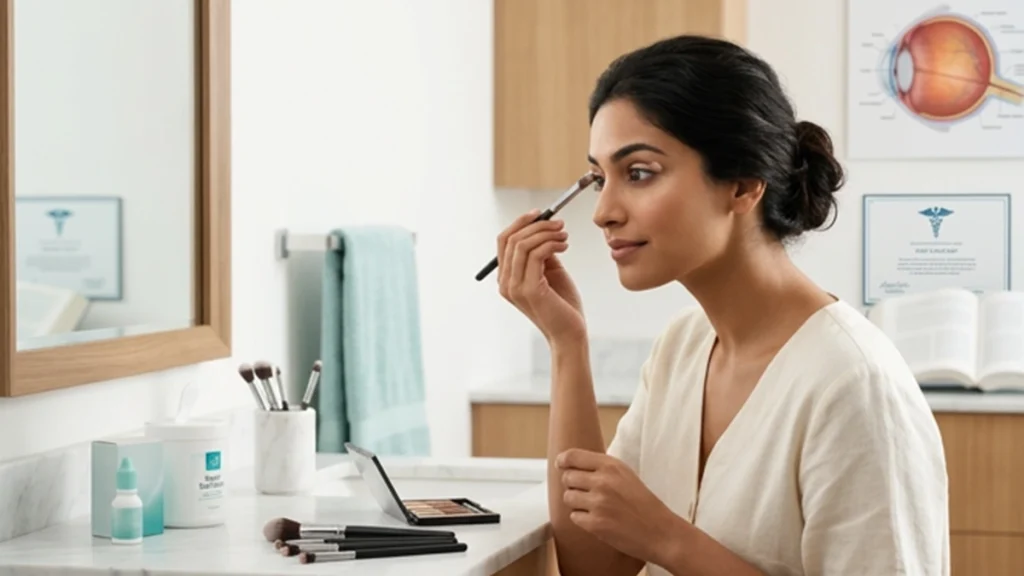
Eye makeup can serve as the final touch to your look for daily wear, a special occasion or a celebration. But we must bear in mind that the products used around the eyes need extra care. Wrong application, contaminated products and sensitivity to some ingredients are issues at play. We must also be aware of what causes cosmetic makeup-related eye irritation which in turn will help us to enjoy our make up more while at the same time protect our eyes. Also some easy tips can improve eye makeup safety which in turn supports long term use of makeup and eye health.
1. Choose Products Made for the Eye Area
Not all makeups are appropriate for the eye area. Before you apply eyeliner, mascara, kajal or eyeshadow do your research. What goes on in other areas may include ingredients which are not meant for the eye area’s delicate skin. This is a very important element of eye makeup safety and in fact will reduce the risk of eye irritation from makeup. Also by choosing the right products you are supporting better makeup and eye health at the same time you will be preventing most cases of eye irritation which are makeup related.
2. Wash Your Hands Before Applying Makeup
Hands may play the role of transporting dirt, microorganisms from which your cosmetic applicators and eyes may fall victims to. Before you get into your makeup routine, wash, dry your hands. Also keep your brushes, pencils and applicators clean. With these small measures you will greatly improve eye makeup safety and do a great job in reducing the risk of eye irritation from use of makeup. Good hygiene is also very much about protecting the makeup and eye health, and of the makeup products, in particular when they are used near the lash line.
3. Never Share Eye Cosmetics
Sharing make-up like mascara and eyeliner is a way that germs may pass between people. Also at cosmetic counters the risk may apply to shared samples which may be used again. Use your own products and do not share them out with even close friends and family. This is for eye makeup safety and also to prevent eye irritation from makeup. It also reduces one cause of eye issues related to make up.
4. Replace Old or Contaminated Products
Eye make up does not last forever. Heat, moisture, repeated application and poor storage will damage the product. Discard mascara which has dried out, changed in smell or texture, or has passed the manufacturers’ recommended use by date. Do not add water or saliva to it to revitalize it. The US Food and Drug Administration says to handle and replace old eye make up products with care which in turn reduces risk of infection. FDA eye cosmetic safety guide. These practices improve eye makeup safety and also help to reduce eye irritation.
5. Apply Makeup Carefully
The skin around the eyes is very delicate, and we tend to do damage when we aren’t careful with application which in turn can affect the eye’s surface. Sit still in a well lit area when applying make up. Also stay away from putting the eyeliner very near to the water line which is a place where products may get in the tear film. Do not put on make up in a moving car. Careful application techniques support eye make up safety, they reduce the chance of eye irritation from make up and in the end protect your makeup and eye health.
6. Remove Makeup Before Sleeping
Leaving on eye make up through the night can cause products to accumulate around the eyes and lashes. Gently remove at the end of the day with a recommended make up remover which should be used as instructed. Do not rub or pull at the eye area and also avoid using sharp tools to remove dried mascara. Gentle removal is a key part of eye make up care which in turn may help to reduce eye irritation from make up. It also supports healthier eyelid hygiene and better makeup and eye health.
7. Stop Using Products That Cause Discomfort
Burning, stinging, redness, watering or swelling which may present after use of cosmetic products is your body’s sign that there may be irritation or an allergy. Stop use of that which you think is the cause right away.While your eyes are still irritated do not put in any more make up. If symptoms persist see an eye care professional. In the case of severe pain, light sensitivity or changes in vision go to the emergency. Early identification of symptoms may help to prevent makeup related eye issues from becoming a more serious issue.
Common Symptoms and What They May Mean
| Symptom | Possible explanation | Recommended response |
| Mild itching or redness | Sensitivity or irritation | Stop the product and monitor symptoms |
| Watery eyes or burning | Cosmetic residue or irritation | Remove makeup gently and avoid reapplication |
| Swelling or persistent discomfort | Possible allergic reaction or another eye condition | Seek advice from an eye-care professional |
| Severe pain or blurred vision | Potentially serious eye problem | Seek urgent medical assessment |
Symptoms do not always reveal the exact cause. A professional examination can help distinguish simple irritation from an infection or another eye condition.
Quick Guide to Safer Makeup Habits
| Makeup habit | Safer approach |
| Selecting cosmetics | Use products specifically intended for the eye area |
| Cleaning applicators | Wash reusable brushes regularly and let them dry |
| Storing products | Keep containers closed and away from excessive heat |
| Wearing makeup during an infection | Avoid eye cosmetics until the infection has resolved |
| Experiencing discomfort | Stop using the product and seek advice if symptoms continue |
These practical measures make eye makeup safety easier to maintain and help reduce preventable eye irritation from makeup.
Conclusion
Prevention of eye irritation from make up is a result of using the right products, practice of good hygiene and careful application. Outdated make up should be thrown out, take it off before going to sleep and at the first sign of discomfort seek treatment. These practices support eye make up safety and in turn better eye health. If irritation persists or you see changes in your vision seek out an eye care professional instead of home remedies.
Frequently Asked Questions
1. Can eye makeup cause an eye infection?
Yes. Contaminated beauty products and make up tools can bring in microorganisms around the eyes. Do not share your products, use clean tools and throw out old make up. If an infection breaks out, stop using eye make up and see a doctor.
2. Is kajal safe for everyday use?
Safety is a result of the product’s ingredients, quality and intended use. Go for products which are labeled for eye use and stay away from unverified cosmetical [products]. Some traditional kohl or kajal items may contain lead, so pay close attention to the product info.
3. What should I do if my eyes become red after applying makeup?
Stop use of the put away product and do a gentle make up removal. Do not reapply it out of which the issue may present itself again. See an ophthalmologist if redness persists, and go to the emergency room for pain or vision changes.
4. Can I wear eye makeup while I have an eye infection?
It is best to wait until the infection runs its course and your health care provider says it is ok to put eye make up on. Throw out what you used while infected as they may have become contaminated.
Reference Links
For further information, read the US Food and Drug Administration’s https://www.fda.gov/cosmetics/cosmetic-products/eye-cosmetic-safety
For personalised assessment, consult an eye-care specialist at ASG Eye Care through https://asgeyehospital.com/