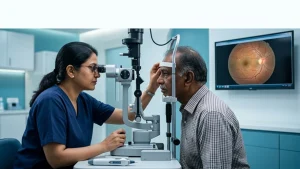

Glaucoma first line of treatment is usually prescription eye drops. These meds reduce intraocular pressure and also protect the optic nerve. But they do not work well enough for all patients. If pressure stays high or glaucoma progresses, ophthalmologists will bring up the option of tube shunt surgery. The aim of tube shunt surgery glaucoma is to improve fluid outflow which in turn preserves what sight is left. It does not restore vision that has been lost which is why early intervention and regular check ups are key.
What Is Tube Shunt Surgery?
During the course of tube shunt surgery glaucoma the surgeon places a small tube in the eye. That tube directs fluid to a plate which is under the conjunctiva, the layer of tissue that covers the white of the eye. A thin capsule forms around the plate which in turn allows for gradual drainage of the fluid. This is a solution we turn to when medicines and earlier surgery has not been sufficient. For a select group of patients tube shunt surgery glaucoma provides an option to reduce intraocular pressure and in that way to protect the optic nerve.
The implant we refer to as a glaucoma drainage device. A glaucoma drainage device may be used in eyes which have had scar tissue form or which are less responsive to standard surgery. We use this option in complex cases of refractory glaucoma which do not respond to regular treatment.
When Might Surgery Be Recommended?
An ophthalmologist may bring up tube shunt surgery glaucoma in which pressure is high still despite the patient’s reported proper use of prescribed medicine. Also this may be put forth as an option after previous glaucoma surgery has done no good. The doctor will look at the patient’s eye health, what past procedures have been done and the target pressure before he recommends tube shunt surgery glaucoma..
An ophthalmologist may bring up refractory glaucoma as a treatment for glaucoma in which pressure is still high despite the patient’s reported proper use of prescribed medicine. Also this may be put forth as an option after the previous glaucoma drainage device has done no good. The doctor will look at the patient’s eye health, what past procedures have been done and the target pressure before he recommends tube shunt surgery glaucoma.
Understanding the Ahmed Valve
An Ahmed valve is a type of implant which has a valve feature to control fluid flow. An Ahmed valve is an option when a drainage implant is used. The decision is also based on the eye’s health, pressure target and what the surgeon determines best.
An Ahmed valve is a solution which does not put an end to glaucoma progression or do away with the use of eye drops. Some patients do in fact continue on their medication post surgery. The specialist will watch the pressure and the healing process and will change the plan as is needed. A review may determine that an Ahmed valve or some other glaucoma drainage device is what is best for the patient.
Comparing Treatment Options
The best care is based on pressure readings, health of the optic nerve and past procedures. We may bring up tube shunt surgery for glaucoma after a thorough exam. Also not all patients with high pressure require an implant and not all people with refractory glaucoma require the same procedure.
| Treatment option | Main purpose | What to discuss |
| Prescription eye drops | Lower pressure with regular use | Correct use, side effects and pressure control |
| Laser treatment | Improve fluid drainage in suitable cases | Likely benefit and whether repeat treatment may be needed |
| Tube shunt surgery | Redirect fluid through an implanted tube | Risks, recovery and long-term monitoring |
A glaucoma drainage device is an option for some patients but also has risks. Complications may include inflammation, infection, tube blockage, pressure which becomes too high or too low, and issues with adjacent eye structures. In the case of tube shunt surgery for glaucoma care must be taken in its preparation and follow up.
Recovery and Follow-Up
After having had tube shunt surgery glaucoma patients usually are put on a regimen of eye drops to reduce inflammation and to also to decrease the chance of infection. It is common for the eye to be sore or to appear red in the early stages of recovery. The doctor will go over which activities are best to avoid and what can be resumed to normal routine. Also at follow up visits the surgeon goes over which activities to avoid and when it will be ok to go back to normal routine. Follow up is very important as pressure in the eye can change as it heals. Also at these visits it is determined if the tube shunt is doing what it is supposed to do.
An Ahmed valve implant requires follow up. The surgeon will check tube position, healing and pressure. That said we may do very well from the surgery which doesn’t mean your glaucoma care is over. Patients should report to their follow up appointments and must not stop their prescribed medicine without that which is OK from their clinician. In refractory glaucoma we do regular reviews in which we determine as a team if more treatment is needed.
Conclusion
When drugs no longer help with pressure, tube shunt surgery may present as another option for saving what vision is left in glaucoma. The procedure is to redirect fluid through an implantable tube, but it does require very careful planning and follow up. It is important that patients discuss the benefits, risks and other options with their ophthalmologist.
Frequently Asked Questions
1. Does tube shunt surgery cure glaucoma?
No. Tube shunt surgery for glaucoma reduces pressure and in turn may slow the progression of the disease but does not reverse vision loss which has already occurred. Lifelong follow up is key as glaucoma may still progress post surgery.
2. Will eye drops still be needed after surgery?
Some patients still go to using drops post surgery. Number of meds may vary based on pressure and how the healing is going. Only the ophthalmologist that which change the treatment plan.
3. Is an Ahmed valve suitable for everyone?
No. An option of the Ahmed valve is that which is put forward by surgeons. They look at the type of glaucoma, past operations, eye anatomy and target pressure before they decide which device is best.
4. What happens if glaucoma remains uncontrolled?
Refractory glaucoma will require assessment from a specialist in terms of pressure, optic nerve changes, and past treatment. It is at the doctor’s discretion to present an option of an implant, or any other appropriate treatment accordingly.
References Link
- United States Environmental Protection Agency:
https://www.epa.gov/air-research/research-health-effects-air-pollution
2. Read the U.S. National Eye Institute’s guide to glaucoma surgery:
https://www.nei.nih.gov/eye-health-information/eye-conditions-and-diseases/glaucoma/glaucoma-surgery