
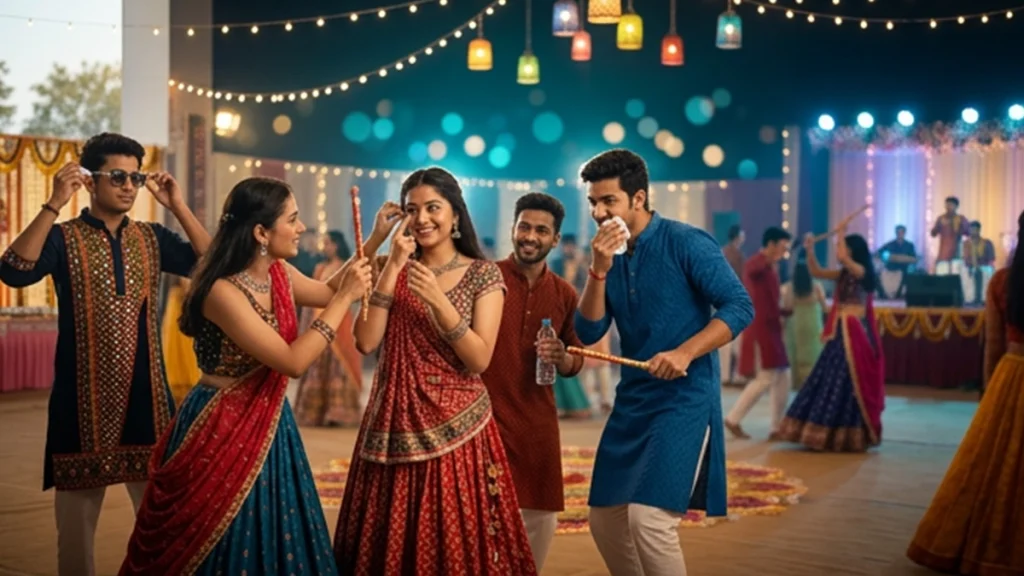
Navratri has us in colorful attire, at the peak of energy in our Garba, under bright lights which dance to the music, through late night festivities. Though it is an exciting time, it also brings in more of the dust, sweat, makeup, screen use, and accidental contact for our eyes. A little care for your Navratri eye care will help you enjoy the Garba nights without eye discomfort.
Crowd filled areas also play a role in causing accidental eye injuries. In terms of government health advice on eye trauma they stress the issue of prevention of eye injuries and the prompt seek for care when injury does happen.
Why Navratri Eye Care Matters During Garba
Garba events go on for many hours. For that duration which includes bright decorative lights, dust, sweat, dehydration, makeup, and lack of sleep your eyes may become tired and irritated. Also people who wear contact lenses report more so of this discomfort.
Good for your Navratri eye care is not a complex routine. Easy tips before, during, and after Garba will support eye health. Also they may reduce avoidable irritation and eye strain over the festive season.
| Common Garba-Night Factor | Possible Eye Concern | Helpful Habit |
| Dust and outdoor exposure | Irritation and watering | Avoid rubbing your eyes |
| Long hours and bright lights | Eye strain and tiredness | Give your eyes regular breaks |
| Sweat and makeup | Burning or irritation | Keep the eye area clean |
| Contact lenses | Dryness and discomfort | Follow proper lens hygiene |
| Crowded dance areas | Accidental eye injury | Maintain safe space while dancing |
1. Start With Clean Hands
Clean hands are a key to proper Navratri eye care. Before putting in contact lenses or touching your eyes, wash up. Also during Garba, don’t rub your eyes even if sweat or dust is causing that, it will just make the issue worse.
2. Be Careful With Contact Lenses
Contact wearers should pay special attention to Garba eye care. Follow the wear schedule that your ophthalmologist recommends. Also it is of great importance to wash your hands before handling lenses. If you notice redness in your eye, pain, excessive tearing, or any strange symptoms at all remove the lenses and see a professional right away.
3. Choose Eye Makeup Carefully
Glitter, kajal, eyeliner, mascara, and decorative cosmetics do also finish off a Navratri look. But we do see some eye irritants which get in there.
For safe festive eye care do not put in products so near the inner eyelid. Also do not share your eye make up. At night remove make up completely even after a late Garba night
4. Protect Your Eyes From Dust
Outside at many Garba sites dust is an issue as we see large crowds which keep at it for hours. Dust can cause watering, itching, or a gritty sensation.
As for Navratri eye care it is advised that you do not rub your irritated eyes. The health authorities say to flush out dust, sand or little particles with clean water or sterile saline instead of rubbing your eye.
5. Give Tired Eyes Some Rest
At night, in the early morning, during phone photography, and with heavy social media use eyes may see strain. Give your eyes a rest also.
Put in short visual breaks through the day. Reduce phone use in between dance sessions. Getting adequate sleep post celebrations also plays a key role in care of eyes during Navratri.
6. Stay Hydrated During Long Garba Sessions
Hours at the dance floor may leave you drained and thirsty. Throughout the evening do take in plenty of water.
Hydration is key to feeling well and also plays a role in that which we may call your total festive health care routine.
7. Prevent Accidental Eye Injuries
Combine proper hydration routines with good sleep and smart contact lens care for better Garba eye care through Navratri.
Dandiya rods, jewelry, in crowded dance floors, and sudden movements which may cause accidental eye contact. Stand back from other dancers and be aware of people around you.
| Eye Situation | What to Consider |
| Mild tiredness after a long evening | Rest your eyes and reduce screen exposure |
| Dust or a small particle enters the eye | Rinse gently with clean water or sterile saline |
| Persistent redness or discomfort | Consider an eye examination |
| Severe pain after an injury | Seek prompt medical care |
| Sudden change or loss of vision | Seek urgent medical attention |
8. Do Not Ignore Persistent Symptoms
Temporary tiredness will improve with rest. As for persistent redness, pain, swelling, light sensitivity, discharge, or vision changes do not put it down to celebration. Timely professional evaluation is a key element of Navratri eye care.
In India’s National Program for Control of Blindness and Visual Impairment we stress comprehensive eye care services and prevention of visual impairment.
Conclusion
Navratri is a time for joy, we should not forget to take care of our eyes at the same time. For healthy eyes which will see you through the Navratri, pay attention to this, wash your hands, think twice before putting on that make up, be responsible with your contact lenses, get your rest, drink plenty of water, and be aware of eye injuries.
If you have continuous pain in your eyes or you notice that your vision has changed see an eye care professional which will help to determine the cause of the issue and get you the right care.
FAQs
1. How can I protect my eyes during Garba?
Practice easy Navratri eye care tips. Keep hands clean, don’t rub your eyes, use make up with care, properly manage contact lenses, and be alert in large dance crowds.
2. Can Garba nights cause eye strain?
Long celebrations, bright lights, insufficient sleep, and frequent phone use may contribute to eye strain. Short breaks and adequate rest can help reduce tiredness.
3. Is it safe to wear contact lenses during Garba?
Many folks do wear lenses well when they practice good hygiene and follow what their eye care professional says. In regard to Garba eye care that is very important in dusty environments.
4. What should I do if dust enters my eye?
Do not do it. The government first aid advice is to rinse out small particles with clean water or sterile saline. If pain or other serious symptoms persist, go get medical help.
5. When should I visit an eye doctor after Garba?
Seek professional care for chronic pain, marked redness, eye injury, light sensitivity, or changes in vision. Prompt assessment is a key element of responsible festive eye care and Navratri eye care.
References
- Ministry of Health & Family Welfare – Standard Treatment Guidelines for Ophthalmology
https://clinicalestablishments.mohfw.gov.in/en/standard-treatment-guidelines - National Health Mission Maharashtra – National Programme for Control of Blindness and Visual Impairment
NHM Maharashtra Eye-Care Programme