Turning at 40 we see that there are small but noticeable changes in focus, reading comfort, and light sensitivity. Eye Care After 40 becomes important as in many cases age related eye changes may begin before we see any major symptoms. A regular routine supports Healthy Vision, identifies Presbyopia at an early stage, and also improves Cataract Prevention.
Why Your Eyes Change After 40
Over time the natural lens in the eye becomes more rigid. This may cause a hard time with close work and may bring about Presbyopia. You may hold your phone at arm’s length, need more light, or feel fatigued while reading. Good Eye Care After 40 helps you cope with these changes which in turn protects Healthy Vision.
Age also raises the risk of cataracts, glaucoma, diabetic eye disease, and retinal problems. That is why Eye Care After 40 should include regular eye examinations, not only new glasses. A preventive Eye Care After 40 approach can identify changes earlier and strengthen Cataract Prevention. Early checks also support sensible Cataract Prevention and long-term Healthy Vision.
| Common change | What you may notice | Why it matters |
| Presbyopia | Near text looks blurry | Proper correction can improve reading comfort |
| Cataract changes | Glare, faded colours, blurry sight | Monitoring supports Cataract Prevention |
| Eye strain | Tired or dry eyes | An exam can identify the cause |
Make Eye Exams a Priority
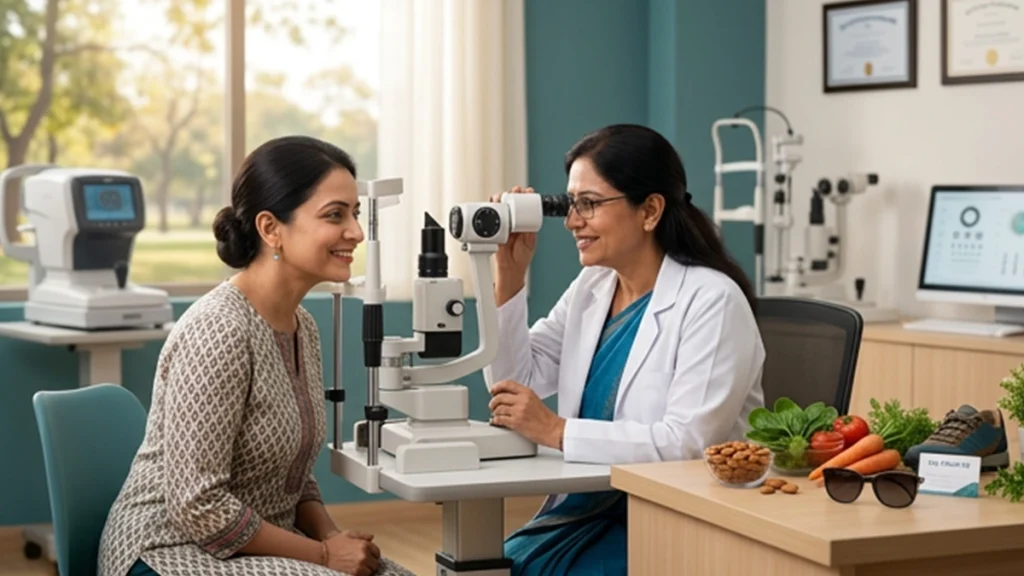
Routine exams are a component of Eye Care After 40. In the 40 and beyond category of Eye Care we have consistent check ups. At the hands of an ophthalmologist you may be evaluated for your prescription, eye pressure, retina, optic nerve, and lens. These tests which in turn protect Healthy Vision are important because some eye diseases may progress without symptoms.
People that have diabetes, high blood pressure, glaucoma in the family, or a history of eye disease may require more frequent exams. Personalized Eye Care After 40 we put your risk into perspective which makes the service more useful.
Manage Presbyopia Properly
Presbyopia is a typical age related issue which often presents in the 40s. Reading glasses, bifocals, progressive lenses or appropriate contact lenses are solutions. Also in Eye Care After 40 we must not assume that any new blurs are due to Presbyopia.
Sudden vision loss, flashes, new floaters, severe pain, or one sided blur require prompt medical attention. For better comfort in Presbyopia and in support of Healthy Vision during daily tasks we see that good lighting and larger text help.
Protect Your Eyes From UV and Lifestyle Risks
UV protection is for Cataract Prevention. Put on sunglasses which block out UVA and UVB rays when you are outdoors, also try a wide brimmed hat in very bright sun. This is a point in Eye Care After 40 and supports Cataract Prevention.
Smoking, poorly controlled diabetes, and chronic health problems can affect the eyes as well. Keeping blood sugar and blood pressure in check, getting enough sleep, and staying physically active can support Cataract Prevention, Healthy Vision, and better Eye Care After 40
| Daily habit | Eye health benefit |
| UV-blocking sunglasses | Supports Cataract Prevention |
| Leafy greens, fruits, nuts, and fish | Supports Healthy Vision |
| Screen breaks and regular blinking | Reduces dryness and eye fatigue |
| Regular health checks | Strengthens Eye Care After 40 |
Eat and Work in Eye-Friendly Ways
A healthy diet supports Healthy Vision. From leafy greens to colorful fruits, nuts, seeds, and fish all have a role in a healthy eating plan. Nutrition is a base for Eye Care After 40 which is in addition to professional care.
Screens do not cause Presbyopia but what little eye health you have may go down in length of time you spend up close. Do — which break often, magnify text when you need to, reduce the glare as much as possible, and place screens at an arm’s distance. If you do these things Eye Care After 40 will be made easier to do and may also see a day to day improvement in your comfort. Also with consistent Eye Care After 40 we can help frequent screen users.
Conclusion
Strong Eye Care after 40 is a daily commitment. In — that includes regular eye exams, managing changes related to near focus, prevention of cataracts, wearing UV protection, a healthy diet, and improving general health. Proactive Eye Care After 40 can go a long way in protecting Healthy Vision and making sure that everyday tasks remain easy as you age. Eye Care After 40 should be a regular part of your health care routine.
FAQs
1. Is Presbyopia normal after 40?
Yes. Presbyopia sets in as the lens loses its flexibility with age. It usually appears in the 40s and can be corrected with the use of appropriate lenses.
2. Can cataracts be completely prevented?
No approach is free of defects in the issue of Cataract Prevention. That said, we see value in UV protection, not smoking, managing diabetes, and in regular eye check ups.
3. How often should I get an eye examination after 40?
The appropriate schedule goes by age, family history, medical conditions, and present eye health. A tailored Eye Care After 40 plan is best.
4. Can healthy food improve eyesight?
Healthy food supports Healthy Vision, but it cannot replace glasses, treatment, or professional examinations.
5. When should I seek urgent eye care?
Seek immediate care for sudden vision loss, severe pain, flashes of light, a sudden increase in floaters, or a dark curtain like shadow. Eye Care After 40 also means to pay attention to your first signs of trouble