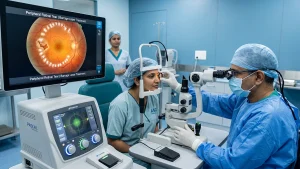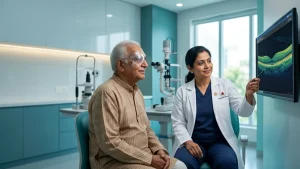
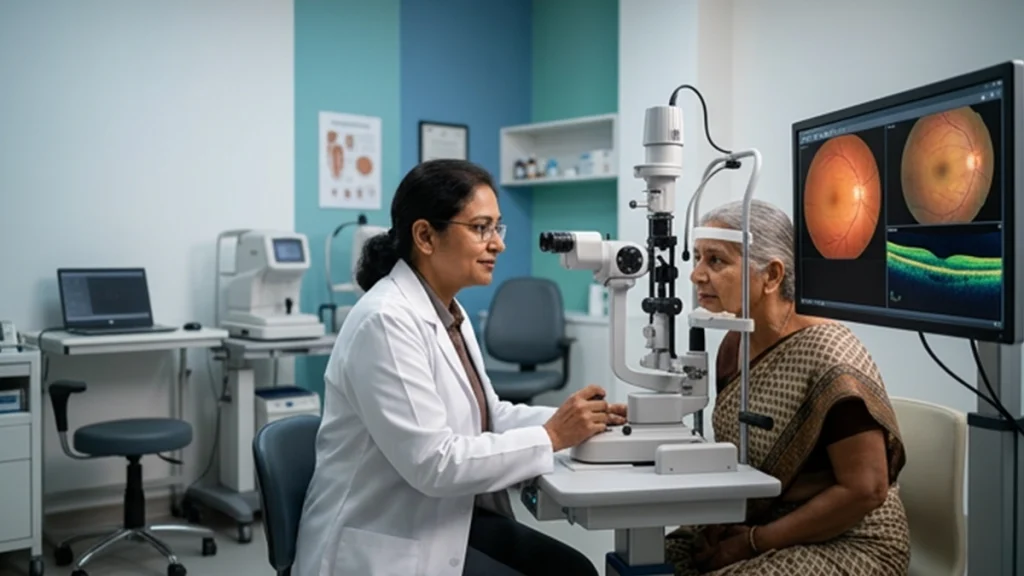
The retina which forms the inner layer of the eye is what perceives light. Also it is the component which turns light into electrical signals which the brain then processes into what we see as sight. Retina scan which an ophthalmologist does gives us a very detailed look at this fragile structure also in identifying issues which may not yet be causing symptoms at the time of diagnosis.
A retina scan is also a part of the routine retina check up, for people with diabetic retinopathy as well as in case of sudden onset of blurred vision, flashes, floaters or any other visual disturbances. As per the health issue you are facing, the doctor may also go for a combination of the scan along with a retinal eye exam and other related tests.
What Is a Retina Scan?
A retina scan is a type of imaging which produces detailed images of the retina and structures at the back of the eye. What technology is used may differ according to what the ophthalmologist is looking for.
When patients ask what is retina test what they are put forward to is retinal photography, optical coherence tomography, or a dilated fundus exam. A retina test is usually a pain free procedure which also has diagnostic use for the macula, retinal blood vessels, optic nerve and surrounding tissues.
A retinal examination is of great value as in some retinal conditions damage may occur which is not noticed till late stage.
Common Tests Used to Examine the Retina
Your ophthalmologist may order for you to have one or more tests at the time of a retina scan or comprehensive retinal exam.
| Test | What It Helps Evaluate |
| Dilated fundus examination | Retina, optic nerve, blood vessels and macula |
| OCT scan | Detailed cross-sectional images of retinal layers |
| Fundus photography | Photographs of the retina for documentation and comparison |
| Fluorescein angiography | Blood circulation and leakage in retinal vessels |
| Visual acuity testing | How clearly you can see |
| Visual field testing | Central and peripheral vision |
Optical Coherence Tomography which we also know as OCT uses light waves to produce in depth images of retinal tissue. Also according to the National Eye Institute OCT is able to provide very detailed images of the inner eye.
What Happens During a Retina Scan?
Before the retina scan, the eye care team will do a vision test and ask you about your symptoms, medical history and medications. In some cases we will use eye drops to dilate the pupil.
During a wide retinal eye exam which is what we also call a dilated eye exam the large pupil allows the ophthalmologist to look at more of what is going on in the eye. The National Eye Institute also reports that dilation of the pupil which in turn dilates the blood vessels in the eye, is done so that doctors may check for issues like diabetic retinopathy, glaucoma and age related macular degeneration.
For the most part you will sit in front of the device which does the retina scan. Also in the great majority of cases the equipment will take the images without touching the eye.
The retina test in general is quick. If dilation is required which is a usual thing to do then you may notice some light sensitivity and blurred near vision after.
What Can a Retina Scan Detect?
A retina scan may determine if there is retinal swelling, abnormal blood vessels, bleeding, thinning, fluid accumulation and also report on changes around the macula or optic nerve.
| Condition | Possible Findings During Retinal Examination |
| Diabetic retinopathy | Leaking, damaged or abnormal retinal blood vessels |
| Macular disease | Fluid, swelling or structural changes near the macula |
| Retinal tear or detachment | Breaks or separation involving retinal tissue |
| Retinal vascular disease | Changes in retinal circulation |
| Other retinal disorders | Abnormalities requiring further evaluation |
A retinal examination does not in itself indicate a serious condition. Results to be put in context by an ophthalmologist along with symptoms and other clinical reports.
Retina Scan for People With Diabetes
A regular diabetes eye test is very important as diabetes affects the small blood vessels in the retina.
India’s Ministry of Health and Family Welfare reports that people with diabetes should get their retina or fundus checked out regularly which may also be done when vision appears to be fine as at times early retinal changes do not produce noticeable symptoms.
During a diabetes eye test doctors will do a dilated retinal exam, retinal photography, and an OCT retina scan at their health care’s discretion based upon your specific case.
The Ministry has included in its clinical guidelines that fundus examination and digital retinal screening are key tools for detection of diabetic retinopathy.
How Are Retina Scan Results Interpreted?
After the retina scan which is a study of the retina the ophthalmologist goes over the images looking at retinal thickness, blood vessel health, the macula and the optic nerve.
A normal report indicates that we did not see any great issues during that particular retina test. An abnormal report may require us to do more in depth imaging, more frequent monitoring or to begin a treatment.
A retinal function test may at times be recommended when the doctor is after info on how well retinal cells are functioning which goes beyond just their physical appearance.
Who May Need a Retina Check Up?
A retina check up is recommended if you have diabetes, unexplained vision changes, flashes, new floaters, distortion, reduced central vision or a known retinal condition.
Regular eye screening also plays a role in the early detection of eye issues which if left untreated may cause great damage to vision. The frequency of retinal eye exam which should be discussed with your health care provider depends on age, symptoms, medical history and present eye conditions.
What Is the Retina Test Cost?
The retina test cost varies by the type of study done. A basic dilated exam may differ from that of OCT imaging, retinal photography or fluorescein angiography..
The at which the retina test cost will finally be priced out may vary by which hospital you go to, what city it is in, what technology is used and if other tests are required. Patients should put in touch with the eye hospital for which charges apply before they get tested.
Conclusion
A retina scan is a tool which reports on the health of the retina, macula, optic nerve and retinal blood vessels. When put into a full retinal examination picture it may support early diagnosis and intervention as well as ongoing monitoring of many eye conditions.
If you have diabetes, experience sudden changes in vision, notice new floaters or have had a retinal problem in the past, it is very important to have timely eye screening. At ASG Eye Hospital we have ophthalmologists that will determine which retina test or retinal eye exam is best for you based on your symptoms and what we see in your exam.
FAQs About Retina Scan and Examination
1. Is a retina scan painful?
A retina scan which includes OCT or retinal photography is usually painless. Dilation may produce temporary blurry vision and sensitivity to bright light.
2.How long does a retina test take?
A standard retina test is quick, to which those that require pupil dilation are a bit longer.
3. Is a retina scan necessary for diabetes?
A regular diabetes eye test is recommended for diabetics as signs of retinopathy may present itself before symptoms are noticed. In India the government reports that regular retinal check up is a must for diabetics.
4. Is a retinal exam different from an OCT scan?
Yes. A retinal exam is done for the ophthalmologist to do a clinical evaluation of the retina, and an OCT retina scan which produces in depth cross sectional images of retinal layers is also used. They also do the work of each other out.
5. How often should I get a retina check up?
The timeline for retina check up may be determined by your overall eye health and medical history. For people with diabetes or known retinal disease we may see you for more frequent exams.
References Links
- National Eye Institute – Get a Dilated Eye Exam
https://www.nei.nih.gov/eye-health-information/healthy-vision/finding-eye-doctor/get-dilated-eye-exam