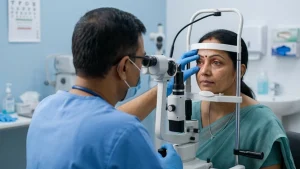

Black fungus also known as mucormycosis is a rare but very serious type of black fungal symptoms. It affects the sinuses, eyes, brain, lungs and skin. What to look out for is early recognition of symptoms which in high risk groups may progress very fast. The symptoms of mucormycosis present differently based on which area is affected but it is urgent to seek care if you see changes in the eyes and sinuses.
What Is Black Fungus?
Fungi causing black fungus are present in our environment in soil and among decaying organic matter. Infection may happen when a person breathes in the fungal spores or when the spores get into broken skin. Mucormycosis usually does not spread from person to person.
When you develop an infection in your nose or sinuses it may extend to the eye tissue. People with diabetes, weak immune systems, cancer, organ transplants, or long term corticosteroid use should be aware of the signs of black fungus and mucormycosis.
Black Fungal Symptoms Affecting the Eyes
Eye-related black fungal symptoms can include swelling around one eye, pain, blurred or reduced vision, double vision, redness, and trouble moving the eye. Other possible symptoms are swelling on one side of the face, headache, nasal congestion, fever, or dark lesions around the nose or mouth. Because these may indicate symptoms of mucormycosis, prompt medical assessment is required.
| Symptom | Why It Matters |
| Eye or facial swelling | May indicate infection near the sinuses or orbit |
| Blurred or double vision | Can suggest eye-area involvement |
| Eye pain or restricted movement | Requires urgent assessment |
| Nasal congestion, headache or fever | May accompany sinus disease |
| Dark nasal or oral lesions | Can occur in severe infection |
Do not diagnose black fungal symptoms by comparing them solely with online black fungus infection images. Several conditions affecting the eyes and sinuses may appear similar. Doctors evaluate possible symptoms of mucormycosis alongside examination findings and medical risk factors.
How Does Black Fungus Spread?
People often search for how black fungus spread or how does black fungus spread.Infection generally develops after someone is exposed to fungal spores in the environment, not through contact with another infected person. That distinction matters when discussing fungal infection and black fungus.
If the infection starts in the sinuses, it can spread to the tissues around the eye, where black fungal symptoms may develop quickly. Severe black fungal symptoms should never be ignored, since a serious mucormycosis black fungus infection can spread farther and lead to major complications.
Diagnosis and Treatment
Doctors look into black fungal symptoms by reviewing a patient’s medical history, conducting a physical examination, and assessing possible risk factors. Tissue or fluid samples may be sent to a laboratory for testing. CT or MRI scans can help determine whether the infection has spread to nearby areas.
Because of the similarity of symptoms of mucormycosis to other diseases it is important to get the correct diagnosis. Sudden changes in vision, swelling, or limited eye movement Black fungal symptoms should not be managed with self medication.
Mucormycosis requires prompt medical attention. Treatment may include antifungal drugs which may consist of amphotericin B, posaconazole, or isavuconazole. Some patients may also require surgery which includes removal of infected tissue.
| Treatment Approach | Main Purpose |
| Antifungal medicine | Control the fungal infection |
| Surgery when required | Remove infected tissue |
| CT, MRI and laboratory monitoring | Assess spread and treatment response |
| Control of underlying conditions | Support recovery |
Early intervention is key in the case of black fungal symptoms which present in the eyes. Symptoms of mucormycosis do present quickly, which means delay in care may in turn raise the risk of complications.
How to Prevent Black Fungus
People looking for ways to how prevent black fungus should know that avoiding it entirely may not always be possible, since these fungi naturally occur in the environment.
Black fungus prevention largely means limiting avoidable exposure for people at high risk. Staying away from heavy exposure to soil, dust, construction sites, and water-damaged settings may help. Wounds should also receive proper care. Recognising black fungal symptoms early may allow treatment to begin sooner.
Conclusion
Black fungus is atypical, but in certain cases may present as a medical emergency which is related to the sinuses, eyes or brain. We have noted the primary black fungal symptoms which help in early recognition. Also we see that awareness of these symptoms of mucormycosis may prevent that which may be a dangerous delay. If you notice black fungal symptoms at the same time as eye changes or you have risk factors for it, see a doctor right away instead of looking at black fungus infection images or trying home treatment.
Frequently Asked Questions
1. What are the early black fungal symptoms around the eyes?
Early black fungal symptoms can include swelling around the eye or face, pain, blurred or double vision, and reduced eye movement. These symptoms of mucormycosis. may also occur with fever, headache, and nasal congestion.
2. Can black fungus cause vision loss?
Yes. Severe black fungal issues which present in the form of retinal symptoms may lead to reduced vision if the infection extends to the structures around the eye. Also because the symptoms of mucormycosis may appear to progress very quickly seek medical care at once.
3. Are black fungus white fungus symptoms the same?
No. Black fungus white fungus symptoms should not be used interchangeably in terms of medical diagnosis. Different fungi cause different infections. A doctor has to determine the cause.
4. When should I visit an eye hospital?
Seek prompt medical care when you see black fungal symptoms which include sudden vision changes, severe eye pain, swelling or restricted eye movement. These symptoms of mucormycosis require very quick attention when you have major medical risk factors present
Reference Links