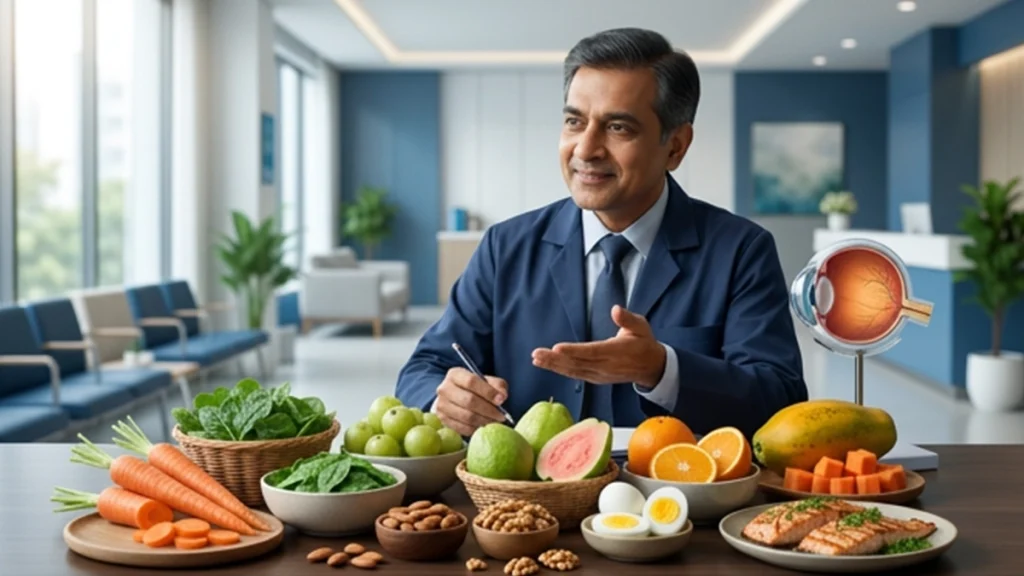
Healthy eyesight is a result of more than just eye exams and what you do with screens. What you put in your body does play a role. Your eyes require vitamins, minerals, antioxidants, carotenoids, protein, and healthy fats to function properly. In terms of which are the best foods for eye health we are talking about very common and affordable items. Many of them you probably eat on a daily basis like vegetables, fruits, pulses, eggs, nuts, seeds, dairy products, and fish. These Eye Healthy Foods supply what your eyes need to support the retina, macula, cornea, and other eye tissues.
Good Eye Nutrition doesn’t guarantee perfect vision or the prevention of all eye problems. But a balanced Healthy Diet supports overall health and may play an important role in the long term care of your Vision Protection. The key is to eat a variety of foods instead of putting all your eggs in one basket of so-called superfoods.
Why Does Nutrition Matter for Your Eyes?
The eyes require a consistent supply of nutrients to function properly. For instance, Vitamin A is very important for health vision. Severe vitamin A deficiency can cause issues with vision in dim light and also may lead to xerophthalmia. The National Institutes of Health reports that green leafy vegetables and orange and yellow vegetables are good dietary sources of vitamin A and carotenoids.
This includes Nutrient rich Foods for Vision in your daily diet. Also a balanced eating plan does well for issues like diabetes and high blood pressure which in turn affect eye health when they are not well managed. In terms of best foods for eye health it is less a case of that one magic ingredient and more an issue of putting together balanced meals every day.
Best Foods for Eye Health and Their Key Nutrients
Different types of food support Eye Nutrition in different ways. Leafy greens provide carotenoids. Orange veggies provide beta carotene. Fruits we have which are vitamin C, at the same time nuts and seeds present vitamin E and healthy fats.
The following table shows some practical Eye Healthy Foods that can easily fit Indian meals.
| Food Group | Key Nutrients | Simple Food Choices |
| Green leafy vegetables | Lutein, zeaxanthin, folate | Spinach, methi, amaranth |
| Orange vegetables | Beta-carotene | Carrot, pumpkin, sweet potato |
| Vitamin C-rich foods | Vitamin C, antioxidants | Amla, guava, oranges, capsicum |
| Nuts and seeds | Vitamin E, healthy fats | Almonds, walnuts, sunflower seeds |
| Eggs and dairy | Protein, vitamin A, carotenoids | Eggs, milk, curd, paneer |
| Fish and pulses | Protein, fats, minerals | Sardines, dal, rajma, chana |
These Foods for Vision work best as part of a varied Healthy Diet rather than as individual remedies.
Leafy Green Vegetables for Eye Health
Dark green leafy veggies should be included in your regular diet of Best Foods for Eye Health. Spinach and related veggies have lutein and zeaxanthin. Also present in the retina are these carotenoids. The National Eye Institute looked at lutein and zeaxanthin as part of the AREDS2 formula for people with age related macular degeneration. Research does not mean that spinach can prevent or cure AMD. What it does do is to explain why these nutrients are a focus in Eye Nutrition research.
Spinach, methi, broccoli, bathua, and amaranth are practical Eye Healthy Foods. Adding them to dal, sabzi, soups, or mixed dishes can support a diverse Healthy Diet and sensible Vision Protection.
Carrots, Pumpkin and Sweet Potato
Carrots are known to improve eyesight, but they are a part of the group of Best Foods for Eye Health. Carrot, pumpkin, and sweet potato are good sources of beta carotene. The body in fact does a great job at turning beta carotene into vitamin A.
Vitamin A is for good vision. Also from the NIH we learn that severe deficiency in vitamin A causes serious eye issues. These colorful veggies are Foods for Vision, but reports of superhuman eyesight from too much intake is a myth. They should be a part of balanced Eye Nutrition instead, which they are not the star of your diet.
Amla, Guava, Oranges and Other Fruits
Fruits add to your intake of vitamin C and many other plant based compounds in a Healthy Diet. Options like amla, guava, oranges, papaya, strawberries, kiwi as well as what is in season are great. Also, Vitamin C plays an antioxidant role in the body. It is reported that researchers have looked at the relation between vitamin C and age related eye issues like cataract and macular degeneration. At this time though we do not have enough evidence to support use of these foods as a cure.
Whole fruits are a great component of Eye Healthy Foods also for the fiber and other nutrients they supply. It is easy to include a variety of fruits which in turn will make Eye Nutrition more balanced. Also by including a variety of colorful fruits with the Best Foods for Eye Health we support better Vision Protection.
Nuts and Seeds for Vitamin E
Almonds, peanuts, walnuts, sunflower seeds, and also other nuts and seeds present at the table which include a wide variety of healthy fats and vitamin E. Vitamin E is an anti oxidant in the body and also has had research done on its’ role in eye health.
Nuts and seeds are convenient foods for Vision, but at the same time portion size is important because they are high in calories. A moderate amount can be included with veggies, fruits, beans and other Eye Healthy Foods.
They work best as a part of a balanced Healthy Diet which in no way should replace full meals. This approach is for Practical Vision Protection.
Fish, Protein and Omega-3 Fatty Acids
Fish such as sardines, mackerel, and salmon provide protein and omega-3 fatty acids. Also eggs, lentils, beans, chickpeas, milk, curd, and paneer are sources of protein and other important nutrients.
Fish do in fact include in what we may term the Best Foods for Eye Health for those that do eat fish. Also of note is the fact that the National Eye Institute reported that adding omega-3 fatty acids to the AREDS2 supplement did not in fact add to the overall benefit in the progression to advanced AMD. This is not to say that fish is bad for you. We are saying that which we put in as food as opposed to what we put in as medical treatment is different. These protein rich Foods for Vision still play a role in a balanced Eye Nutrition.
What Should an Eye-Friendly Daily Diet Look Like?
You don’t require a special “eye diet”. For a Healthy Diet include plenty of veggies, protein, whole grains or their alternatives, fruits, and healthy fats.
| Meal | Example | Nutrition Focus |
| Breakfast | Vegetable poha with peanuts and fruit | Carotenoids and vitamin C |
| Lunch | Roti, palak dal, curd and carrot salad | Lutein, protein and vitamin A |
| Snack | Guava with almonds | Vitamin C and vitamin E |
| Dinner | Mixed vegetables with dal or fish and rice | Protein and varied nutrients |
This pattern naturally includes several Eye Healthy Foods without making meals complicated.
The Best Foods for Eye Health are most helpful when they become part of long-term eating habits. What you include on your plate on a regular basis is better for vision protection then short term detox diets or fad food trends.
Can Food Prevent Cataract, Glaucoma or Macular Degeneration?
No single food is going to prevent you from getting cataract, glaucoma, diabetic retinopathy, or macular degeneration. Age, genetics, health issues, smoking, what medications you are on and other variables play into eye disease. That is why Eye Nutrition should support what your doctor recommends instead of replacing it.
The AREDS and AREDS 2 studies are also very useful in this regard. Certain supplement formulations do see benefit in patients with intermediate to advanced AMD. They are not for the general population. Regular Foods for Vision may support a healthy diet, but it is recommended that any use of high dose supplements be discussed with an ophthalmologist first.
Best Foods for Eye Health for Vegetarians
Vegetarians have a large choice of the Best Foods for Eye Health. Spinach, methi, carrots, pumpkin, sweet potatoes, amla, guava, tomatoes, lentils, beans, dairy products, nuts, and seeds present a wide array of nutrients. These Eye Healthy Foods do very well when meals include a variety of colors and food groups.
Vegetarian Eye Nutrition should be a varied diet. Eating only spinach or carrots does not provide all the body’s needs. A large range in your Healthy Diet gives the eyes as well as the rest of the body a greater array of nutrients. For vegetarians this balanced approach puts out practical measures for Vision Protection that aren’t over the top health claims.
Foods Alone Cannot Replace an Eye Examination
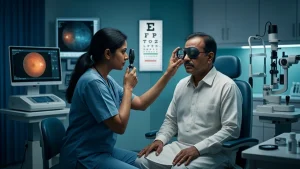
Even their best foods for Eye Health do not improve refractive errors, remove cataracts, control that which is in fact dangerous eye pressure, or treat retinal disease. If you experience sudden blurred vision, flashes, new floaters, eye pain, double vision, or a sudden loss of sight seek medical attention immediately. Changing your diet should not put off an eye exam. This is a tenet of Eye Nutrition. Good food supports health, but an ophthalmologist does what is required for eye disease. People with diabetes, glaucoma, retinal disorders, nutritional deficiencies, or other health issues may also require personalized dietary advice. Foods for Vision and medical care should be a team.
Conclusion
The Best Foods for Eye Health which you may already have in your kitchen. Leafy greens, colorful vegetables, fruits, nuts, seeds, pulses, eggs, dairy products, and fish all support balanced Eye Nutrition.
Choose which Eye Healthy Foods from different food groups to include in your diet instead of looking for that one miracle food. Include a variety of Foods for Vision, follow a sustainable Healthy Diet, and also do regular eye exams. Nutrition is a key element of Vision Protection but it does best when it works in combination with proper medical care and healthy daily routines.
Also Read :
10 Best Juices for Eye Health,
Best Diet Plan for Healthy Eyes and Vision,
Top Eye-Healthy Foods Every Child Needs
Frequently Asked Questions
1. What are the Best Foods for Eye Health?
The best foods for eye health include leafy greens, carrots, pumpkin, sweet potatoes, citrus fruits, amla, guava, eggs, nuts, seeds, pulses, dairy products, and fish. They present the nutrients which support normal eye function.
2. Are carrots the best Eye Healthy Foods?
Carrots are useful Eye Healthy Foods because they contain beta-carotene, but they are only one part of a nutritious diet. Leafy greens, fruits, nuts, seeds, proteins, and other foods for vision matter too.
3. Can a Healthy Diet improve weak eyesight?
A healthy diet can support overall eye health, but it generally cannot correct myopia, hyperopia, or astigmatism. Glasses, contact lenses, or other treatments may still be needed.
4. What should I eat for better Eye Nutrition?
For improved Eye Nutrition, include a variety of colorful veggies, fruits, whole grains, protein foods, nuts, seeds, and also appropriate dairy products in your diet. It is better to have a large variety of foods rather than to rely on a single so-called superfood.
5. Do I need supplements for Vision Protection?
Not all of us require supplements for Vision Protection. AREDS2 supplements are for certain groups of people with AMD. Before you start on high dose supplements speak with an ophthalmologist.