ASG Eye Hospital

Corneal Abrasion: Scratched Cornea Condition

Know the symptoms, causes, and vision risks of corneal abrasion.

20 
Years

200+
Hospitals

700+
Eye Specialists

3
Crore+ Eyes

What is a Corneal Abrasion?

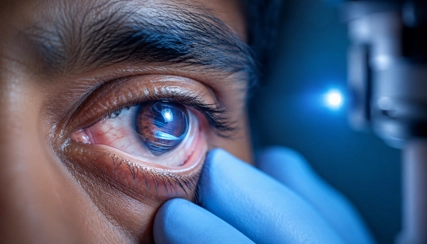
A corneal abrasion is a scratch or injury on the cornea — the clear, protective front surface of the eye. Even a small scratch on the cornea can cause significant discomfort, redness, watering, and blurred vision because the cornea contains many sensitive nerve endings.

Corneal abrasions are common eye injuries and may occur due to trauma, foreign particles, improper contact lens use, or accidental rubbing of the eye. Early diagnosis and treatment are important to prevent infection and protect vision.

Corneal Abrasion

Corneal Abrasion: Causes, Symptoms & Advanced Treatment

Symptoms of Corneal Abrasion

Patients with corneal abrasion may experience:

  • Sudden eye pain

  • Redness in the eye

  • Excessive tearing or watering

  • Blurred vision

  • Sensitivity to light (Photophobia)

  • Burning or gritty sensation

  • Feeling like something is stuck in the eye

  • Eye swelling or irritation

  • Difficulty opening the affected eye

  • Headache due to eye discomfort

Symptoms may vary depending on the size and depth of the scratch.

Causes of Corneal Abrasion

Corneal abrasions can happen due to several reasons:

Foreign Particles in the Eye

Dust, sand, metal particles, or debris entering the eye can scratch the corneal surface.

Eye Injuries

Accidental fingernail scratches, makeup brushes, paper edges, or sports injuries may damage the cornea.

Contact Lens Misuse

Improper handling, overwearing, or sleeping with contact lenses can increase the risk of corneal abrasion.

Excessive Eye Rubbing

Rubbing the eyes forcefully, especially when foreign particles are present, can injure the cornea.

Chemical or Environmental Exposure

Smoke, chemicals, pollution, or dry environments may irritate and damage the corneal surface.

Risk Factors for Corneal Abrasion

Certain conditions and habits increase the risk of corneal injury:

  • Contact lens use

  • Working in dusty or industrial environments

  • Sports activities without protective eyewear

  • Dry eye disease

  • Previous eye injuries

  • Exposure to flying debris or chemicals

  • Improper eye makeup application

Using protective eyewear can significantly reduce the risk of corneal injuries.

Diagnosis of Corneal Abrasion

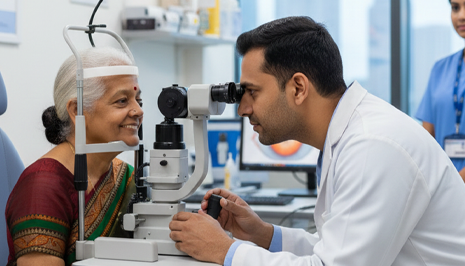
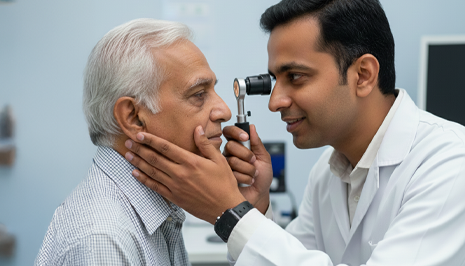
At ASG Eye Hospital, specialists use advanced eye examination techniques to detect corneal abrasions accurately.

Slit Lamp Examination

A slit lamp microscope helps examine the cornea in detail and identify scratches or injuries.

Fluorescein Eye Staining

Special dye drops are used to highlight damaged areas on the corneal surface under blue light.

Visual Acuity Testing

Vision tests help assess the impact of the abrasion on eyesight.

Eyelid and Foreign Body Evaluation

Doctors carefully examine the eyelids and eye surface to detect trapped foreign particles that may worsen the injury.

Corneal Abrasion Treatment Options

Treatment depends on the size, cause, and severity of the abrasion.

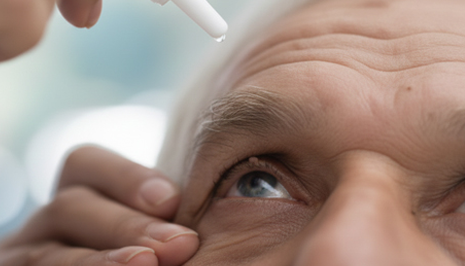
Lubricating Eye Drops

Artificial tears help soothe irritation and support corneal healing.

Antibiotic Eye Drops or Ointments

Antibiotic medications help prevent infection while the cornea heals.

Pain Relief Medication

Special eye drops or oral medications may be prescribed to reduce pain and discomfort.

Protective Eye Patch or Bandage Contact Lens

In some cases, a protective covering may be used to support healing and reduce irritation.

Foreign Body Removal

If dust or debris remains trapped in the eye, specialists carefully remove it using sterile instruments.

Avoiding Contact Lens Use

Patients are advised not to wear contact lenses until the cornea heals completely.

Recovery After Corneal Abrasion

Most minor corneal abrasions heal quickly because the cornea regenerates rapidly.

  • Small abrasions may heal within 24–48 hours

  • Larger abrasions may take several days to recover

  • Vision usually improves as healing progresses

  • Follow-up visits help ensure proper healing and prevent infection

Patients should avoid rubbing the eyes during recovery.

Complications of Untreated Corneal Abrasion

If left untreated, corneal abrasions may lead to:

  • Corneal infection

  • Corneal ulcer formation

  • Persistent pain and irritation

  • Corneal scarring

  • Vision problems

  • Recurrent corneal erosion syndrome

Early treatment helps prevent long-term complications and protects eye health.

Prevention Tips for Corneal Abrasion

You can reduce the risk of corneal injury by:

  • Wearing protective eyewear during sports or industrial work

  • Handling contact lenses properly

  • Avoiding excessive eye rubbing

  • Washing hands before touching the eyes

  • Protecting the eyes from dust and chemicals

  • Seeking medical attention for persistent irritation or foreign body sensation

Advanced Technology for Cornea Care at ASG Eye Hospital

ASG Eye Hospital uses advanced ophthalmic technology for accurate diagnosis and treatment of corneal injuries:

  • Slit Lamp Imaging

  • Fluorescein Corneal Staining

  • Corneal Surface Evaluation

  • High-Precision Ocular Microscopy

  • Advanced Ocular Surface Treatment Systems

Why Choose ASG Eye Hospital for Corneal Abrasion Treatment?

  • Experienced cornea specialists

  • Emergency eye injury care

  • Advanced diagnostic technology

  • Personalized treatment plans

  • Comprehensive cornea care services

  • Network of 180+ eye hospitals across India

Book Your Appointment

Submit Your Request

Get a Call from Our Team

Meet Your Specialist

Begin Your Eye Care Journey

Please wait...

Self Booking
Get A Call Back

Vision for All.
Not Just for Some

ASG is growing its network with 200 Vision Centres, delivering affordable eye care to over 4 million people.

Or

Clear Answers for Better Vision

Is corneal abrasion serious?

Most corneal abrasions are minor and heal quickly, but untreated injuries can lead to infection or corneal ulcers.

Small abrasions may heal within 1–2 days, while larger injuries may take several days.

No, contact lenses should be avoided until the cornea heals completely and the doctor approves lens use.

Temporary blurred vision is common, but severe or untreated abrasions may lead to long-term vision problems.

No, rubbing may worsen the scratch. Rinse the eye gently with clean water and seek medical care if discomfort continues.

You should consult an eye specialist immediately if you experience pain, redness, blurred vision, light sensitivity, or persistent foreign body sensation.

Every Angle of Vision.
Every Kind of Care.

Overview

Job Title: Consultant Ophthalmologist

Location: Pan India
Job Category: Medical Healthcare

Work Employment:  Full time

What you work:

  • Diagnose and treat patients with a focus on Ophthalmologist.
  • Collaborate with senior doctors and multidisciplinary teams.
  • Ensure patient-centric care and follow clinical protocols.
  • Contribute to research, training, or hospital initiatives (if applicable).

Mandatory skills:

  • Relevant medical degree / certification.
  • Strong knowledge of ophthalmology practices / healthcare protocols.
  • Excellent communication and patient-handling skills.
  • Ability to work in fast-paced healthcare environments.

Preferred Qualifications:

  • Experience: 3 to 6 years of experience
  • Prior experience in eye care / multi-speciality hospitals.
  • Fellowship or advanced training in Ophthalmologist.
  • Familiarity with advanced diagnostic tools and surgical techniques.
  • Passion for innovation, patient care, and continuous learning.

Apply For This Positions

This will close in 0 seconds

Overview

Job Title: Optometrist

Location: Amritsar, Punjab 

Job Category: Optometry

Work Employment:  Full time

What you work:

  • Conduct comprehensive eye examinations and vision assessments for patients of all ages.
  • Prescribe and fit spectacles, contact lenses, and low-vision aids.
  • Perform diagnostic tests including refraction, tonometry, perimetry, and OCT imaging.
  • Support consultant ophthalmologists in pre-operative and post-operative patient workups.
  • Counsel patients on eye care, lens hygiene, and follow-up schedules.
  • Maintain accurate clinical records and adhere to hospital protocols.

Mandatory skills:

  • Bachelor’s or Master’s degree in Optometry (B.Optom / M.Optom) from a recognised institution.
  • Valid registration with the relevant state or national optometry council.
  • Proficiency in refraction, slit-lamp examination, and contact lens fitting.
  • Working knowledge of autorefractors, tonometers, fundus cameras, and OCT equipment.
  • Strong communication skills in English, Hindi, and Punjabi.
  • Ability to manage high patient volumes in a fast-paced clinical setting.

Preferred Qualifications:

  • Experience: 1 to 5 years of clinical optometry experience.
  • Prior experience in an eye care or multi-speciality hospital in Punjab.
  • Exposure to paediatric optometry, binocular vision, or low-vision rehabilitation.
  • Familiarity with advanced diagnostic imaging and dry-eye management.
  • Passion for patient care, community eye-health camps, and continuous learning.

Apply For This Positions

This will close in 0 seconds

Overview

Job Title: Optical In-charge 

Location: Panjim, Goa / Mumbai-Worli (Lower Parel) 

Job Category: Optical

Work Employment:  Full time

What you work:

  • Manage day-to-day operations of the optical outlet, including sales, dispensing, and inventory.
  • Guide customers on frame selection, lens options, and coatings based on their prescription and lifestyle.
  • Take accurate frame measurements and ensure precise fitting, adjustments, and after-sales service.
  • Drive optical sales targets and monitor daily, weekly, and monthly business performance.
  • Maintain optimum stock levels, coordinate with vendors, and control shrinkage through periodic audits.
  • Supervise and train optical staff on product knowledge, dispensing standards, and customer service.
  • Coordinate with optometrists and consultants to ensure smooth prescription-to-delivery flow.
  • Ensure visual merchandising, display hygiene, and adherence to brand and hospital standards.

Mandatory skills:

  • Diploma or Bachelor’s degree in Optometry (D.Optom / B.Optom) or equivalent optical dispensing qualification.
  • Minimum 3 years of experience in optical supervisory or in-charge role.
  • Sound knowledge of lens types, coatings, frame materials, and dispensing principles.
  • Hands-on experience with edging, fitting, and basic optical workshop equipment.
  • Proven ability to achieve sales targets and manage inventory and billing systems.
  • Strong communication and interpersonal skills in English, Hindi, and Konkani or Marathi.
  • Working knowledge of POS / retail software and MS Office.

Preferred Qualifications:

  • Experience: 3 to 7 years in optical retail or an eye care hospital optical division.
  • Prior experience managing an optical outlet in Goa or the western region.
  • Exposure to premium and progressive lens brands and specialty eyewear.
  • Familiarity with contact lens dispensing and after-care support.
  • Team leadership, customer relationship management, and continuous learning mindset.

Apply For This Positions

This will close in 0 seconds

Overview

Job Title: Optometrist

Location: Pan India 


Job Category: Optometry

Work Employment:  Full time

What you work:

  • Conduct comprehensive eye examinations and vision assessments for patients of all ages.
  • Prescribe and fit spectacles, contact lenses, and low-vision aids.
  • Perform diagnostic tests including refraction, tonometry, perimetry, and OCT imaging.
  • Support consultant ophthalmologists in pre-operative and post-operative patient workups.
  • Counsel patients on eye care, lens hygiene, and follow-up schedules.
  • Maintain accurate clinical records and adhere to hospital protocols.

Mandatory skills:

  • Diploma / Bachelor’s or Master’s degree in Optometry (D.Optom / B.Optom / M.Optom) from a recognised institution.
  • Valid registration with the relevant state or national optometry council.
  • Proficiency in refraction, slit-lamp examination, and contact lens fitting.
  • Working knowledge of autorefractors, tonometers, fundus cameras, and OCT equipment.
  • Ability to manage high patient volumes in a fast-paced clinical setting.

Preferred Qualifications:

  • Experience: 1 to 5 years of clinical optometry experience.
  • Exposure to paediatric optometry, binocular vision, or low-vision rehabilitation.
  • Passion for patient care, community eye-health camps, and continuous learning.

Apply For This Positions

This will close in 20 seconds