ASG Eye Hospital

Outward-Turning Eyelid and Constant Watering: Understanding Ectropion

Constant irritation from tearing which is made worse when reading, driving or going about daily activities. Also cause may not be what you think we see an eyelid that isn’t properly attached to the eye. This issue is called ectropion. By learning about the ectropion treatment you may be able to recognize the symptoms and get the care you need before issues progress.

What Is Ectropion?

Ectropion is a condition in which the lower lid sags away from the eye and turns out. This eyelid turning outward affects the normal tear drain system. May be that the tears pool along the lid instead of draining properly. 

A watery eye is a very common issue but also you may experience dryness, redness, soreness and irritation. An ophthalmologist will do an exam of the lid and put forth the best course of ectropion treatment which will be determined by the cause and the severity.

What Causes Ectropion?

Age atrophy is the main cause. What we see is that over time the muscles and tissue which support the eye lid break down which in turn causes the lid to not hold its normal position. This is why we see more of a condition of eyelid turning outward in the elderly.

Other causes of ectropion are from facial nerve weakness, past eyelid surgery, injury, burn, and scarring. Also some skin conditions which pull the eyelid away from the eye are seen. Identifying the cause is key to which ectropion treatment the specialist will use.

Symptoms You Should Not Ignore

The symptoms may present slowly. You may notice excessive tearing, redness, irritation, or a grittiness. Also a persistent watery eye can blur vision at times and may make outdoor activities uncomfortable.

Because at times the eye is not protected properly by the eyelid, the affected surface may dry out. Also we see some which report repeated inflammation and infection. Should you see the eyelid turning outward of place, get in to see the ophthalmologist instead of trying home remedies.

How Is Ectropion Diagnosed?

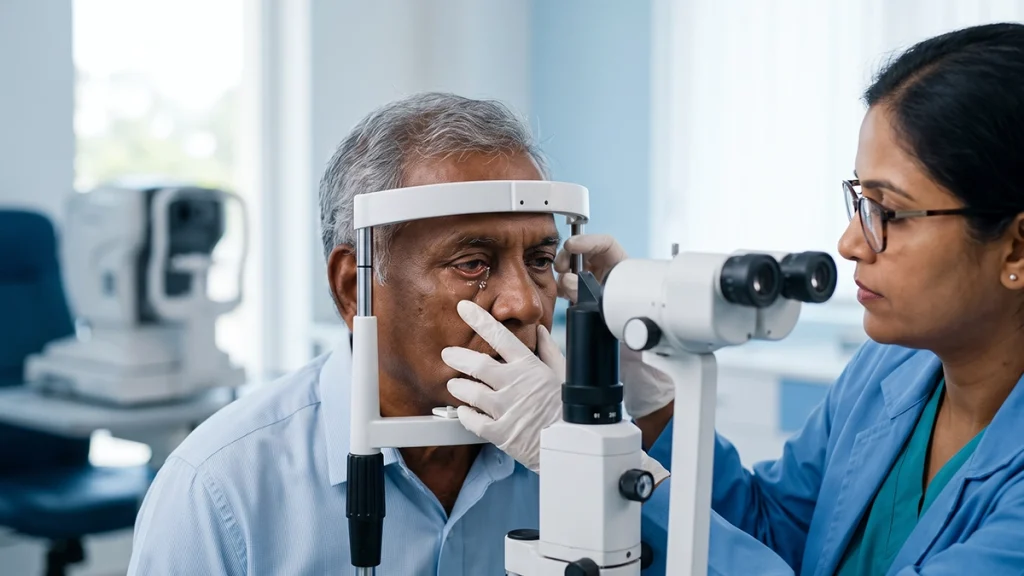
An eye specialist usually examines the eyelid position, tear drainage, and surface of the eye. They may check how well the eyelid closes and whether scarring or muscle weakness affects its movement.

The exam is to determine what is the best course of eroctpion treatment. Also at an early stage we are able to see by which issues the patient is affected before they progress into more serious conditions.

Treatment Options for Ectropion

Treatment will depend on your symptoms and the degree of the condition. In mild cases we may see relief from the use of artificial tears or ointment. These products do a good job of protecting the eyes’ surface and relieasing dryness. Also, they don’t provide a permanent correction of eyelid position

If at all the eyelid turns out outside, ectropion treatment may include surgery. The surgeon at that point will repair the supporting structures and put the eyelid in a better position. The procedure also may improve tear drainage and reduce irritation.

Comparing Treatment Options

Treatment optionWhen it may helpMain purpose
Lubricating eye dropsMild dryness or irritationKeeps the eye surface moist
Lubricating ointmentPersistent surface discomfortProvides longer-lasting lubrication
Specialist-guided eyelid supportSelected casesHelps protect the eye temporarily
Ectropion surgerySignificant or persistent ectropionCorrects eyelid position

Your doctor will explain the benefits, limitations, and risks before recommending ectropion treatment.

What to Expect From Surgery

When symptoms present severely or persist despite supportive care, we may turn to ectropion surgery intervention for ectropion. Also it is common for surgeons to do eyelid work under local anesthetic. What the procedure is will depend on the state of the lid and also the cause.

After surgery you may notice some swelling, bruising, and pain. Do as your surgeon says in terms of wound care, taking the prescribed medication, and going to all follow up appointments. While results of the ectropion surgery for better symptoms is the goal, what you will experience and when you fully recover may be different for each person.

Frequently Asked Questions

1. Can ectropion lead to constant tearing?

Yes. The eyelid’s job is to direct tears into the drainage system. In ectropion the lid position changes which in turn affects drainage. Thus a constant watery eye may be a sign of ectropion although many other conditions may also cause tearing.

2. Does every patient require surgery?

No. In mild cases we may try lubrication and close observation. But for ectropion treatment which has the eyelid position which affects the eye’s surface or causes persistent symptoms, surgery may be required.

3. Is it painful for ectropion surgery?

Anesthesia is usually local which numbs the area. Some patients report soreness, swelling, or bruising post op. Your surgeon will go over what to expect in terms of recovery and pain management before the ectropion surgery.

4. Can canthoplasty bring back the condition?

 It is possible for it to return based on what the initial cause was and the state of the tissue. Follow up exams will report on the healing process and also we will discuss any future care that may be needed. 

5. When should I see an eye specialist?

Arrange an appointment if you notice eyelid turning outward, persistent tearing, or irritation. Seek urgent care for severe eye pain, marked redness, or changes in vision.

Conclusion

An issue with out turning of the eyelid may affect comfort, tear drainage, and the eye’s natural protection. We may as well do an early assessment which will help us to determine the cause and what is the best course of action for ectropion treatment. If your symptoms persist it is advised that you see our ophthalmologist at ASG Eye Care to discuss what we have for you which may include the option of ectropion surgery.

Official Medical References

  1. NHS — Ectropion:
    https://www.nhs.uk/conditions/ectropion/
  2. NHS — Watering Eyes:
    https://www.nhs.uk/symptoms/watering-eyes/
Overview

Job Title: Consultant Ophthalmologist

Location: Pan India
Job Category: Medical Healthcare

Work Employment:  Full time

What you work:

  • Diagnose and treat patients with a focus on Ophthalmologist.
  • Collaborate with senior doctors and multidisciplinary teams.
  • Ensure patient-centric care and follow clinical protocols.
  • Contribute to research, training, or hospital initiatives (if applicable).

Mandatory skills:

  • Relevant medical degree / certification.
  • Strong knowledge of ophthalmology practices / healthcare protocols.
  • Excellent communication and patient-handling skills.
  • Ability to work in fast-paced healthcare environments.

Preferred Qualifications:

  • Experience: 3 to 6 years of experience
  • Prior experience in eye care / multi-speciality hospitals.
  • Fellowship or advanced training in Ophthalmologist.
  • Familiarity with advanced diagnostic tools and surgical techniques.
  • Passion for innovation, patient care, and continuous learning.

Apply For This Positions

This will close in 0 seconds

Overview

Job Title: Optometrist

Location: Amritsar, Punjab 

Job Category: Optometry

Work Employment:  Full time

What you work:

  • Conduct comprehensive eye examinations and vision assessments for patients of all ages.
  • Prescribe and fit spectacles, contact lenses, and low-vision aids.
  • Perform diagnostic tests including refraction, tonometry, perimetry, and OCT imaging.
  • Support consultant ophthalmologists in pre-operative and post-operative patient workups.
  • Counsel patients on eye care, lens hygiene, and follow-up schedules.
  • Maintain accurate clinical records and adhere to hospital protocols.

Mandatory skills:

  • Bachelor’s or Master’s degree in Optometry (B.Optom / M.Optom) from a recognised institution.
  • Valid registration with the relevant state or national optometry council.
  • Proficiency in refraction, slit-lamp examination, and contact lens fitting.
  • Working knowledge of autorefractors, tonometers, fundus cameras, and OCT equipment.
  • Strong communication skills in English, Hindi, and Punjabi.
  • Ability to manage high patient volumes in a fast-paced clinical setting.

Preferred Qualifications:

  • Experience: 1 to 5 years of clinical optometry experience.
  • Prior experience in an eye care or multi-speciality hospital in Punjab.
  • Exposure to paediatric optometry, binocular vision, or low-vision rehabilitation.
  • Familiarity with advanced diagnostic imaging and dry-eye management.
  • Passion for patient care, community eye-health camps, and continuous learning.

Apply For This Positions

This will close in 0 seconds

Overview

Job Title: Optical In-charge 

Location: Panjim, Goa / Mumbai-Worli (Lower Parel) 

Job Category: Optical

Work Employment:  Full time

What you work:

  • Manage day-to-day operations of the optical outlet, including sales, dispensing, and inventory.
  • Guide customers on frame selection, lens options, and coatings based on their prescription and lifestyle.
  • Take accurate frame measurements and ensure precise fitting, adjustments, and after-sales service.
  • Drive optical sales targets and monitor daily, weekly, and monthly business performance.
  • Maintain optimum stock levels, coordinate with vendors, and control shrinkage through periodic audits.
  • Supervise and train optical staff on product knowledge, dispensing standards, and customer service.
  • Coordinate with optometrists and consultants to ensure smooth prescription-to-delivery flow.
  • Ensure visual merchandising, display hygiene, and adherence to brand and hospital standards.

Mandatory skills:

  • Diploma or Bachelor’s degree in Optometry (D.Optom / B.Optom) or equivalent optical dispensing qualification.
  • Minimum 3 years of experience in optical supervisory or in-charge role.
  • Sound knowledge of lens types, coatings, frame materials, and dispensing principles.
  • Hands-on experience with edging, fitting, and basic optical workshop equipment.
  • Proven ability to achieve sales targets and manage inventory and billing systems.
  • Strong communication and interpersonal skills in English, Hindi, and Konkani or Marathi.
  • Working knowledge of POS / retail software and MS Office.

Preferred Qualifications:

  • Experience: 3 to 7 years in optical retail or an eye care hospital optical division.
  • Prior experience managing an optical outlet in Goa or the western region.
  • Exposure to premium and progressive lens brands and specialty eyewear.
  • Familiarity with contact lens dispensing and after-care support.
  • Team leadership, customer relationship management, and continuous learning mindset.

Apply For This Positions

This will close in 0 seconds

Overview

Job Title: Optometrist

Location: Pan India 


Job Category: Optometry

Work Employment:  Full time

What you work:

  • Conduct comprehensive eye examinations and vision assessments for patients of all ages.
  • Prescribe and fit spectacles, contact lenses, and low-vision aids.
  • Perform diagnostic tests including refraction, tonometry, perimetry, and OCT imaging.
  • Support consultant ophthalmologists in pre-operative and post-operative patient workups.
  • Counsel patients on eye care, lens hygiene, and follow-up schedules.
  • Maintain accurate clinical records and adhere to hospital protocols.

Mandatory skills:

  • Diploma / Bachelor’s or Master’s degree in Optometry (D.Optom / B.Optom / M.Optom) from a recognised institution.
  • Valid registration with the relevant state or national optometry council.
  • Proficiency in refraction, slit-lamp examination, and contact lens fitting.
  • Working knowledge of autorefractors, tonometers, fundus cameras, and OCT equipment.
  • Ability to manage high patient volumes in a fast-paced clinical setting.

Preferred Qualifications:

  • Experience: 1 to 5 years of clinical optometry experience.
  • Exposure to paediatric optometry, binocular vision, or low-vision rehabilitation.
  • Passion for patient care, community eye-health camps, and continuous learning.

Apply For This Positions

This will close in 20 seconds