
Introduction
A droopy upper eyelid can affect appearance and also vision. This is what we term as ptosis. Treatment for ptosis is based on its cause, severity, and how it affects sight. An eye which is affected by eyelid blocks vision when the lid in question covers the pupil. An eye exam is the way to go in terms of determining what to do next.
What Is Ptosis?
Ptosis is a condition in which the upper eyelid drops lower than it should. You may notice one or both of your droopy eyelid. It can develop as we age, after an injury, or at birth, and may be an issue of the muscles or nerves which raise the lid.
When an eyelid blocks vision which has covered the visual field due to falling off as in the case of ptosis reading and driving may be affected. In kids this serious drooping may in turn affect visual development. An ophthalmologist is the one to see if ptosis treatment is required.
What Causes a Drooping Eyelid?
Age we see in many cases of adult ptosis. The levator lid muscle may stretch out or become weak. Also contributing are contact lens use, injury, prior eye surgery, and some nerve and muscle disorders.
A sudden onset of droopy eyelid requires emergency care also in the case of double vision, eye pain, unequal pupils, or a severe headache. Do not write it off as a result of aging. Evaluation will determine the acute causes and also will clarify what ptosis treatment is required.
Signs That Ptosis May Affect Vision
Symptoms may present as very tired eyelids, forehead strain, or trouble looking up. Some report raising of the eyebrows or tilting the head back to improve vision.
If an eyelid blocks vision the upper visual field may shrink. To guide ptosis treatment an ophthalmologist may order a visual field test which also comes in handy when day to day activities are affected.
How Is Ptosis Diagnosed?
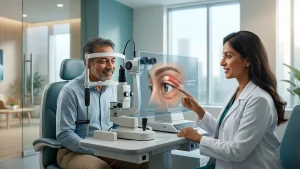
An ophthalmologist will check your eyelid position, muscle function, eye movements, and pupils. Also the doctor may ask when the droop began and if it changes during the day. A visual field test is done to see if vision is impaired.
During the exam we tell which is ptosis and which is extra eyelid skin which may require a different treatment. Also we may run more tests if we think it may be a nerve or muscle issue. Diagnosis determines what is the best ptosis treatment for you and also we check if the eyelid blocks vision in day to day activities.
When Is Surgery Considered?
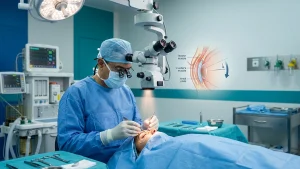
Mild ptosis may be watched and tracked. Surgery may play a role when there is drop in which is affecting vision, daily activities, or a child’s visual growth. Ptosis surgery which is also used to repair or reposition the structures that lift the eyelid. The approach is based on muscle function and the degree of droop. We may plan for ptosis surgery when the lid is affecting vision. We use Ptosis treatment to improve the position of the eyelid and if needed to also improve the visual field. Results will vary and we do not guarantee symmetry. A specialist may recommend ptosis treatment when an eyelid blocks vision
.
| Finding | What it may mean |
| Mild, stable drooping | Monitoring may be suitable after an eye examination. |
| Drooping that limits the visual field | Assessment for functional treatment may be needed. |
| Ptosis in a child | Prompt evaluation helps protect visual development. |
| Sudden drooping with pain or double vision | Seek urgent medical assessment. |
What Should You Know Before Surgery?
Before ptosis surgery a patient’s eyelid movement, eye health, and the cause of the condition is determined by the ophthalmologist. As for risk there is bruising, swelling, asymmetry, undercorrection, overcorrection, dry eyes, or difficulty in closing the eyelid.
Recovery time varies by procedure. We ask that you attend all follow up visits and to take your medicine as directed. Do not use anything that has not been prescribed to you or home remedies. Your surgeon will go over the benefits and what to expect from ptosis surgery which includes how treatment may improve your vision
| Treatment approach | When it may be considered |
| Observation and follow-up | Mild cases without significant visual effects. |
| Treatment of an underlying condition | When a medical problem contributes to drooping. |
| Eyelid-lifting surgery | When ptosis affects vision or needs correction for clinical reasons. |
Conclusion
A droopy eyelid may not be a cosmetic issue. Should it affect vision or present suddenly see a pro. An ophthalmologist may put you in touch with what options are available which may include a tailored ptosis treatment.
Frequently Asked Questions
1. Can ptosis improve without surgery?
Some issues may require evaluation and treatment for the base condition. Chronic drooping may in fact present to require surgery. An ophthalmologist will put forth a recommendation for ptosis treatment after performing an examination of the eyelid.
2. Does surgery always treat for a droopy eyelid ?
No. Not at all times does a droopy eyelid require surgery in fact we may not recommend it if it isn’t affecting vision or growth which is the case in some. That will depend on signs present, exam results, and cause.
3. Is ptosis surgery safe?
In the same way that any surgical procedure does, ptosis surgery has risks which include swelling, asymmetry, dry eyes, and incomplete lid closure. The doctor will go over individual risks and recovery.
4. When should I go to urgent care for a drooping eyelid?
Immediate care is required for sudden drooping which may also present with double vision, eye pain, unequal pupils, or severe headache. These are signs of a serious condition which also includes the onset of sudden eyelid blocks vision