Contact lenses provide a convenient and clear alternative to glasses, but improper care may leave your eyes at a high risk of serious infections. Also there’s that rare but very dangerous case of contact lens acanthamoeba infection that attacks the cornea and which may lead to loss of sight. That infection often begins with slight irritation which in turn may be mistaken for just dryness of the eyes. But if not treated acanthamoeba keratitis may cause permanent corneal damage. Early signs should be recognized and medical care sought which may in turn preserve vision.
What Is Contact Lens Acanthamoeba Infection?
A contact lens Acanthamoeba infection is what happens when Acanthamoeba, which is a very small organism, gets into the cornea. This organism is present in water, soil, and dust. It causes Acanthamoeba keratitis which is a serious case of corneal inflammation. Contact lens wearers are at great risk especially when water comes in contact with their lenses. Also a contact lens Acanthamoeba infection may progress very slow and may present like other eye conditions. Without treatment inflammation may cause damage to corneal tissue and in some cases lead to a corneal ulcer.
Early Symptoms of Acanthamoeba Infection
Early detection of contact lens related acanthamoeba infection is what you should do as symptoms may at first be mild. Patients report persistent redness, excessive tearing, blurred vision, or light sensitivity. Also of great importance is the report of increasing eye pain. Unlike the transient irritation which contact lenses may cause, symptoms of acanthamoeba keratitis may persist after removal of the lenses. Some patients report severe pain though the degree of pain may differ.
| Early symptom | What patients may notice |
| Eye redness | Persistent redness or irritation |
| Eye pain | Discomfort that may become severe |
| Blurred vision | Reduced visual clarity |
| Light sensitivity | Difficulty tolerating bright light |
| Excessive tearing | Continuous watering or foreign-body sensation |
A suspected contact lens acanthamoeba infection requires urgent ophthalmological assessment, especially when pain or vision changes occur.
What Causes Acanthamoeba Keratitis?
Acanthamoeba infections related to contact lenses are from contaminated water and carelessness in lens care. We put lenses in the shower and while swimming and we introduce tap water which is a risk factor, also poor cleaning of the lenses gives harmful microorganisms access to the eye.
Tiny scrapes on the cornea may give an entry to these organisms. Also at risk are those that reuse old disinfecting solutions and do not clean storage cases. By practicing proper contact lens hygiene we may see a great reduction in these preventable issues.
How Doctors Diagnose the Infection
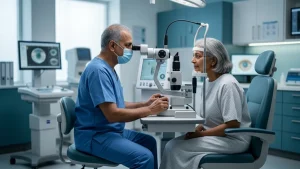
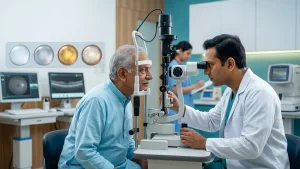
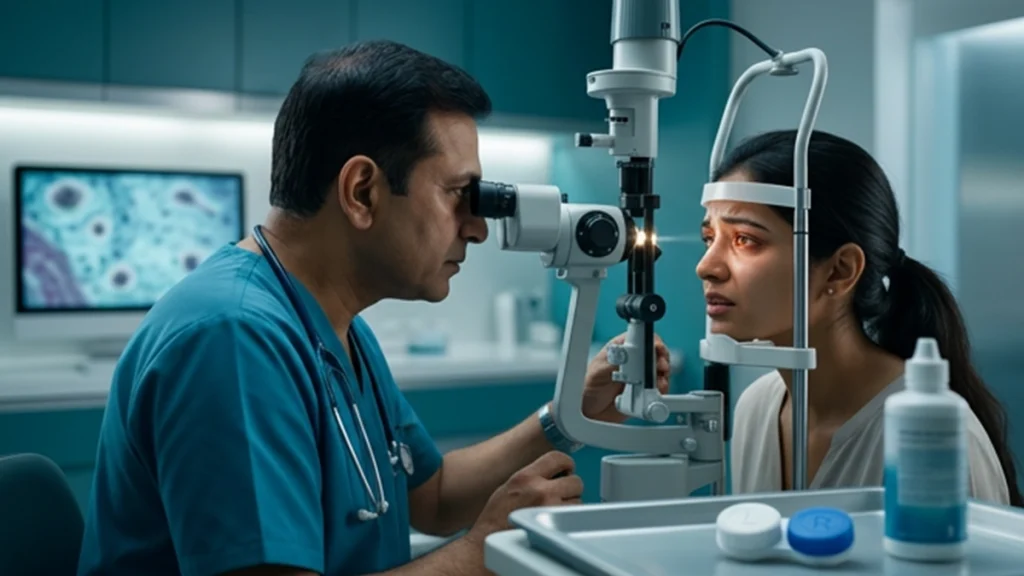
Diagnosis of contact lens acanthamoeba infection requires an in depth eye exam. An ophthalmologist who is a doctor that does the eye care will use a slit lamp which is a magnified light to see the cornea as well as study the contact lens wear patterns. Also they may take corneal samples for lab work. We also have special tests that include PCR or confocal microscopy which play a role in the diagnosis of acanthamoeba keratitis. Very early diagnosis is key in telling this from bacterial or fungal infections. A corneal ulcer or persistent inflammation may require in depth evaluation.
Treatment Options for Acanthamoeba Keratitis
Treatment of contact lens acanthamoeba infection is based on the extent of the disease and degree of corneal injury. We see that in most cases doctors will use special anti-amoebic eye drops. The course of treatment may go on for several months or even longer in serious cases. Also in very early stages of acanthamoeba keratitis we may see a response to the given medications but in the more advanced cases at some point corneal transplant may be required.
| Treatment approach | Purpose |
| Anti-amoebic eye drops | Target Acanthamoeba organisms |
| Pain management | Relieve discomfort during recovery |
| Regular corneal examinations | Monitor infection and healing |
| Corneal transplantation | Manage selected cases with severe damage |
Patients should never self-medicate with steroid eye drops. A contact lens acanthamoeba infection needs specialist supervision and consistent follow-up.
How to Prevent Contact Lens Infections
Prevention of contact lens related acanthamoeba infection is a result of daily safe practices. We put into practice good hygiene which includes the washing and drying of hands before touching the lenses. Also use of the approved disinfecting solutions and to frequently change the storage cases. Do not wear the lenses while swimming or in the shower.
Also do not use tap water to rinse the lenses or their cases. Also included in good care is to follow the recommended replacement schedules for the lenses and to avoid overnight wear unless it is what is prescribed. By taking these precautions we see a great reduction in the incidence of acanthamoeba keratitis and other serious corneal infections.
Conclusion
A contact lens which has been infected with acanthamoeba may result in serious vision damage if not treated soon. Signs of the early infection, strict hygiene practices for contacts, and stay away from water are what we put forth as main preventive measures. If you have persistent eye pain or visual changes it is best to take out your lenses and get in touch with an ophthalmologist at once. At ASG Eye Hospital we do specialist eye exams that help to identify corneal infections and will also provide the right treatment.
Frequently Asked Questions (FAQs)
1. Is contact lens acanthamoeba infection common?
Contact lens acanthamoeba infection is a rare issue but is very much at risk of leading to loss of sight. For those that use contact lenses, the issue is more common, in fact it is very much so with poor lens care.
2. Can acanthamoeba keratitis cause blindness?
Yes. Very severe cases of acanthamoeba keratitis may cause permanent damage to the cornea and lead to vision loss also when it comes to late diagnosis or delayed treatment.
3. Can tap water cause an infection?
Yes. Tap water may be a home to Acanthamoeba organisms. It is of great importance that contact lens wearers keep their lenses away from all non-sterile water.
4. How long does treatment take?
Treatment of contact lens related acanthamoeba infection usually is a long term process. In very serious cases this may include protracted medical treatment and follow up.
5. When should patients consult an ophthalmologist?
If you have continuous redness, very painful eyes, light sensitivity which doesn’t go away, or blurred vision, in that case you should contact your health care provider right away. These symptoms may also point to acanthamoeba keratitis or some other serious corneal issue.