A red eye may present at the end of a long day, after an allergy break out or minor irritation. But also redness may be a sign of inflammation in the deeper eye tissues. Also that which is what we see with scleritis vs episcleritis does matter because although they may look the same these issues present different scales of severity. Episcleritis we see to cause mild discomfort and in many cases will go away on its own. But scleritis causes very intense pain and in some cases may in fact threaten sight which is why prompt treatment is very important. Anybody that is experiencing deep eye pain should get in for a professional evaluation instead of thinking the issue is a minor one.
What Is the Difference Between Scleritis and Episcleritis?
In terms of what which anatomic structures are affected, that is the main difference between scleritis vs episcleritis. With episcleritis we see involvement of the thin layer of tissue which lies between the conjunctiva and the sclera, the white outer layer of the eye. In scleritis the inflammation affects the sclera itself and also may include nearby structures. Also it is because of this that episcleritis usually presents with only mild discomfort, while scleritis may cause very severe and persistent pain.
In scleritis vs episcleritis the eye may present differently, but redness by itself is not a diagnostic feature. With episcleritis we see a bright red or pink area. In the case of scleritis there may be a deeper red or purplish discoloration and marked tenderness. A red eye which is painful requires medical attention, in particular when the pain is severe or vision is affected.
Symptoms and Warning Signs
The symptoms of scleritis vs episcleritis do present very similarly. With episcleritis we see irritation, watering, tenderness and a gritty sensation. As for scleritis it tends to present with deep eye pain which in some reports does better at night or with eye movement. Also reported is light sensitivity, blurred vision and pain around the forehead and face.
| Feature | Episcleritis | Scleritis |
| Pain | Usually mild discomfort | Often severe, deep pain |
| Appearance | Bright red or pink area | Deeper red or purplish appearance |
| Vision | Usually unaffected | May become blurred or reduced |
| Typical course | Often improves within days to weeks | May persist and require urgent treatment |
This comparison shows that it is not enough to diagnose between scleritis vs episcleritis based on a photo or symptom check. If you have red eye which is accompanied by intense pain, light sensitivity or reduced vision seek immediate eye care. Do not wait for the redness to go away before you get in to see a health care provider.
Causes and the Link With Autoimmune Conditions
Episcleritis does not always have a determinable cause. At times it occurs in association with inflammatory conditions, also many of which are mild and isolated. Scleritis has a greater association with autoimmune eye inflammation and systemic diseases like rheumatoid arthritis and lupus. In those conditions the immune system attacks healthy tissues which are mistaken by the body.
The issue of what is a scleritis vs episcleritis becomes of great import when symptoms come back or affect both eyes. At that time a clinician may ask into joint pain, skin changes, other health issues and medications. Repeated deep eye pain or persistent redness requires more in depth investigation as the eye symptoms may be related to a larger health issue.
Diagnosis and Treatment
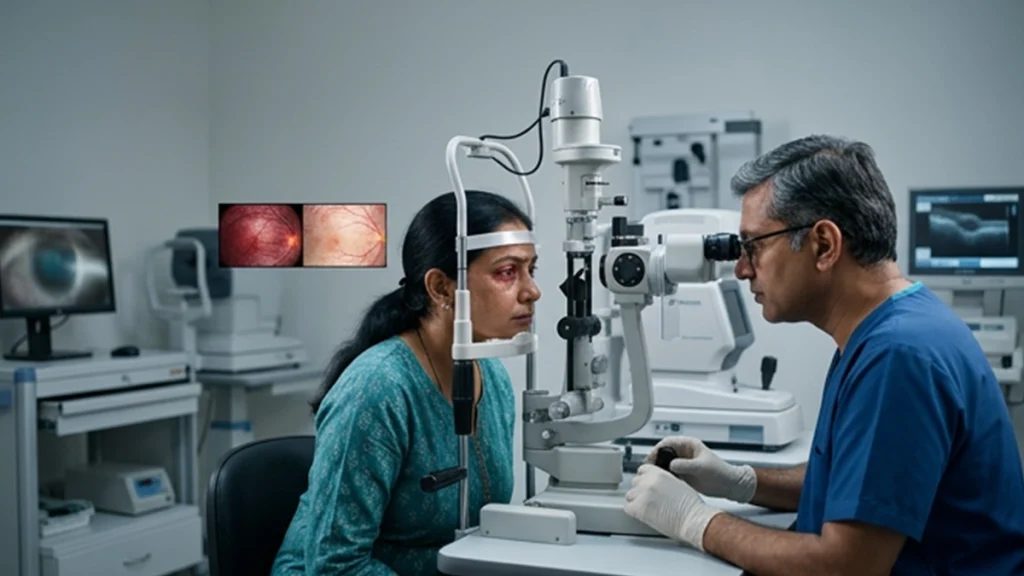
An ophthalmologist will use a slit-lamp microscope in the exam of the eye also they will review the symptoms and medical history. Also at times blood tests or scans will be ordered by the clinician if they suspect scleritis or an associated systemic disease. This evaluation is to determine between scleritis vs episcleritis which in turn will help guide appropriate treatment.
| Care consideration | Why it matters |
| Eye examination | Identifies the affected tissue and checks vision |
| Medical history | May reveal autoimmune disease or recurring inflammation |
| Further tests | Help investigate suspected underlying causes |
| Follow-up | Checks whether inflammation improves and treatment works |
Mild episcleritis usually goes away without intensive treatment. For symptom relief use of lubricating eye drops or cool compresses may be applied which also may be used in the meantime. In the case of scleritis prescription treatment and very close medical supervision is required. May include anti-inflammatory agents or corticosteroids as per the cause and severity of the issue. Do not use left over steroid drops to treat a red eye.
Conclusion
Knowing the difference between scleritis vs episcleritis will help patients to recognize that a red eye may need immediate care. Mild surface inflammation usually goes away, but intense pain is a sign of a bigger issue. If your symptoms come back, you notice changes in vision, or you have a pre existing inflammatory issue, see an eye care professional right away.
Frequently Asked Questions
1. Is episcleritis as serious as scleritis?
Usually not. Episcleritis what is usually a mild and transient issue. Scleritis affects the deeper tissue and may cause vision loss. See an eye care professional if you have of persistent redness, very painful eyes or a change in your vision.
2. Can autoimmune diseases cause eye inflammation?
Yes. Conditions like rheumatoid arthritis and lupus present with autoimmune eye inflammation which include scleritis. Repeated symptoms cause some patients to get a general health work up.
3. When should a painful red eye be checked urgently?
Seek immediate care for serious deep eye pain, blurry vision, bright light sensitivity or if your symptoms are getting worse. Sudden vision loss is a medical emergency. Do not use redness as the only sign of severity.
4. Can these conditions return?
Yes. Episcleritis does come back and in some cases scleritis will also return or become chronic. Adhere to the treatment plan as prescribed and report for your follow up which is especially important if your symptoms recur.
References Links
- American Academy of Ophthalmology — Scleritis:
https://eyewiki.aao.org/Scleritis - Moorfields Eye Hospital — Episcleritis:
https://www.moorfields.nhs.uk/ae/patient-guides/episcleritis