A painful red eye at times is beyond the issue of irritation. Anterior uveitis a type of inflammatory eye disease that affects the front of the uvea mainly the iris. It may present suddenly and may in turn affect one or both eyes. Early assessment is critical for this issue, also if left untreated the complication may lead to vision problems.
Understanding the signs of uveitis, the which cause it and the available treatments for anterior uveitis will help you to recognize when an eye issue needs medical care.
What Is Anterior Uveitis?
To define uveitis simply, it means inflammation of the uvea which is the eye’s middle layer. The uvea consists of the iris, ciliary body and choroid. Anterior uveitis also known as snow in the eye is a type which presents when inflammation mainly affects the front of the eye in particular the iris.
The basic uveitis definition covers several forms of inflammation by site. Anterior uveitis which is at the front, and intermediate uveitis which primarily affects the vitreous body behind the ciliary body. Posterior uveitis affects elements in the rear of the eye.
| Type of Uveitis | Main Area Affected | Common Features |
| Anterior uveitis | Iris and anterior chamber | Pain, redness, light sensitivity, blurred vision |
| Intermediate uveitis | Vitreous and nearby structures | Floaters and blurred vision |
| Posterior uveitis | Retina and choroid | Reduced vision and floaters |
| Panuveitis | Multiple parts of the uvea | Symptoms vary according to the structures involved |
Symptoms of Anterior Uveitis
Uveitis symptoms related to anterior uveitis present over the course of hours or days. A person may experience eye pain, redness, blurry or foggy vision and increased light sensitivity. Also may have headache, tearing and changes in pupil size or shape.
These uveitis symptoms should be paid attention to, in particular when pain or reduced vision presents. An uveitis eye may also look like other eye issues. Thus it is the ophthalmologist that has to do the exam before giving the diagnosis.
Unlike in anterior uveitis which has more of a pain component, intermediate uveitis presents more with floaters and blurred vision which may or may not be accompanied by pain. Also in the case of vitreal involvement which is a feature of this condition, we see vitritis, a collection of inflammatory cells in the vitreous.
What Causes Anterior Uveitis?
The exact uveitis causes vary from person to person. In some cases doctors are not able to determine a cause which is called idiopathic uveitis. Also in some cases of anterior uveitis we see a connection to auto immune and inflammatory diseases. Ankylosing spondylitis, psoriasis, sarcoidosis and inflammatory bowel disease are examples.
Certain infections can also act as uveitis causes. Eye injury and to a lesser degree other health issues may trigger it. This is why we see doctors look at overall health as well as eye health when they are trying to determine the cause of repeat anterior uveitis. Non granulomatous uveitis is a term for inflammation which does not present the granuloma features seen in some other types. That distinction helps an ophthalmologist to determine which is the most likely cause.
Understanding the Pathophysiology of Uveitis
The pathophysiology of uveitis centres on inflammation. Immune response breaks down the normal blood eye barrier. Inflammatory cells and proteins may thus enter into the anterior chamber or vitreous.
In the case of anterior uveitis that is what we see mainly in the front of the eye. By understanding the pathophysiology of uveitis we are able to determine what caused the inflammation and also look at if there is an underlying systemic issue.
How Is Anterior Uveitis Diagnosed?
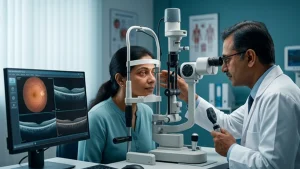
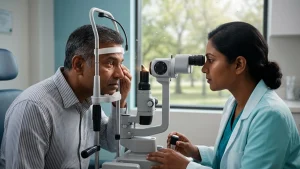
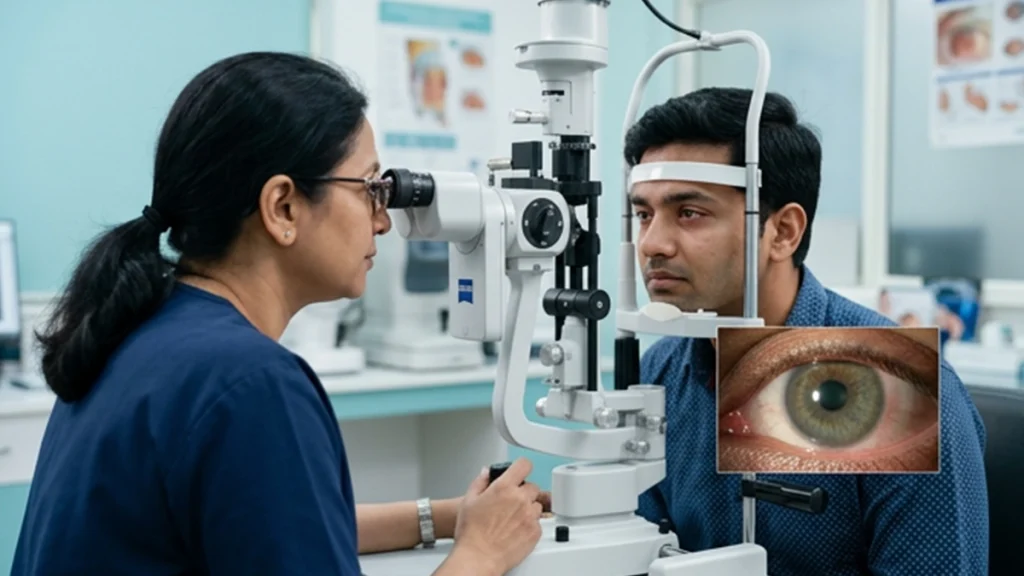
An ophthalmologist which is what you would see for anterior uveitis will get a detailed history out of you and do a full eye exam. In the eye exam which is done with a slit lamp we are able to see if there is inflammation of the anterior chamber which is that very front part of the eye. Also the pressure in the eye may be checked. Based on the picture your symptoms are painting, which is the story your symptoms are telling as well as what has played out in the past we may run some more tests. This may include blood work or imaging if we think there is a secondary issue like a disease or infection.
| Assessment | Why It May Be Used |
| Slit-lamp examination | Detects inflammation at the front of the eye |
| Eye pressure measurement | Checks for pressure changes and complications |
| Dilated eye examination | Assesses other structures inside the eye |
| Blood tests or imaging | Investigates selected underlying causes |
Anterior Uveitis Treatment
The aim of anterior uveitis treatment is to control inflammation, bring relief from discomfort and at the same time to reduce the risk of complications. We see that treatment usually includes corticosteroid eye drops which are prescribed by an ophthalmologist. Also at times we may see patients given drops that dilate the pupil in order to ease pain and to prevent certain complications.
The exact anterior uveitis treatment is based on the degree of severity and cause. If infection is a factor in the case of the patient’s condition we must address that. In case of recurrent or severe attacks of anterior uveitis we may have to use other medications and also go in for more frequent follow ups. Patients are to use as directed what is prescribed to them. Also they should not discontinue steroid eye drops at will, they must consult their ophthalmologist first.
Conclusion
Anterior uveitis is a condition which causes inflammation at the front of the eye presenting with redness, pain, blurred vision and sensitivity to light. While many cases do well with proper treatment, delay in assessment may increase the risk of complications.
If you have persistent eye pain, redness, light sensitivity, or sudden changes in vision see an ophthalmologist. Timely exams can determine the cause of uveitis eye, guide treatment and also help protect your long term vision.
FAQs About Anterior Uveitis
- What are the first symptoms of anterior uveitis?
Common uveitis symptoms present with red eyes, aching pain, blurred vision and light sensitivity. Symptoms may appear suddenly so any new pain or reduced vision should be seen by a health care professional right away.
- Is anterior uveitis serious?
Anterior uveitis usually does well with treatment. But in some cases uncontrolled or recurring inflammation may lead to problems like cataract, glaucoma or visual issues.
- What causes uveitis in the eye?
Possible uveitis causes include immune mediated diseases, infections and eye injuries. In some people we see that a clear cause is not identified.
- What is the difference between anterior and intermediate uveitis?
Anterior uveitis which also is known to be called as iritis affects the iris and front of the eye. In intermediate uveitis which is also referred to as pars plana uveitis the affected area is the middle of the eye in particular the vitreous and also we see symptoms like floaters and blurred vision.
- Can anterior uveitis come back?
Yes. Anterior uveitis can recur in some people. Regular follow-up becomes especially important when episodes repeat or an underlying inflammatory disease is present.