
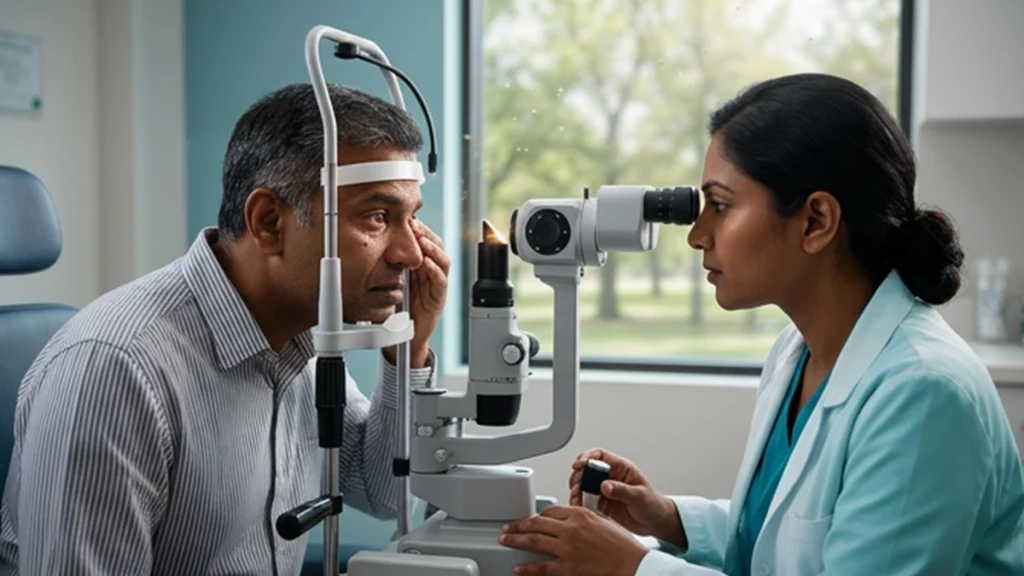
Season in change brings out sneezing, a runny nose and congestion. As it turns out allergies do not confine to just the nose. They also go after the eyes which see redness, itchiness, tearing, and swelling. These are what is known as Eye Allergies or allergic conjunctivitis.
According to the U.S. National Eye Institute, pollen allergies may irritate the eyes, leading to allergic conjunctivitis. The reaction can leave them red, itchy, and watery. Knowing what causes Eye Allergies may help you manage symptoms and recognize when it is time to consult an Eye Doctor.
What Are Eye Allergies?
Eye allergies occur when your immune system has a reaction to what is usually an innocuous substance. Common triggers are pollen, dust mites, mold, animal dander, cosmetics and at time contact lenses or lens solutions. The CDC reports these among the common causes of allergic conjunctivitis.
When exposure to an allergen happens in the eye the body responds by releasing histamine. This causes inflammation and swelling of the conjunctiva. As a result Allergy Eyes may present as watery, puffy, uncomfortable, and sensitive.
For a lot of people Itchy Eyes are the most reportable symptom. Also we see that Red Eyes,which persists in some, is an issue which tends to happen during high pollen counts.
Common Symptoms of Eye Allergies
Symptoms of Eye Allergies usually present in both eyes and at the onset may be very soon after exposure to an allergen. Also from MedlinePlus we learn that allergic conjunctivitis may cause very intense itching or burning, swollen eyelids, tearing, redness, and stringy discharge.
| Symptom | What You May Notice |
| Itchy Eyes | Strong urge to rub or scratch the eyes |
| Red Eyes | Visible redness across the white of the eye |
| Watery eyes | Increased tear production |
| Swollen eyelids | Puffiness around one or both eyes |
| Burning sensation | Mild stinging or irritation |
| Allergy Eyes | Itching, watering and redness together |
Repetitive rubbing only makes Itchy Eyes worse. Also it will increase irritation. Instead try to determine what is causing your Eye Allergies.
What Triggers Eye Allergies?
Pollen is a large seasonal issue. As for other triggers which may aggravate Eye Allergies. We have dust mites, pet dander, mold, smoke, cosmetics, and environmental irritants.
The CDC reports that pollen exposure is a trigger for allergic conjunctivitis which in turn causes red, watery, or Itchy Eyes. Also people with seasonal allergies report that their Allergy Eyes worsen in certain months or after being out in the world.
Indoor allergens present all year round. For instance Dust and pet dander which may cause Red Eyes and irritation to persist as pollen levels drop.
Eye Allergies vs Eye Infection
Not at all does every case of Red Eyes result from an allergy. We see that viral or bacterial conjunctivitis present with very much the same signs. At the same time allergic conjunctivitis is not contagious, but viral and bacterial forms do spread between people.
| Feature | Eye Allergies | Eye Infection |
| Severe itching | Common | Less typical |
| Red Eyes | Common | Common |
| Watery discharge | Common | May occur |
| Thick discharge | Uncommon | More likely with bacterial infection |
| Contagious | No | Some infections are contagious |
| Allergy history | Often present | Not necessary |
If you don’t know what is causing your symptoms, an Eye Doctor can do an exam of your eyes and put you on the right care.
How Are Eye Allergies Treated?
Managing Eye Allergies usually starts out with reducing your exposure to what you know will set them off. Stay away from pollen, dust, mold, or pet dander to which you are allergic in an attempt to decrease the frequency of Allergy Eyes attacks.
A cool compress will give you short term relief for Itchy Eyes and swelling. Also put in use artificial tears which do the job of washing allergens from the eye surface and at the same time ease irritation. The National Eye Institute reports that artificial tears and cold compresses are great for relief in mild cases of conjunctivitis.
Antihistamines and other allergy eye drops may help some patients with Eye Allergies. But if symptoms persist they should be evaluated by a professional. An Eye Doctor can determine if the issue is due to allergies, dry eye, infection or some other condition.
Avoid the use of steroid eye drops without medical supervision. At MedlinePlus we recommend you see an ophthalmologist before using steroid eye drops as they may have to check your eye pressure and the health of your eye surface.
Can You Prevent Eye Allergies?
You will not be able to avoid all Eye Allergies, attacks but you can reduce their frequency. Keep windows shut on high pollen days and wash your face upon returning inside from the great outdoors. Also keep indoor areas clean which in turn will reduce dust and other triggers.
Try to avoid rubbingItchy Eyes, which may seem at times like a very hard thing to do. If contact lenses seem to make your Allergy Eyes better do talk to your Eye Doctor in regards to contact use during allergy attacks.
Persistent Red Eyes are not necessarily due to an allergy. Other eye conditions may present in a similar way and may require different treatment.
Conclusion
Eye Allergies can present with very uncomfortable symptoms daily, which include Itchy Eyes, watering, swelling, or Red Eyes that persist. We see that what triggers them is to identify and by avoiding them you can get great relief. For mild cases of Allergy Eyes simple at home remedies may work but for recurring or severe symptoms a proper evaluation is needed. An experienced Eye Doctor is the person to see in order to determine the cause of your issue and also to rule out an infection or any other eye condition.
Frequently Asked Questions
1. Can allergies really cause red and itchy eyes?
Yes. Eye Allergies also present with Red Eyes, watery eyes and itchy eyes upon exposure to allergens like pollen, dust, mold or animal dander.
2. Why do my eyes itch during allergy season?
Your immune system responds to allergens which in turn releases histamine. This response can cause inflammation of the eye surface and present with Itchy Eyes.
3. Are allergy eyes contagious?
Your immune system responds to allergens which in turn releases histamine. This response can cause inflammation of the eye surface and present with Itchy Eyes.
4. When should I see an eye doctor?
Consult an Eye Doctor if symptoms persist, become severe, affect vision, or cause great pain. The National Eye Institute also says to seek care for symptoms like very red eyes, pain, blurred vision, or increased light sensitivity.
5. Can eye drops help with allergies?
Certain artificial tears and allergy eye drops may be used to treat Eye Allergies. What works best will depend on the cause and the extent of your symptoms see a health professional if problems persist.