
A red, puffy, watery eye may present as a typical case of an eye infection at first. But when symptoms persist or vision begins to blur the issue may be with the cornea. A fungal eye infection of the cornea is what we term as fungal keratitis or keratomycosis. It requires prompt medical care because delay may cause corneal damage and vision loss.
People at times report having a case of fungus in eye or eye fungus. Which is a misnomer. What they may in fact have is a different issue. An ophthalmologist is required to do an exam which will determine the cause of the issue and what is the best
What Is Fungal Keratitis?
Fungal keratitis is a type of corneal infection which results from fungal infection of the eye’s clear front the cornea. Reports to that effect come from the U.S. Centers for Disease Control and Prevention (CDC) which note that species of fungi like Fusarium, Aspergillus and Candida are known to cause this.
A fungal eye infection may occur as a result of fungi entering injured corneal tissue. In some patients the infection will develop into a fungal corneal ulcer. The ulcer may affect vision if it’s in the deeper or central areas of the cornea.
| Condition | What It Means | Possible Effect |
| Fungal keratitis | Fungal infection of the cornea | Pain, redness and blurred vision |
| Fungal corneal ulcer | Open corneal sore associated with infection | Corneal scarring and reduced vision |
| Keratomycosis | Another medical term for fungal infection of the cornea | Requires ophthalmic assessment |
| Fungal infection around eyes | Fungal involvement of skin near the eye | Different from corneal infection |
What Causes a Fungal Eye Infection?
Eye trauma is a significant issue in the development of fungal eye infection, which in turn is true when the injury is of a plant origin. A small scratch from a branch, thorn, crop or any other type of organic material may allow fungi to enter the cornea.
The CDC also reports that contact lens use, eye surgery, chronic diseases which affect the eye surface and weak immune systems are at high risk. Also poor contact lens care plays a role in the cause of microbial keratitis.
A fungal infection around eyes area does not automatically present as a case of fungal keratitis. That which affects the periocular skin and that of the cornea is a matter of different tissues that may also require different treatments.
Fungal Eye Infection Symptoms
Common fungal eye infection symptoms are redness in the eye, pain, blurred vision, lots of tears and unusual discharge and light sensitivity. Also some people feel like there’s a foreign body in their eye.
These symptoms may present as those of a bacterial or any other eye infection which is why you can’t rely on symptoms to identify eye fungus. Persistent pain, redness which gets worse, or changes in vision should be evaluated by an ophthalmologist right away.
| Symptom | Why It Needs Attention |
| Eye redness | May indicate corneal inflammation or infection |
| Eye pain | Can increase as the infection progresses |
| Blurred vision | May suggest corneal involvement |
| Light sensitivity | Common with corneal inflammation |
| Tearing or discharge | Can occur with a fungal eye infection |
How Is Fungal Keratitis Diagnosed?
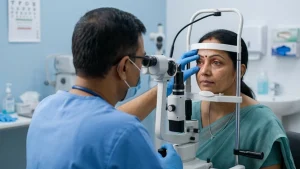
An ophthalmologist will first do a close look at the cornea. If a case of fungal eye infection is present the doctor may take a small corneal scraping or some other sample in for laboratory analysis.
Microscopy and fungal culture may help identify the organism. In some situations, the CDC notes, polymerase chain reaction and confocal microscopy may also assist with diagnosis.
Early diagnosis matters because the symptoms of a fungal corneal ulcer can look like those of other infectious keratitis. Without a proper diagnosis, beginning the wrong medication may delay effective treatment.
Fungal Eye Infection Treatment
Fungal eye infection treatment based on the type of fungus present, site of infection and its degree. Doctors may order antifungal eye drops. Also in some cases we may see oral or injected antifungal medications.
The ophthalmologist will determine the exact fungal keratitis treatment . Also treatment may stretch out for a while which is why it is important that patients take all medications as prescribed and come in for follow up.
For in severe cases of fungal corneal ulcer, treatment may have to intensify. When medicine fails to control the infection we may turn to surgery. In late stages of the disease fungal corneal ulcer treatment may include a corneal transplant.
Patients should not go ahead and use steroid eye drops if they think they have a fungal eye infection. Steroids may in fact cause the infection to get worse. An ophthalmologist is the one that should determine if they play a role in treatment.
Can Fungal Keratitis Be Prevented?
In many cases you may reduce your risk by wearing protection for your eyes while farming, gardening or in other fields of work which include exposure to plants and soil. It is especially recommended that you wear proper protective eyewear at times when there is a risk of eye injury.
Contact wearers should before handling their lenses wash and dry their hands out and also follow the care and replacement that is recommended. Should you notice unusual redness, pain or blurred vision remove the lenses and see an eye doctor.
Any person that presents symptoms after an eye injury should not try self treatment. Early assessment is a big help when it comes to a fungus in eye.
Conclusion
A fungal eye infection is a medical emergency which requires specialist care. Ignore persistent redness, pain, light sensitivity or blurred vision which present after an injury that included soil or plant material. Early diagnosis of keratomycosis or a fungal corneal ulcer is key for doctors to begin proper treatment before extensive corneal damage occurs.
If you have signs of fungal keratitis go to ASG Eye Hospital for a thorough eye exam instead of trying home remedies or self treatment.
Frequently Asked Questions
1. Is fungal keratitis serious?
Yes. Fungal keratitis will cause cornea injury if treatment is delayed. In severe cases this may result in scarring, vision loss and also may need corneal surgery.
2. What are the main fungal eye infection symptoms?
Common fungal eye infection symptoms are eye redness and pain, blurred vision, light sensitivity, excessive tearing, and discharge.
3. How does fungus enter the eye?
A fungal eye infection may also follow the injury to the eye, for instance in cases of plant material injury. Also at risk are contact lens wearers, those that have had eye procedures done and people with some health conditions.
4. Can a fungal corneal ulcer heal?
Yes, many cases do better with proper fungal corneal ulcer treatment. But recovery also depends on the type of organism, the severity of the infection, the depth of the infection and how soon treatment is started.
5. What is the usual fungal keratitis treatment?
Fungal keratitis treatment with prescribed antifungal medication. In cases of severe infection which do not respond to drugs we may require surgery.
6. Can I treat eye fungus at home?
No. Suspected eye fungus calls for professional evaluation as many eye diseases present with similar signs. Use of the wrong eye drops may delay appropriate fungal eye infection treatment.