Growing age changes the eyes and what we see in them; cataracts are a common issue as we get older. A cataract is what happens when the usually clear lens of the eye becomes cloudy. This may make it hard to read, to drive, to tell faces apart, or to see in poor light. While age related cataracts may not be prevented in all cases, there are some cataract prevention practices which may reduce your risk and support overall eye health. For older adults, senior eye care should combine regular eye checks with healthy daily choices.
There is no surefire way to prevent cataracts fully. Age and genetics are out of the question. As for smoking, diabetes, ultraviolet exposure, and eye injury those are risk factors you can do something about. What we do see is that a strong approach to cataract prevention which doesn’t rely on unsubstantiated claims does matter. What we put forth is a practical approach to cataract prevention which is focused on reducing what you can avoid and at the same time support healthy aging vision.
Why Cataracts Become More Common With Age
The eye’s lens focuses light. With age, its proteins and fibres can change, and cloudy areas may gradually form.
Age is the greatest risk factor which we see but also put into play is smoking, diabetes, overexposure to sun, eye injury, and certain medications. Senior eye care looks at the full health picture. We put in place a sensible cataract prevention plan which in turn reduces what is changeable and we watch for changes in vision.
The U.S. National Eye Institute recommends sun protection, quitting smoking, healthy food choices, and regular eye examinations. You can read the government guidance here: National Eye Institute – Cataracts.
Protect Your Eyes From UV Radiation
Long term exposure to ultraviolet light affects the eyes. For seniors it is recommended to wear sunglasses which block out 99 to 100% of UVA and UVB radiation. Also a brimmed hat for shade.This is a practical cataract prevention habit.
| Everyday situation | Practical protection |
| Walking outdoors | Wear UV-blocking sunglasses and a brimmed hat |
| Daytime driving | Use UV-protective sunglasses that preserve safe visibility |
| Gardening or repairs | Combine UV protection with suitable safety eyewear |
| Bright cloudy days | Continue using UV-protective sunglasses |
For more government guidance, see CDC – Preventing Vision Loss. Sun protection cannot guarantee that you prevent cataracts, but it reduces an avoidable exposure.
Avoid Smoking
Smoking is associated with cataracts and other eye diseases. Quitting improves general health and also cataract prevention. The CDC also reports that smoking causes cataracts. If you don’t smoke, keep it that way which is a great way to reduce your cataract risk from this modifiable factor. Also it supports healthy aging vision.
Manage Diabetes Carefully
Diabetes is a factor which increases risk of cataracts and other eye problems. It is advised that people with diabetes follow your health care team’s treatment plan and monitor key health measures. For senior diabetics good control is a part of senior eye care and cataract prevention. The CDC reports that regular eye exams play a role in early detection of diabetes related eye problems.
Do not switch out your diabetes medications for anything else to prevent cataracts. Work with your doctor to safely manage your diabetes. This coordinated care also supports healthy aging vision and improves senior eye care.
Eat a Balanced Diet
A healthy diet is key to good eye health. From fruits and veggies to whole grains, pulses, nuts and other nutrient dense foods they all play a role. No single food is going to prevent a cataract. For cataract prevention what you put in your body over the long term is what really counts instead of that one super food claim. The National Eye Institute recommends we include eye healthy foods as part of a overall eye health plan. Also this is a way to support healthy aging vision.
Have Regular Eye Examinations
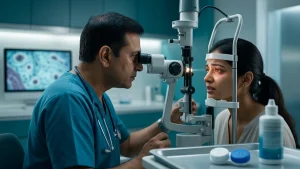
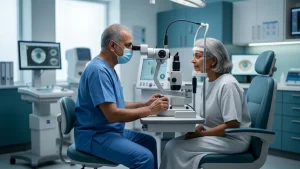
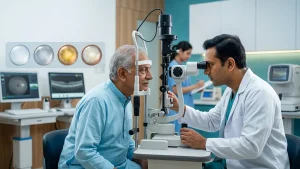
Many eye diseases progress slowly. Blurry vision may be what you expect from age but in fact cataracts, glaucoma, diabetic eye disease and retinal issues also cause it. At the core of senior eye care is the regular exam. While these exams don’t in and of themselves prevent cataracts they do catch lens changes and other issues at an early stage. At that point an ophthalmologist will determine whether it is a matter of new glasses, close watch, or treatment which is required.
Protect the Eyes From Injury
Eye injuries play a role in the development of cataracts. Seniors which garden, do home repairs, or work with tools should wear appropriate protective eyewear. This aspect of cataract prevention is often neglected. By preventing trauma we protect the natural lens and other eye structures. Also this is a simple step in senior eye care.
Review Medicines With Your Doctor
Long term use of corticosteroids may cause cataracts in some people. Always consult your health care provider before stopping any prescribed medication. Do not alter your dose of prescribed drugs in an attempt to prevent cataracts. Any changes to your treatment should be at the direction of the doctor managing your care.
Know the Early Signs
Cataracts usually develop slowly. Symptoms may present as blurred vision, glare at night, halos around lights, poor night vision, desaturated colors, or the need for more light while reading. Identifying these symptoms which in turn support healthy aging vision of the eyes by which point of diagnosis is earlier. Also good senior eye care is a lot more than just trying to prevent cataracts. It includes early detection of cataracts and what we do to preserve daily independence.
| Vision change | Why an eye examination may help |
| Increasing blur | Checks whether cataract or another condition affects clarity |
| More headlight glare | Assesses lens clouding and other possible causes |
| Poorer night vision | Identifies cataract or another contributing problem |
| Colours look dull | Evaluates changes in the lens and overall eye health |
| Frequent spectacle changes | Checks whether lens changes affect prescription |
Everyday Habits for Aging Eyes
Good health, safe physical activity, balanced diet, and chronic disease management support in all aspects of well being. Also they form the base for a healthy aging vision which in turn does support other cataract prevention methods. Senior eye care goal is to achieve comfortable and functional vision through prevention, early diagnosis, and timely treatment.
When Should Seniors See an Eye Doctor?
Arrange an appointment for an eye exam if you notice persistent blurry vision, increasing glare, difficulty with night driving, faded colors, or that you are having to change your glasses often. Cataracts may present with these symptoms but so can other conditions. Sudden vision loss, flashes of light, a sudden increase in floaters, severe pain, or marked redness require prompt medical care. An ophthalmologist is able to assess the health of the lens and the rest of the eye. Regular eye assessment supports senior eye care and healthy aging vision.
Conclusion
Age related cataracts are very common which means cataract prevention focus should be on what we can do to reduce risk. Wear proper UV protection, don’t smoke, control diabetes, eat healthily, protect your eyes from injury, and have regular eye exams.
These practices improve senior eye care which in turn supports healthy aging vision as we get older. If vision is impaired or glare is a problem see a health care professional for an eye exam. The goal is to promote practical measures of cataract prevention and to make informed choices that may in fact prevent cataracts.
Frequently Asked Questions
1. Can cataracts be completely prevented?
No cure exists which will for sure prevent cataracts as this is a large role played by age and genetics. But we can do what is in our control to lower risk of cataract development through measures like UV protection, avoidance of smoking, management of diabetes, and regular eye exams.
2. What is the best cataract prevention habit for seniors?
There is not a single health habit that stands out as the best. What we see is that for the best results in cataract prevention there is a multi factorial approach of UV protection, giving up tobacco, managing chronic diseases, eating a balanced diet, and in fact having a regular eye exam. Together these health choices support healthy aging vision.
3. Can sunglasses prevent cataracts?
Sunglasses do not guarantee prevent cataracts. But we do have that which is able to block up to 100% of UVA and UVB which in turn helps protect the eyes from ultraviolet exposure as well as support senior eye care.
4. Does diet help prevent cataracts?
A healthy diet is key to eye health although which food we eat can’t guarantee to prevent cataracts. Include lots of nutrient rich foods as part of a well rounded cataract prevention strategy. Don’t use unproven supplements in place of medical advice.
5. How often should seniors have an eye examination?
At what interval to do the exam is based on age, eye health, diabetes, what medications you are on, and past results. An ophthalmologist may put together a schedule. It is important for senior eye care that you have regular exams because many eye conditions develop slowly.
6. Can diabetes increase cataract risk?
Yes. Diabetes has an increased association with cataracts and other eye issues. Good diabetes care and regular eye exams support healthy aging vision and also play a key role in cataract prevention.