Red, itchy, or irritated eyelids which in turn may cause simple daily activities to become uncomfortable. You may see flakes by the eyelashes, burning of the eyes, excessive tearing, or a sanding/gritty sensation. These symptoms are typical of blepharitis which is a very common issue of the eyelid margins.
Although it may become a long term issue, we have effective treatments for blepharitis treatment which in turn will reduce your symptoms and the frequency of breakouts. Also very much into long term care is proper eyelid hygiene. By being aware of the common blepharitis symptoms and the causes of eyelid inflammation you may catch the issue early and get appropriate eye care at that time.
The National Eye Institute, an arm of the U.S. National Institutes of Health reports that blepharitis usually causes red, itchy, burning, or crusted eyelids. Also they put forth that regular eyelid cleaning and warm compresses are key in management.
What Is Blepharitis?
Blepharitis is a condition which causes inflammation at the edge of the eyelids, usually near the eyelashes. It may affect one or both eyes although the lids of both eyes are very often affected. The condition may come up when there is an increase in the bacteria around the lashes, or if the small oil glands in the eyelids get blocked.
This early eyelid inflammation may be mild. Also it is known to recur when the base issue isn’t resolved. In blepharitis treatment we focus on redness relief at the same time which at also includes what causes these breakouts.
Doctors usually report that blepharitis is either of two types. Anterior blepharitis which affects the external eyelid edge near the eyelashes. Posterior blepharitis which affects the internal eyelid margin and the meibomian oil glands.
Regular eyelid hygiene does play a role in both forms of the issue but at the same time if symptoms persist medical care may be required.
Common Blepharitis Symptoms
Blepharitis presentation is very individual. Some may only see mild irritation. In others there is persistent redness which in turn causes daily life to be affected.
Typical blepharitis symptoms are itchy eyelids, burning, redness, swelling, crusting around the eyelashes, watery eyes, dryness, and a gritty feeling. Also some people may note that their eyelid inflammation stick together upon awakening
These blepharitis symptoms may come and go which at times may improve only to return. Also may see repeat episodes of eyelid inflammation which in turn may cause the eyes to be more sensitive to light or may cause discomfort while wearing contact lenses.
| Sign or Symptom | What You May Notice |
| Red or swollen eyelids | Puffiness or redness around the lash line |
| Crusting | Flakes or deposits around the eyelashes |
| Burning or itching | Irritation that may become worse during the day |
| Watery or dry eyes | Changes in the normal tear film |
| Gritty sensation | Feeling as though sand or dust is inside the eye |
| Light sensitivity | Discomfort when looking at bright light |
Not all present with the same symptoms. If you have blepharitis symptoms which don’t go away despite thorough eyelid hygiene, an eye exam will help to determine the cause and also will guide blepharitis treatment.
What Causes Blepharitis?
In some cases there are many causes of blepharitis. We know that bacteria which are present normally on the skin also live around the eyes. There is a report of over time this balance may become disrupted which in turn irritates the eyelid margins.
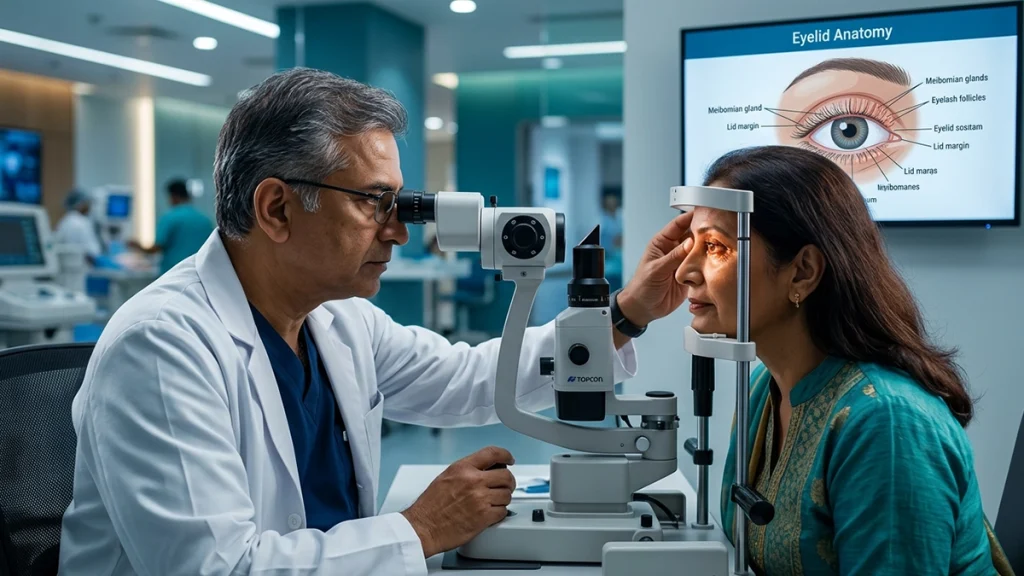
Blocked and dysfunctional meibomian glands also play a role in causing eyelid inflammation.These small glands which release oil into the tear film at times produce thick oil and may also become clogged. When this happens the eyelid margins may in turn become irritated.
Skin issues also play a role. We see that dandruff, seborrhoeic dermatitis and rosacea may present at the same time as blepharitis. Also at times allergies or sensitivity to certain cosmetic products may aggravate symptoms.
Because there is great variability in the blepharitis symptoms, between different diseases which present it, what is the best blepharitis treatment is determined by the cause of the disease not by the symptoms which present.
Anterior vs Posterior Blepharitis
Understanding which part of the eyelid is affected can help doctors decide how to manage the condition.
| Type | Area Affected | Common Features | Usual Management Approach |
| Anterior blepharitis | Front eyelid edge near eyelashes | Flaking, crusting, itching and redness | Cleaning the lash line and medical treatment when required |
| Posterior blepharitis | Inner eyelid margin and oil glands | Blocked glands, dry-eye feeling and irritation | Warm compresses, gland care and regular cleaning |
Both at the same time it is not uncommon for which a personal blepharitis treatment plan to include more than one treatment approach. Of primary importance is consistent eyelid hygiene which we must stress again as the condition tends to return.
How Is Blepharitis Diagnosed?
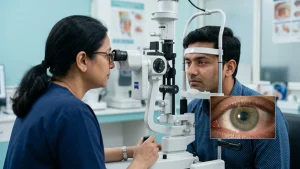
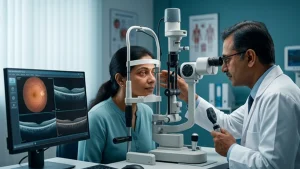
An ophthalmologist usually diagnoses blepharitis by evaluating the eyelids, eyelashes, tear film, and also the area around the eye. The doctor may also note redness, crusting, blocked oil glands, or other signs of eyelid inflammation.
Your doctor may also ask what time the blepharitis symptoms began and if they are very recurrent. Information on contact lens wear, skin issues, eye make up use, allergies, and past eye problems can give us clues.
An exact diagnosis is important as many eye conditions present with the same symptoms. The exam also helps the doctor to choose which blepharitis treatment will work best in each case instead of patients trying to self treat.
Blepharitis Treatment Options
For a large number of individuals regular eyelid cleaning is the basis of blepharitis treatment.Warm compresses also play a role by breaking up crusted material and thick oil at the edge of the eyelid. Gently cleaning the area can in turn clean out the material at the base of the lashes.
The U.S. government health resource MedlinePlus also identifies warm compresses and gentle cleaning along the eyelid edge as commonly used ways to care for blepharitis.
However for blepharitis treatment to be effective it must address the issue at hand and the degree of the problem. A medical professional may prescribe antibiotics in the form of ointment or drops in case of bacterial involvement. Also in some cases doctors may use anti inflammatory medicines for a short term.
People who are blocked by meibomian glands may require more in depth treatment to improve oil flow. Also those with dry eyes may in addition require separate care.
Medications should be a supplement to a routine of good eyelid hygiene which your ophthalmologist says is ok to do. In the long run it is in your best interest to continue care of the eyelids once the irritation has improved.
Why Eyelid Hygiene Matters
Consistent care of the eyelid hygiene may include the removal of crusted material, extra oil, and debris from around the eyelashes. Also it can help prevent outbreaks of eyelid inflammation.
For a great number of patients we begin with a comfortably warm compress which is placed over the closed eyes. The heat may break up material at the base of the lashes and also soften thickened oils within the eyelid hygiene.
After that, apply the method which is put forth by eye care professionals to clean the lid margins. Also do not resort to aggressive rubs as they may in fact worsen eyelid inflammation which in turn may cause more issues.
Good eyelid hygiene also includes clean hands and clean supplies. Do not share towels which have been used around the eyes. Out with old eye make up products and in with new, also keep products away from irritated lid margins.
When symptoms present themselves an eye doctor may recommend that you stop using contact lenses or eye make up. These changes will support blepharitis treatment while the eyelids heal.
Can Blepharitis Come Back?
Blepharitis is a condition that is usually chronic in its presentation. Symptoms may go for weeks or months and then come back.
Stopping eyelid hygiene as soon as improvement is seen may cause a build up of debris and oil. For those that experience repeated issues at home, the care regime as prescribed by your health care provider may help in the management of future breakouts.
Recurrent blepharitis symptoms are not a sure sign that treatment is not working. They may be an indication that the base oil gland, bacterial, or skin issue is still present.
A doctor will go over your blepharitis symptoms again and change out the blepharitis treatment as needed. This is especially true when irritation becomes more frequent or intense.
What Happens If Blepharitis Is Left Untreated?
Persistent ocular eyelid inflammation may present beyond issues with the look of the lids. Also it may play a role in dry eye, blocked oil glands, styes, chalazion, or changes to the eyelashes.
Severe and uncontrolled eyelid inflammation at times affects the eye surface. This is the reason that persistent symptoms should be brought to a health care professional’s attention instead of going in for repeat self treatment.
Following the advised blepharitis treatment and practicing regular eyelid hygiene may help reduce these issues.
When Should You See an Eye Doctor?
Occasional mild lid irritation may be resolved with proper care. But if blepharitis symptoms persist, get worse, or come back again you should see an eye care professional.
Seek medical attention early if you have severe eye pain, large amounts of discharge, redness which increases, sensitivity to bright lights, or vision changes. Such signs may indicate another ophthalmic issue that requires medical care.
An eye specialist will be able to tell what is causing your eyelid inflammation. which may be blepharitis or some other condition. The doctor will then put you on the best blepharitis treatment plan which is based on the exam results.
Avoid using antibiotic, steroid, or combination eye drops without medical advice.
Conclusion
Blepharitis is a discomforting issue which at times gets worse with itching, crusting, dryness, or redness which keep coming back. But it is also true that if you recognize the blepharitis symptoms early and pay them attention through proper care you’ll have an easier time managing the condition.
The proper blepharitis treatment is based on what is causing the issue and the severity of lid affectation. Regular eyelid hygiene is a large part of any ongoing care as it helps maintain clean lashes and eyelid margins.
If you are experiencing chronic eyelid inflammation that is affecting your comfort of contact lens wear or your daily activities, we recommend you schedule an eye exam at ASG Eye Hospital. Our eye specialist will do a lid evaluation, determine what is causing the issue and put you on the best blepharitis treatment plan for your particular eye health.
Frequently Asked Questions About Blepharitis
1. Is blepharitis contagious?
Blepharitis at large is not a transmissible condition. That said we see bacteria and debris play a role in causing irritation. We recommend good eyelid hygiene practices and that you do not share eye towels or make up when your lids are in a state of irritation.
2. Can blepharitis be cured permanently?
Blepharitis is a condition which we are able to put in check but for some it does break out again. Thus at times of improvement of blepharitis symptoms regular care still is a must. A very personal blepharitis treatment plan is key to managing repeat issues.
3. How long does blepharitis treatment take?
Recovery from blepharitis is a variable process which depends on the cause and the severity of the condition. In some cases we see improvement in as little as a few days of proper care, in other more persistent cases we see no such resolution without additional management. As I mentioned before, it is important that you continue with the blepharitis treatment plan that was presented to you by your ophthalmologist.
4. Can blepharitis cause dry eyes?
Yes. Problems we see with the eyelid oil glands may also affect the tear film, which in turn can result in dryness and irritation. Also a case of eyelid inflammation. is somewhat common. In some cases to treat dry eye and blepharitis together will be necessary.
5. Can I wear contact lenses if I have blepharitis?
Contact during active blepharitis symptoms. is uncomfortable for many. We may ask you to discontinue use of your lenses until the symptoms pass. Please consult with us before you reinsert your lenses especially while you are in the middle of blepharitis treatment.
6. Does cleaning the eyelids help prevent blepharitis flare-ups?
For many people we see. Good eyelid hygiene which is consistent helps to remove deposits at the lid margin and also promotes cleaner oil gland openings. Your ophthalmologist can go into what is safe for your eyes.