
A painful, red or blurry eye has many causes, but we should not treat sudden vision loss after an operation, injection or injury as a minor issue. Endophthalmitis is serious inflammation within the eyeball which is usually a result of bacterial or fungal infection which has entered the aqueous or vitreous layers. Because of the rapid damage that infection and inflammation can cause to delicate structures it is considered an ophthalmic emergency instead of a condition that which to wait out at home. Also from the United States National Library of Medicine it is described as a serious threat to vision and a situation that requires immediate assessment and treatment.
Recognizing endophthalmitis symptoms early is very important after cataract surgery, glaucoma surgery, a retinal injection or any eye procedure. While eye infection after surgery is rare and most patients do not experience this complication which in fact is the exception, should you see an increase in pain, redness and loss of vision contact the treating hospital right away. Early presentation to the emergency eye care facility gives the ophthalmologist the best chance to intervene at the earliest and thus preserve sight.
What Is Endophthalmitis?
In a healthy eye, entry of microorganisms is avoided in the first place. Into Endophthalmitis falls that case of infection where pathogens get in the inner structures of the eye, which in turn cause intensive inflammatory reactions what does not happen in cases of conjunctivitis, at which the outer membranes are more focused as a site of infection, or of that group of infections affecting the eyelids or cornea. Also a reason that over the counter drops will not work in such a situation is the internal site of issue.
The term we use is broad exogenous or endogenous. For exogenous infection what we see is entry of organisms from the outside in which is common during surgery, through injury which is penetrating in nature or after an intraocular injection. As for endogenous infection it begins in some other part of the body which the organism then uses the blood stream to travel to the eye. The NIH clinical report says that evaluation and treatment should be done at the same time as we notice the symptoms and don’t have to wait for lab reports.
Why Is It an Eye Emergency?
The retina, vitreous and other structures inside the eye have limited tolerance for severe infection and inflammation. Delay may allow microorganisms and inflammatory material to spread, cloud the visual pathway and injure retinal tissue. Advanced infection can lead to retinal detachment, extensive damage, permanent sight loss or, in the most severe situations, loss of the eye. These possibilities explain why urgent ophthalmic care is essential when the condition is suspected.
Do not wait for each and every feature of the textbook to present itself. If you see worsening of vision, growing redness or any atypical discomfort post procedure that is an emergency and requires immediate review. At Moorfields Eye Hospital we also note that in some cases we may take internal fluid samples to determine the cause.
Common Endophthalmitis Symptoms
Typical endophthalmitis symptoms include very quick degeneration of vision, sudden loss in sight, severe eye pain which increases in intensity, redness which goes up, light sensitivity, swollen eyelids, discharge, excessive tearing and new floaters. The front of the eye may present with a cloudiness and a health care professional may note inflammatory material called a hypopyon. Signs may present within days of a procedure which is performed, also delayed cases are seen.
Not all eye infection after surgery are the same. During normal recovery from which procedure it may include mild grittiness, watering or temporary blur which will vary by the type of surgery. But if what you are experiencing is severe, progressive or different from what your surgeon has advised you of, then see us right away. We ask that you use the post op contact info which we have given you instead of waiting for your next routine visit. Also it is appropriate to go to emergency eye care even when in the end the diagnosis is for something else.
| Symptom pattern | Why it matters | Recommended response |
| Sudden or rapidly worsening blurred vision | May indicate inflammation affecting the visual pathway | Contact the operating hospital or an eye emergency service immediately |
| Increasing eye pain with redness | A concerning combination after surgery, injection or injury | Arrange same-day ophthalmic assessment |
| Light sensitivity, lid swelling or discharge | Can accompany significant internal inflammation | Do not self-medicate; obtain urgent examination |
| New floaters, haze or a cloudy-looking pupil | May suggest vitreous involvement or dense inflammation | Seek emergency eye care without waiting for a routine appointment |
| Mild discomfort that is getting worse | The change from expected recovery matters | Report it promptly as a possible eye infection after surgery |
What Causes the Infection?
The primary way in which microorganisms enter is from outside the body. This may happen after cataract surgery, retinal surgery, glaucoma surgery, an injection in the eye or from an injury which breaks the eye’s surface. Health care facilities use antiseptic preparation and sterile equipment to reduce risk, which is true for all but totally non-existent. A case of post op internal infection therefore requires prompt medical evaluation instead of a wait and see approach at home.
Post trauma may result from injury which is caused by metal, glass, wood or plant material. We are concerned when the foreign body is retained or is of an organic nature. Do not apply pressure or rub an affected eye, and seek immediate ophthalmic care as what may seem a minor external injury can mask serious internal damage.
Endogenous infection is less frequent. It happens when bacteria or fungi get into the blood from another part of the body which may include the urinary, abdominal, heart, skin or blood systems. People with diabetes, weak immune systems, long term intravenous lines, recent hospital stay or systemic infection may be at greater risk.In this case of endophthalmitis symptoms which may present without recent eye surgery treatment is for the eye and the systemic infection. The NIH reports that in the setting of endogenous disease this is to be managed as an emergency which includes treatment of the eye and the systemic source
Understanding an Eye Infection After Surgery
Most of the time redness post eye surgery is not from endophthalmitis, it is timing and what happens after which is what is important. An infection may present in the first few post op days or it may develop later based on the microorganism and the type of procedure. Vision may actually improve for a while and then go back to being blurry or the patient’s discomfort may increase, that isn’t atypical. It is the trend that is more telling that exactly where that patient stands compared to another.
When you call the hospital, report the procedure, date, which eye was affected and the change in vision. For safety please arrange for a safe transport if sight is reduced.
How Is It Diagnosed?
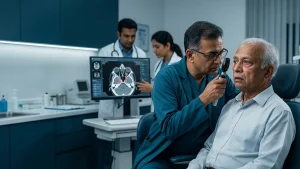
Diagnosis starts with an immediate eye exam which includes assessment of visual acuity, the surgical wound, cornea, anterior chamber, pupil, intra ocular pressure and retina. If inflammation is present which obstructs the view, B scan ultrasonography is used to evaluate the vitreous and to look for retinal detachment. Also at this time we determine if the pain or visual loss is a result of infection or some other cause.
For instance, aqueous or vitreous fluid is taken for microscopy or culture. Blood work may be done when spread into the blood is an issue. Treatment usually starts at the first sign of disease as waiting for results may prove valuable in terms of health which is to be preserved; what follows helps the doctor to fine tune the treatment.
Emergency Treatment Options
Treatment is tailored to the likely cause, the severity, visual acuity, surgical history and retinal findings. In the case of suspected bacterial disease the primary treatment is an injection of anti microbial medicine into the vitreous cavity. This gives the high dose required at the site. For fungi we use appropriate anti fungal medicine. These are very specialized procedures which do not go in the course of leftover ointments or that of self prescribed oral antibiotics.
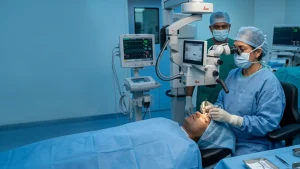
In some serious cases we may recommend a vitrectomy. During the procedure infected or inflamed vitreous material is removed, samples may be taken and the internal cavity treated. We may consider surgery when vision is very poor, there is widespread vitreous involvement, a foreign body is present or the response to first line treatment is poor. Presently the NIH reports that intravitreal antimicrobials are the base of management and that vitrectomy is of value in certain cases.
Also other medications may be used which include for instance pain relief and eye pressure management but their use is at the discretion of what the issue is. In the case of internal causes we also require a body wide approach to treat the infection. Follow up in this situation may be very frequent as the ophthalmologist has to determine if the eye is improving or if a different procedure is called for.
| Treatment approach | Main purpose | What the patient should understand |
| Intraocular fluid sampling | Helps identify bacteria or fungi | Sampling is urgent but should not create avoidable treatment delay |
| Intravitreal antimicrobial injection | Delivers medicine into the infected cavity | The medicine depends on whether bacteria or fungi are suspected |
| Pars plana vitrectomy | Removes infected vitreous and inflammatory material | It may be advised for severe disease or an inadequate response |
| Systemic antimicrobial therapy | Treats a bloodstream or body-wide source | Particularly important in endogenous infection |
| Close retinal monitoring | Detects progression, pressure changes or retinal complications | More than one visit or intervention may be required during emergency eye care |
What Should You Avoid at Home?
A reported case of eye infection after surgery should not be treated with home remedies, borrowed medication, steroid drops without prescription or by waiting it out. Steroids in fact may cause the infection to worsen which is what happens when they are used improperly. Also avoid rubbing the eye, putting pressure on it or trying to clean under the eyelids as this may do harm. Protect the eye from pressure and get to a health care facility that does urgent ophthalmic care.
Some endophthalmitis symptoms are mild and what we see is very personal in terms of pain. We can give phone advice on which care setting is appropriate but it doesn’t take the place of an exam when vision has changed.
Recovery and Visual Outlook
Recovery is a function of when treatment is started, the patient’s health, the extent of inflammation, retinal involvement and the vision status at diagnosis. Some do see improvement in their vision, while others have a permanent loss despite proper treatment. More aggressive forms of the disease or late stage presentation usually do better. Prompt emergency eye care improves the chance to reduce damage, but we cannot guarantee what the results will be.
Follow up will include repeat exams, imaging, further injections or surgery. Use the drops as directed and report in immediately new pain, reduced vision, increasing redness, flashes, floaters or swelling. From my experience recovery from endophthalmitis takes time even after the infection is brought under control.
Can the Risk Be Reduced?
Risk of infection is reduced by way of strict sterile conditions in the OR and anti-septic measures which the clinical team adheres to. As for the patients’ role they play by following up on post op instructions, taking medicine as prescribed, keeping the operated eye away from water, dust, unclean hands, avoid rubbing and to attend all follow up visits. Also in the NHS we note that anti-septic preparation is done prior to intra ocular procedures because internal infection is a very serious issue.
Before leaving the hospital get to know the warning signs and who to contact at off normal hours. Early report of endophthalmitis symptoms related to endophthalmitis allows the team to determine if what you have is a complication of eye infection after surgery. This info can also get you in to see emergency eye care faster when every minute counts.
When Do Endophthalmitis Symptoms Need Immediate Attention?
Any sudden vision loss, increase in pain or quick onset of severe redness is a reason for immediate attention post surgery, injection or eye trauma.
When Should You Contact ASG Eye Hospital?
Contact nearby ASG Eye Hospital or go to another ophthalmic emergency room at once if after surgery, injection or injury you see severe pain, sudden vision loss, redness which is getting worse quickly, light sensitivity which is very marked, swelling, discharge or an unusual haze. Also note that ASG Eye Hospital’s health info notes this internal infection as a medical emergency which requires prompt diagnosis and treatment.
Urgency in assessment to rule out a sight threatening issue. Report on recent procedures, medicines, allergies and systemic illnesses.
Conclusion
Endophthalmitis is rare but it’s very serious because the disease attacks structures necessary for sight. After a surgical procedure do not wait out symptoms like unexpected vision loss, increase in pain, redness, swelling, and cloudiness of the eye. At first eye infection after surgery- don’t wait, that’s when you require emergency eye care.
This article is to serve as patient education material which does not substitute for an ophthalmologist’s evaluation, diagnosis or treatment.
Frequently Asked Questions
1. What are the earliest endophthalmitis symptoms?
Early endophthalmitis symptoms may present as sudden cloudy vision, redness which increases, deep seated discomfort, pain, light sensitivity, or the appearance of new floaters. The pattern is of great concern when it trends to do worse in hours or days post intraocular procedure. Diagnosis is made with an ophthalmic exam which is important because these signs may also present with other conditions.
2. Is every eye infection after surgery this condition?
No.eye infection after surgery may affect the surface, wound or internal eye which also we see with non-infectious inflammation. But should you see reduced vision, severe pain or progressive redness seek emergency eye care in which we can rule out an internal infection
3. Can endophthalmitis be treated with eye drops alone?
Eye drops are usually insufficient in case of an infection within the eye which is confirmed. We see that treatment which includes injection of medication into the eye is required and in some cases we do have to go ahead with a vitrectomy. The ophthalmologist will determine the treatment plan after they have done an exam of the eye and also taken in mind to take samples if it is needed.
4. Can vision return after treatment?
Vision does improve with early recognition and treatment of infection but recovery is a variable issue. The type of organism, extent of retinal damage, severity at presentation and response to treatment all play a role. Going to emergency eye care at the first sign of a problem gives you the best chance at preserving sight though we cannot promise a certain result
5. Can it occur without eye surgery?
Yes. Penetrating injury, intraocular injection and blood borne infection also cause this condition. In the case of sudden visual loss, redness or pain in a person with serious systemic infection an urgent assessment is still warranted which may be outside of a surgical setting.